

A Practical Guide to the 1962-1971 Oldsmobile Cutlass Alternator
Keep your classic Cutlass charging system reliable with the right new aftermarket alternator.
- Decide between a stock-style external regulator alternator or a more reliable, modern internally regulated upgrade.
- If you upgrade to a high-output alternator (over 80 amps), you must also upgrade the main charge wire to a heavier gauge (6 or 8 gauge).
- For stock or mildly modified cars, a 60-100 amp alternator is sufficient; heavily modified cars with modern electronics need 140+ amps.
- Most failures on the original system are due to the external voltage regulator, not the alternator itself.
Is Your Cutlass Alternator Failing?
An alternator problem in a classic car like the 1962-1971 Cutlass often gives clear warning signs. Because these cars have simpler electrical systems, symptoms are usually easy to spot. Ignoring them can leave you stranded.
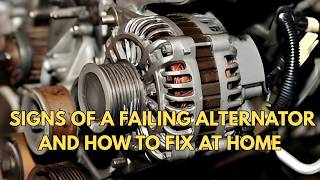
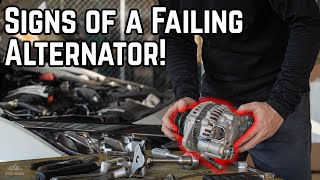
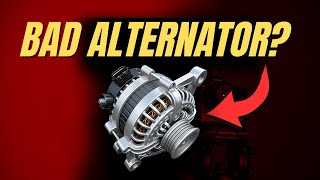
🎬 Watch: A guide to identifying and fixing bad alternator symptoms.- Dim or Flickering Headlights: This is a classic sign. You may notice your headlights get dimmer at idle and brighten up when you rev the engine.
- "GEN" or "ALT" Light: The generator or alternator warning light on your dashboard is a direct signal that the charging system has a problem.
- Dead Battery: If the alternator isn't recharging the battery, you'll eventually find the car won't start without a jump. A new battery that dies quickly points to a bad alternator.
- Whining or Grinding Noises: A high-pitched whine or a grinding sound coming from the alternator usually means the internal bearings are worn out and failing.
- Overcharging: In some cases, a faulty voltage regulator can cause the alternator to produce too much voltage (over 15-16 volts), which can boil the acid in your battery and damage electrical components.
Vehicle-Specific Known Issues
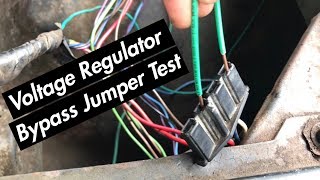
Most 1962-1971 Cutlass models came with an external voltage regulator, a separate box mounted on the firewall that controls the alternator's output. This part is a frequent point of failure and can cause both undercharging and overcharging issues. 🎬 See how to test an external voltage regulator yourself. Some 1971 models built at the Framingham plant had factory wiring issues, where an undersized charge wire and incorrect sensing wire placement caused chronic undercharging and dim lights.
Choosing the Right Aftermarket Alternator
When shopping for a new alternator, the biggest decision is whether to stick with the original design or upgrade to a modern, more reliable unit. Original factory alternators for this era produced between 35 and 63 amps. Many aftermarket options offer significantly more power.
Stock Style vs. Modern Upgrade
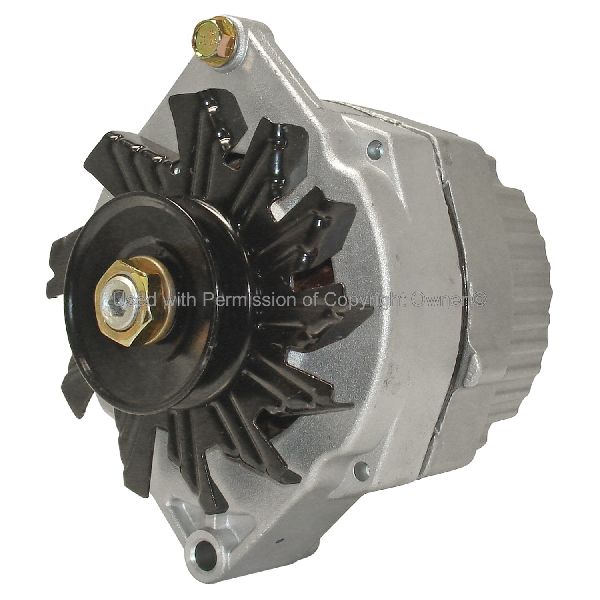
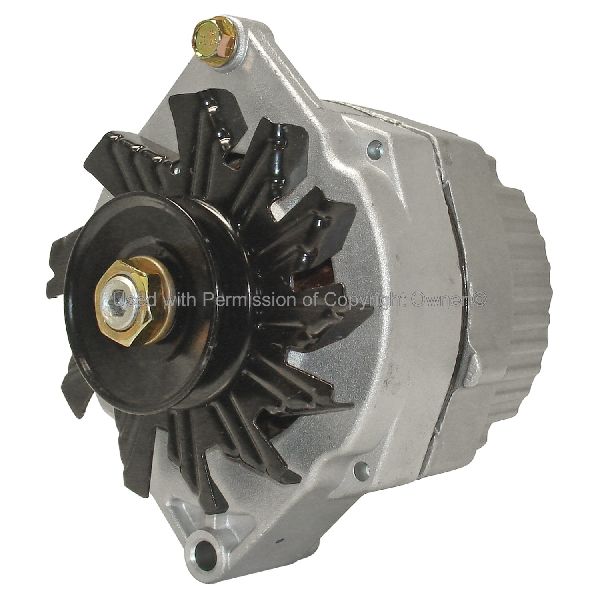
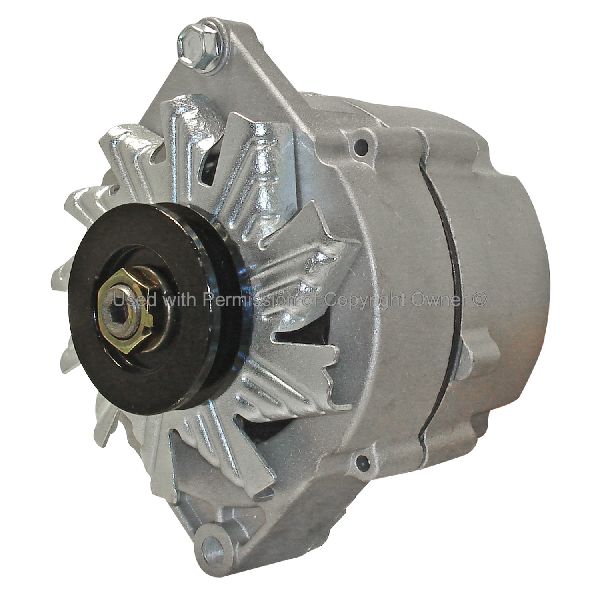
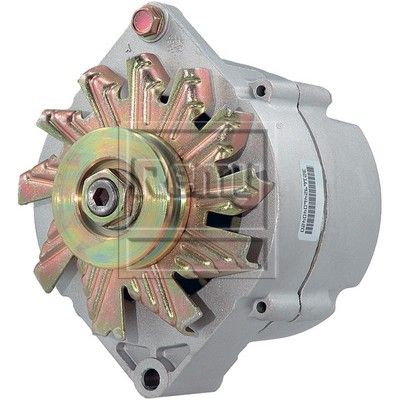
Your main choice is between an externally regulated alternator (like the original Delco 10DN) or a more modern, internally regulated alternator (like a Delco 10SI or 12SI). Most aftermarket units today are internally regulated.
- Externally Regulated: Keeps the car original. Requires you to also have a functioning external voltage regulator. These are less common in the aftermarket.
- Internally Regulated (1-Wire or 3-Wire): This is the most popular upgrade. These alternators have the voltage regulator built-in, which is more reliable. Installation requires you to bypass the old external regulator, which is often done with a simple jumper harness. A "1-wire" alternator simplifies wiring further, only needing the main battery connection to function.
Pro Tip: Upgrade Your Wiring
If you choose an alternator with a higher output than your original (e.g., 100 amps or more), you must upgrade the main charging wire between the alternator and the battery. The stock 10-gauge wire is too small and can overheat, creating a fire risk. A 6-gauge or 8-gauge wire is recommended for most high-output upgrades.
Which Brand Should You Choose?
The brands available offer a range of quality and performance, from basic replacements to high-output units for modified cars.
Tier 1: High-Performance Upgrades
- Powermaster: A top choice for enthusiasts and resto-mods. Powermaster specializes in high-output alternators that often maintain a factory look. They are well-regarded for providing strong charging even at idle and are available in outputs from 95 to over 200 amps. They are a reliable, but premium-priced, option.
Tier 2: Value Performance
- Proform: Often found in chrome finishes, Proform offers high-amp alternators at a budget-friendly price. Quality can be inconsistent; some units work great, while others have been reported to fail early. They are a decent choice for show cars on a budget where appearance is key.
Tier 3: Standard Replacements
- Remy, WAI Global, BBB Industries, MPA: These brands are major suppliers of standard new and remanufactured alternators. Remy is a historic brand, but modern aftermarket quality gets mixed reviews, with some reports of early bearing failure. WAI Global offers new units, but some users have reported receiving multiple defective parts or units that don't meet their advertised amperage. For these brands, buying from a local parts store can be an advantage for easier warranty claims.
| Part Type | Price Range | Notes |
|---|---|---|
| New Aftermarket | $40 - $584 | Wide range from standard replacements to high-output, polished units. |
| Remanufactured Aftermarket | $50 - $200 | A common, cost-effective option. Quality can vary. |
| New OEM (NOS) | N/A | New Old Stock parts are extremely rare and not a practical option. |
Frequently Asked Questions
Do I need a high-amp alternator?
If your Cutlass is mostly stock, a 60-100 amp alternator is plenty. If you have added modern accessories like a powerful stereo, electric cooling fans, electronic fuel injection (EFI), or halogen headlights, you should choose a higher output unit (140+ amps) to handle the extra electrical load.
What is a 1-wire alternator and is it better?
A 1-wire alternator is an internally regulated unit that only needs one wire connected to the battery positive terminal to work. It simplifies wiring, making it a popular choice for custom cars and engine swaps. The trade-off is that some 1-wire units don't start charging until the engine reaches a certain RPM. A 3-wire internally regulated setup is slightly more complex to wire but functions identically to modern OEM systems.
What do I do about the external voltage regulator when I upgrade?
When you install an internally regulated alternator, the old external regulator on the firewall is no longer needed. You must bypass it. Conversion harnesses are available that plug into the old regulator's wiring plug and create jumpers to correctly route the power, making the conversion simple. You can leave the old regulator box in place for a stock appearance.
Is replacing the alternator a DIY job?
Yes, for someone with basic mechanical skills. The job involves disconnecting the battery, loosening the belt tensioner, removing the V-belt, unbolting the old alternator, and then installing the new one. If you are upgrading to an internally regulated unit, you will also need to perform the simple wiring bypass.
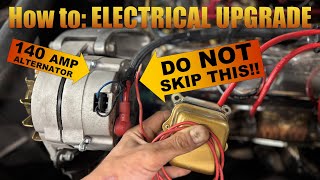
🎬 Watch this step-by-step 1971 Cutlass alternator and wiring upgrade.Helpful Videos
Technical Specifications
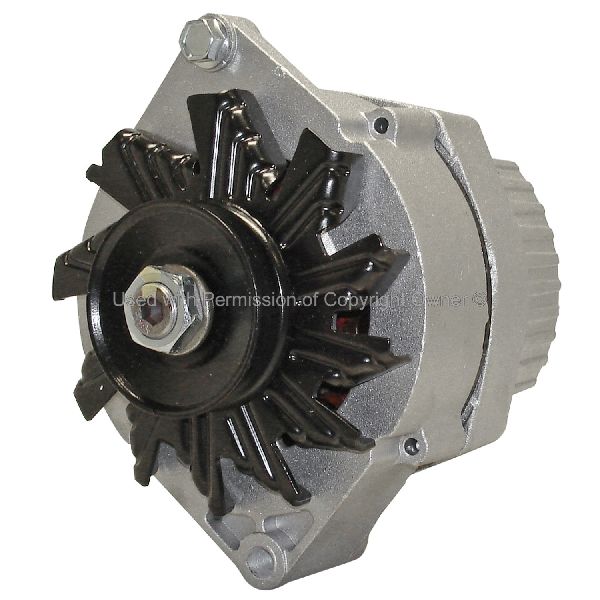
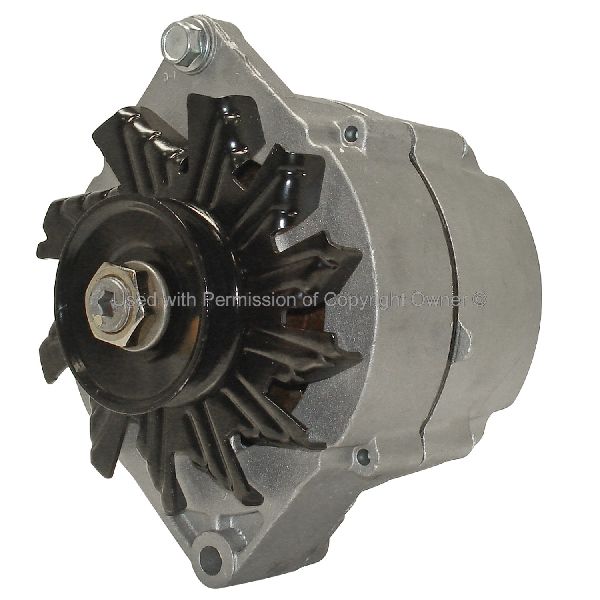
Original Style: Delco 10DN (Externally Regulated) Common Upgrade Style: Delco 10SI, 12SI (Internally Regulated) Pulley Type: Single V-Belt Original Amperage: 35A, 55A, 63A Aftermarket Amperage Range: 60A - 220A
We Have This Part in Stock

The information in this article is provided for general reference and educational purposes only. Vehicle specifications, procedures, and part compatibility can vary by production date, trim level, and region. Always consult your vehicle's factory service manual and verify part numbers before purchasing or performing repairs. Safety-critical components such as airbags, seat belts, and braking systems should be installed by a qualified professional.