

A/C Compressor Guide for the 1963-1969 Ford F-350
Get your classic F-350's air conditioning running cold again by understanding your compressor options.
- Visually identify your existing compressor (e.g., York/Tecumseh style) before ordering, as most 1963-69 F-350s had dealer- or aftermarket-installed A/C.
- Always replace the receiver/drier and flush the A/C system when installing a new compressor to prevent immediate damage and warranty denial.
- Plan on converting your system to R-134a refrigerant if it hasn't been done already, as original R-12 is not available.
- Due to the complexity and need for special tools, professional installation is highly recommended for most owners.
Is Your F-350's A/C Compressor Failing?
For a classic truck like the 1963-1969 F-350, A/C problems are common due to age. The compressor is a mechanical part with internal seals and bearings that wear out. Here are the top signs your compressor may be at the end of its life:
- Warm Air From Vents: If the air isn't getting cold, the compressor may not be building enough pressure to cool the refrigerant.
- Strange Noises: Grinding, squealing, or rattling sounds that start when you turn on the A/C point to failing internal parts like bearings or the clutch.
- Visible Leaks: The compressor has seals that can leak refrigerant and oil over time. You might see an oily, grimy buildup on the compressor body.
- Clutch Not Engaging: The compressor's clutch is an electromagnet that, when activated, connects the compressor's pulley to its internal pump. You should hear a 'click' when you turn on the A/C and see the outer plate of the pulley start spinning. If it doesn't engage, the clutch or the compressor might be bad.
Factory, Dealer, or Aftermarket A/C?
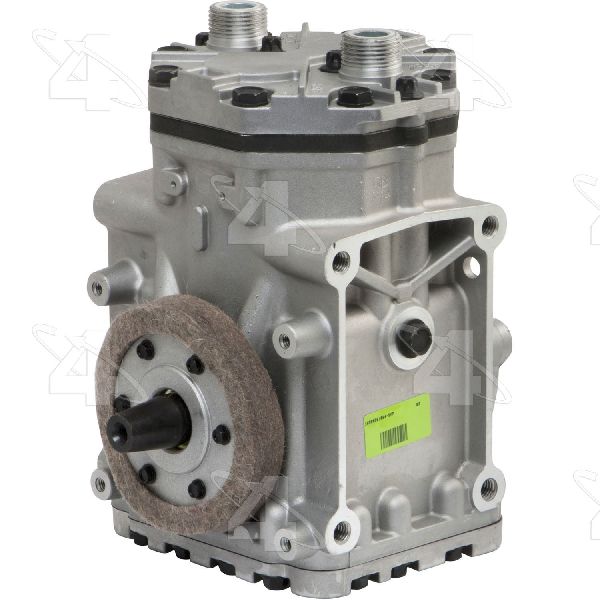
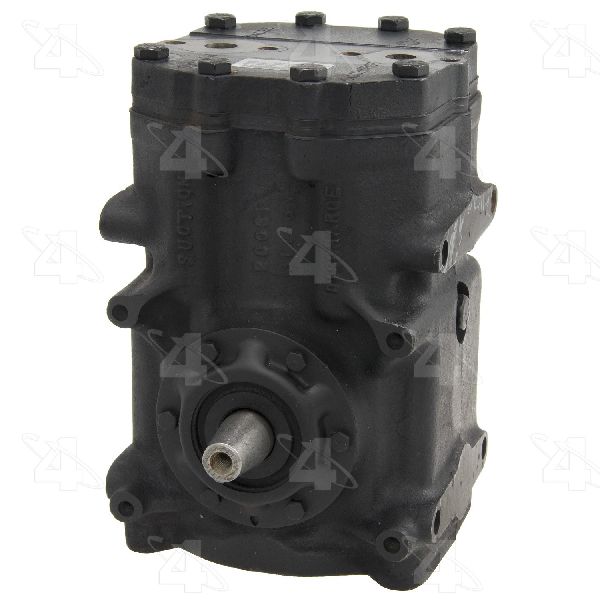
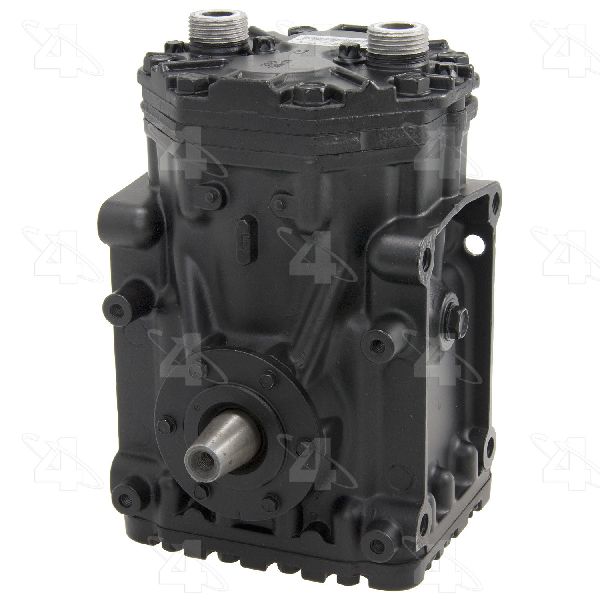
Most trucks from this era did not come with factory-installed air conditioning. Many systems were installed by the dealer or added later using aftermarket kits. These systems often used large, piston-style compressors like those made by York or Tecumseh. It is critical to visually inspect the compressor currently on your truck to ensure you order the correct replacement. There is no single 'one-size-fits-all' part for this generation.
Choosing the Right Aftermarket Compressor
For a 1963-1969 F-350, finding a brand-new OEM (Original Equipment Manufacturer) compressor is nearly impossible. The market consists almost entirely of aftermarket parts.
- New Aftermarket: Brands like Four Seasons produce new compressors designed to fit and function like the original units. These are built with all-new components and are a reliable choice for getting your vintage A/C system running.
- Remanufactured: A remanufactured compressor is an original unit that has been disassembled, cleaned, and rebuilt with new seals, bearings, and other wear items. Four Seasons is a major remanufacturer of classic compressors. These can be a good value, but quality can sometimes be inconsistent.
About the Four Seasons Brand
Four Seasons is one of the largest and most well-known aftermarket A/C parts suppliers. They offer both new and remanufactured compressors. Reviews are often mixed, which is common for aftermarket parts. Some users report parts failing prematurely, while others have had them last for many years. Success often depends on proper installation, including flushing the entire A/C system of debris and replacing the receiver/drier, to avoid damaging the new compressor.
Pro Tip: Replace More Than Just the Compressor
When a compressor fails, it can send metal debris throughout the A/C system. To ensure your new compressor lasts, you must flush the system and always replace the receiver/drier (or accumulator) at the same time. Failing to do so can cause your new compressor to fail quickly and will often void the warranty.
Estimated Replacement Costs
The cost to replace an A/C compressor in a classic truck can vary. The biggest factors are the price of the part and the shop's labor rate. Because these trucks had different A/C systems, finding the exact parts can sometimes take more time.
| Part Type | Estimated Cost |
|---|---|
| New Aftermarket Compressor | $217 - $356 |
| Remanufactured Compressor | $150 - $300 |
| Shop Labor & System Recharge | $250 - $550 |
| Total Estimated Job Cost | $467 - $906 |
Frequently Asked Questions
Do I need to convert my system from R-12 to R-134a?
Original A/C systems in the 1960s used R-12 refrigerant, which is no longer available to the public. Most replacement compressors today are designed for use with modern R-134a refrigerant. If your system has not already been converted, you will need to do so. This involves flushing the old mineral oil, adding new PAG or ESTER oil, and installing R-134a service port fittings.
Is the A/C compressor clutch included?
It depends on the part. Many aftermarket compressors are sold complete with a new clutch and pulley assembly. However, some remanufactured units, especially for the vintage York-style compressors, are sold without a clutch, requiring you to transfer your old one. Always check the product description to see if the clutch is included.
Can I replace the A/C compressor myself?
This job is possible for an experienced DIY mechanic, but it is complex. It requires specialized tools like a vacuum pump and manifold gauges to properly evacuate and recharge the system. You must also handle refrigerant according to environmental regulations. For most owners, professional installation is recommended.
What is a York or Tecumseh compressor?
York and Tecumseh were common manufacturers of large, two-cylinder piston compressors used in many factory, dealer, and aftermarket A/C systems in the 1960s and 70s. Your F-350 likely has one of these if it has an older A/C system. They are known for being robust and are interchangeable with each other in many cases.
Technical Specifications
Compressor Type: Varies (Commonly York 2-cylinder piston style). Clutch: May or may not be included. Refrigerant Compatibility: R-12 (Original), R-134a (Modern Replacements). Oil Type: Mineral Oil (R-12), PAG Oil (R-134a).
We Have This Part in Stock

The information in this article is provided for general reference and educational purposes only. Vehicle specifications, procedures, and part compatibility can vary by production date, trim level, and region. Always consult your vehicle's factory service manual and verify part numbers before purchasing or performing repairs. Safety-critical components such as airbags, seat belts, and braking systems should be installed by a qualified professional.