

Jeep Gladiator Brake Master Cylinder Guide: 1963-1969 Models
Understanding the heart of your classic Gladiator's brake system is the first step to a safe, confident stop.
- The most important check is whether your Gladiator has a single or dual reservoir master cylinder; upgrading from a single is a critical safety improvement.
- Driving with a faulty master cylinder is extremely dangerous and should be avoided.
- New aftermarket parts from brands like Centric or Dynamic Friction are the most practical and reliable option for these vintage trucks.
- Properly bench bleeding the new master cylinder before installation is essential to ensure a firm pedal and proper brake function.
Single vs. Dual Reservoir: A Critical Safety Check
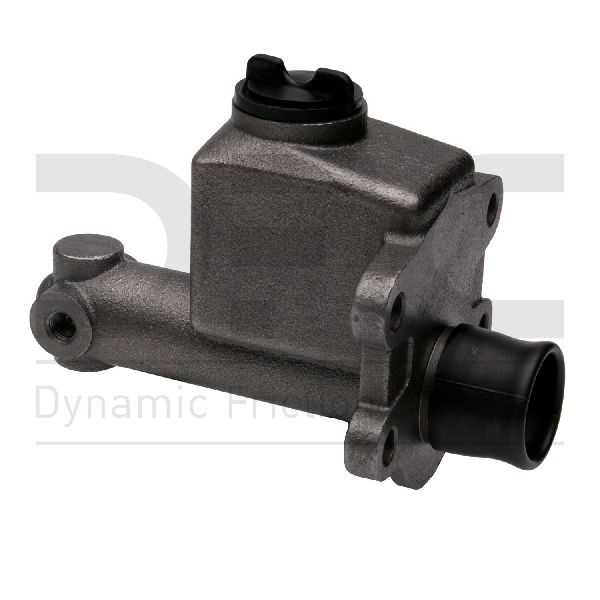
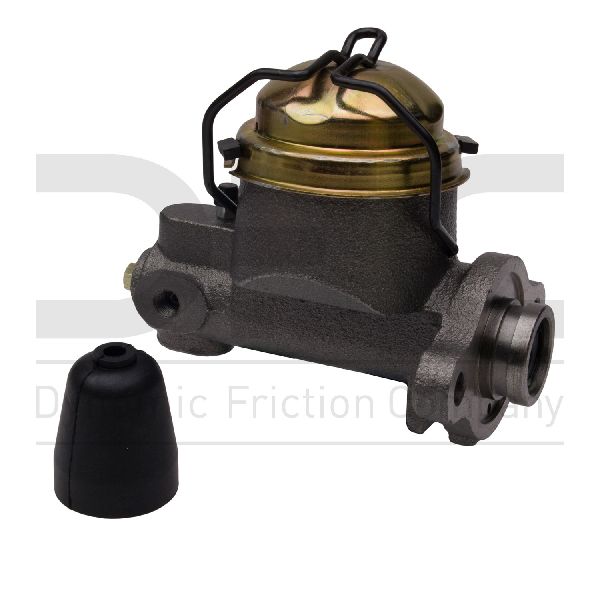
Before buying a new part, the first thing you must do is check what is currently on your Gladiator. Models from 1963-1966 often came from the factory with a single reservoir master cylinder. This design was common at the time but has a major safety flaw: if a leak occurs anywhere in the brake system, you can lose all your brakes at once. Federal safety standards mandated dual-circuit brake systems in 1967, so 1967-1969 Gladiators should have a safer dual reservoir master cylinder from the factory.
Pro Tip: Upgrade for Safety
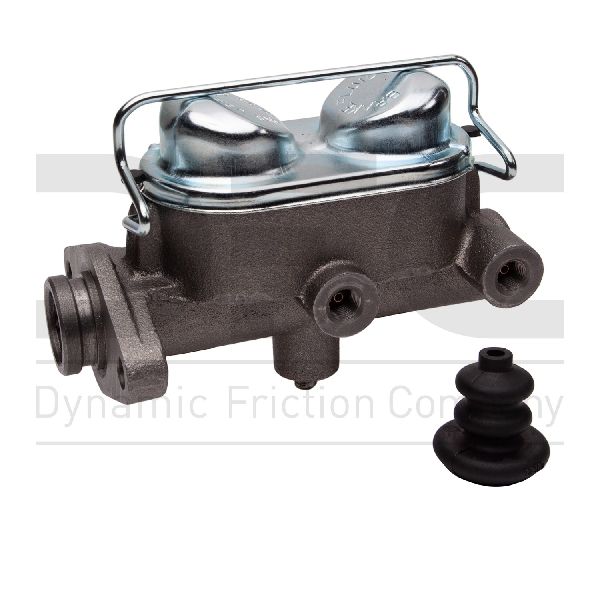
If your Gladiator has a single reservoir master cylinder, it is highly recommended to upgrade to a dual reservoir unit. This is the single most important safety improvement you can make to your truck's brake system. The conversion provides a redundant circuit, so if the front or rear brakes fail, you will still have the other half to help stop the vehicle.
Symptoms of a Failing Brake Master Cylinder
A bad master cylinder is a critical safety issue. If you notice any of these signs, inspect your brake system immediately.
- Spongy or Soft Brake Pedal: If your pedal feels mushy or goes down further than usual, it often means there's air in the lines, possibly from a failing seal in the master cylinder.
- Sinking Brake Pedal: When you hold your foot on the brake pedal, it slowly sinks to the floor. This is a classic sign of an internal leak in the master cylinder, where fluid is bypassing the piston seals.
- Contaminated Brake Fluid: If the brake fluid in the reservoir looks dark, dirty, or has particles in it, it can indicate that the seals inside the master cylinder are breaking down.
- Brake Warning Light: On later models with a dual-circuit system, a pressure difference between the two circuits caused by a leak can trigger the brake warning light on your dash.
- Low Brake Fluid: If you are losing brake fluid but can't find an external leak at the wheels or lines, the master cylinder may be leaking from its rear seal into the brake booster (if equipped) or onto the firewall.
Choosing the Right Aftermarket Master Cylinder
For a vehicle from the 1960s, finding a true "OEM" part is nearly impossible. The market consists almost entirely of new aftermarket parts. This is not a bad thing, as modern manufacturing and materials can be an improvement over the original 60-year-old technology.
The brands available, such as Centric and Dynamic Friction, are well-established aftermarket manufacturers. They are generally considered reliable choices for a daily driver or restoration project.
- Centric: A widely known brand that offers parts considered to be of OE-quality. They are a common and dependable choice for replacement hydraulic components. While occasional quality issues can occur with any mass-produced part, they are a solid option.
- Dynamic Friction: Often seen as a competitively priced brand that provides good value. User reviews are generally positive for standard use, making them a good budget-friendly alternative without significant compromises for a classic truck.
Check Your Brakes: Manual vs. Power
When ordering, be sure to know if your Gladiator has manual brakes or power brakes (with a large, round booster between the master cylinder and the firewall). Some master cylinders are specific to one application, as the piston bore depth may differ.
| Item | Estimated Cost |
|---|---|
| New Aftermarket Master Cylinder | $76.79 - $111.26 |
| Shop Labor | $150 - $300 |
| Total Estimated Cost | $227 - $411 |
Frequently Asked Questions
Can I drive with a bad master cylinder?
No. A failing master cylinder can lead to partial or complete brake failure at any time. It is not safe to drive the vehicle until it has been repaired.
What's the difference between a single and dual reservoir master cylinder?
A single reservoir master cylinder uses one chamber to supply hydraulic pressure to all four brakes. A dual reservoir has two separate chambers, one for the front brakes and one for the rear. This is a safety feature, as a leak in one half of the system will not cause a total loss of braking.
If I upgrade to a dual reservoir, do I need a proportioning valve?
Yes, if you have front disc brakes and rear drum brakes, you will need a proportioning valve. The valve balances the pressure between the front and rear to prevent the rear wheels from locking up during hard braking. If your Gladiator has drum brakes on all four wheels, a proportioning valve is generally not required as you want equal pressure.
Should I rebuild my original master cylinder?
Rebuilding is an option only if the cylinder bore (the inside wall) is perfectly smooth and free of pits or corrosion. If the bore is damaged, a rebuild kit will not seal properly and will fail quickly. Given the low cost of a brand new aftermarket unit and the safety-critical nature of the part, replacing it with a new one is almost always the better choice.
Technical Specifications
Key specification is confirming single vs. dual reservoir type. Many models use a 1-inch bore diameter. Verify if your system is manual or power-assisted.
We Have This Part in Stock

The information in this article is provided for general reference and educational purposes only. Vehicle specifications, procedures, and part compatibility can vary by production date, trim level, and region. Always consult your vehicle's factory service manual and verify part numbers before purchasing or performing repairs. Safety-critical components such as airbags, seat belts, and braking systems should be installed by a qualified professional.