

A Comprehensive Guide to Universal Joints for the 1963-1970 Jeep Wagoneer
Fixing driveshaft vibrations and clunks starts with choosing the right U-joint for your classic Wagoneer.
- A bad U-joint is a serious safety issue; do not ignore symptoms like vibrations or clunking sounds.
- Dana Spicer is the original supplier and a top-tier replacement choice for reliability and fit.
- For heavy off-road use, consider upgrading to high-strength brands like Yukon Gear & Axle.
- Replacing U-joints requires a press or large vise; it is a feasible DIY job for those with the right tools and mechanical experience.
Symptoms of a Failing Universal Joint
A failing U-joint gives several warning signs. Ignoring them can lead to a driveshaft detaching from the vehicle, which is a serious safety hazard. Listen and feel for these symptoms:
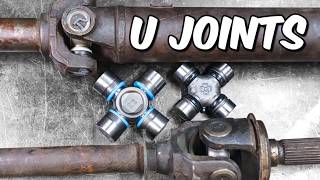
🎬 Watch: 7 signs of a bad universal joint- Clicking or Clunking Noises: You might hear a distinct "clink" or "clunk" when you shift from Drive to Reverse. This sound is caused by excessive play in a worn U-joint.
- Vibrations: A vibration that you can feel through the floor of the Jeep is a common symptom. This vibration often gets worse as you drive faster. It's caused by a U-joint that has seized or is out of balance.
- Squeaking Sounds: A repetitive, high-pitched squeak that sounds like a bird chirping and increases with vehicle speed is a classic sign of a dry, failing U-joint. This means the internal needle bearings have lost their lubrication.
A Complete Failure is Dangerous
If a U-joint fails completely, the driveshaft can disconnect and fall while you are driving. This can cause you to lose control of the vehicle or cause catastrophic damage to the undercarriage, transmission, and exhaust.
Choosing the Right Aftermarket U-Joint
For a classic vehicle like the 1963-1970 Wagoneer, new original equipment manufacturer (OEM) parts are generally unavailable. However, the aftermarket offers excellent, and often superior, options. Dana Spicer was the original manufacturer for many Jeep parts, so choosing their aftermarket line is often as good as OEM. Here’s a breakdown of available brands:
Tier 1: Premium & Heavy-Duty Use
- Dana Spicer: Widely considered the gold standard and original supplier for Jeeps. They offer both greasable and non-greasable (sealed) joints. Their non-greasable, cold-forged joints are often considered their strongest.
- Yukon Gear & Axle: Known for high-strength driveline components, often used in off-road and racing applications. Their U-joints are built for extreme durability and are a great choice for heavily used or modified Wagoneers.
Tier 2: Quality Daily Driver Replacements
- Moog: A well-known aftermarket brand that has been a reliable choice for decades. While some forum users note a decline in quality in recent years, they are generally considered a solid replacement for standard use.
- SKF: A global leader in bearings, SKF produces high-quality U-joints that are a dependable choice for replacing worn-out parts.
Tier 3: Budget-Friendly Options
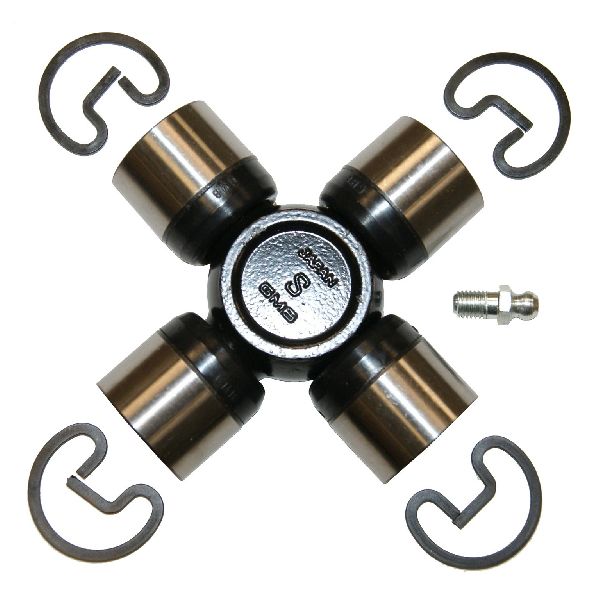
- GMB: A common budget-friendly brand. Quality can be a concern for heavy-use vehicles, but they can be a viable option for a vehicle that is driven lightly.
- Omix-Ada: Specializes in Jeep replacement parts. Forum discussions suggest their quality can be inconsistent; they are often recommended for non-critical components rather than core driveline parts.
Greasable vs. Non-Greasable
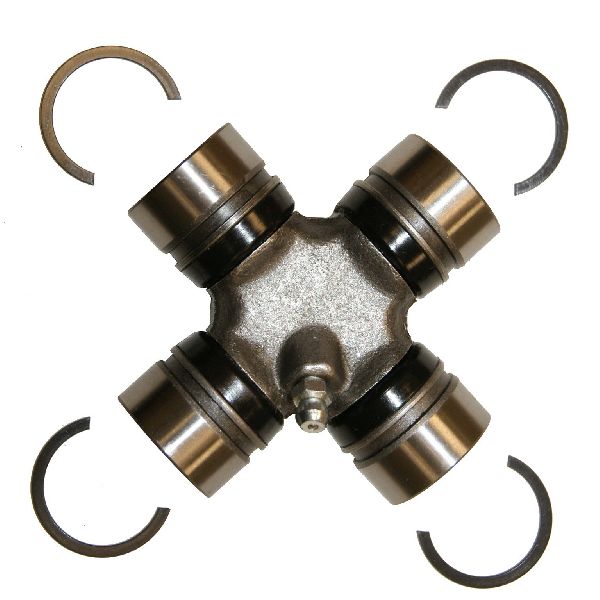
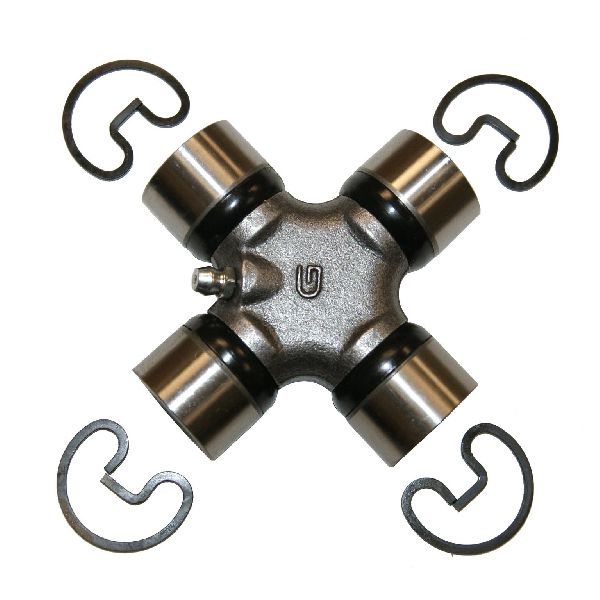
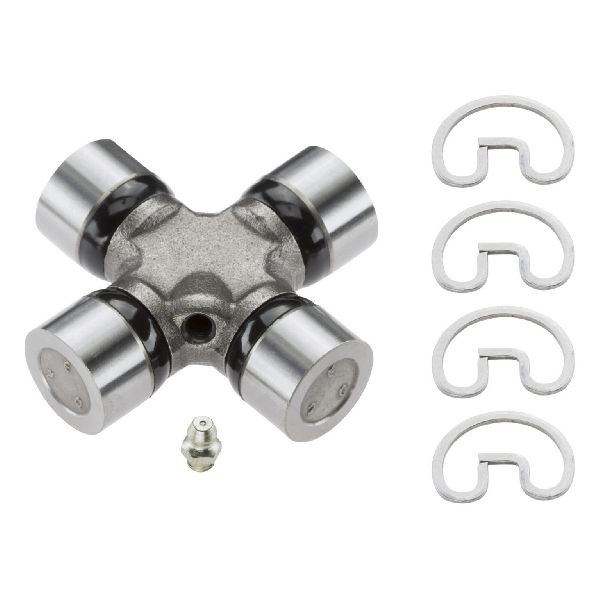
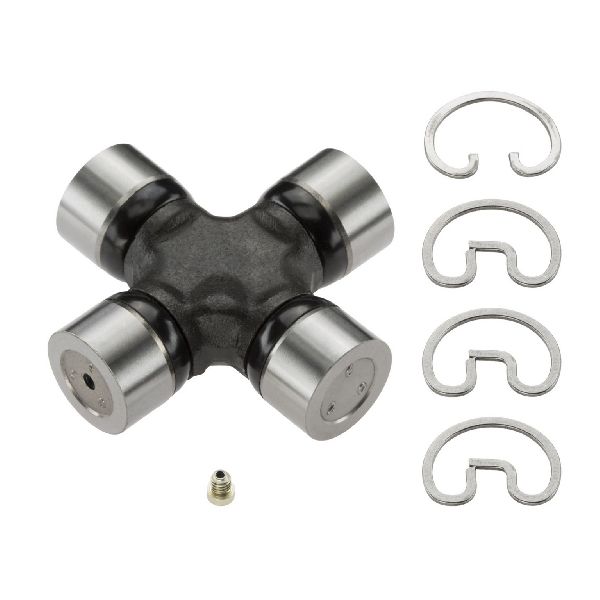
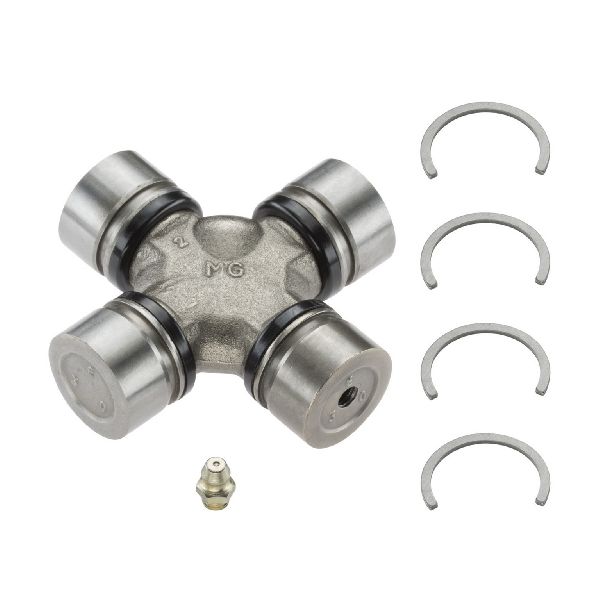
Greasable U-joints have a zerk fitting that allows you to add fresh grease periodically, which can extend their life if maintained properly. Non-greasable (or sealed) joints are lubricated for life and are often stronger because the cross body isn't drilled for a grease channel. For a classic Wagoneer that may see varied use, a quality greasable joint from a brand like Spicer is an excellent, serviceable choice.
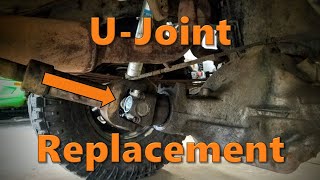
🎬 See this U-joint replacement on a classic JeepEstimated Costs
| Item | Estimated Cost |
|---|---|
| New Aftermarket U-Joint Part | $17.14 - $107.89 |
| Shop Labor to Replace (per joint) | $100 - $200 |
| New OEM U-Joint | Not Available |
Frequently Asked Questions (FAQ)
How many U-joints does my 1963-1970 Wagoneer have?
A 4WD Wagoneer typically has multiple U-joints. You'll find them on the front and rear driveshafts (usually two per shaft) and on the front axle shafts (one per side, behind the wheel). The exact number and type can vary, so it's crucial to inspect your vehicle to confirm what you need.
Do I need special tools to replace a U-joint?
Yes, this job typically requires special tools. While some have success with hammers and sockets, the correct way involves using a bench vise with large sockets or a dedicated U-joint press or ball joint press tool. Using the wrong method can damage the driveshaft yoke or the new U-joint.
🎬 Watch: How to replace a U-joint using proper toolsWere there any recalls for Wagoneer U-joints?
Searches of the National Highway Traffic Safety Administration (NHTSA) database show no specific recalls for universal joints on the 1963-1970 Jeep Wagoneer. Recalls for vehicles of this age are extremely rare.
What are the most common U-joint sizes for my Wagoneer?
Many Full-Size Jeeps from this era and later use the "1310" series U-joint for the driveshafts. However, some early models may have used different types, like the "Detroit Universal" or "ball and trunnion" joint. It is essential to measure your old U-joints (cap diameter and overall width) or identify them by the numbers on the bearing caps before ordering replacements.
Helpful Videos
Technical Specifications
The most common driveshaft U-joint series for this era is the 1310. However, variations exist. Always measure the cap diameter and width of your existing U-joints before ordering. Some early models may feature less common 'ball and trunnion' style joints which may require driveshaft modification to replace with modern parts.
We Have This Part in Stock

The information in this article is provided for general reference and educational purposes only. Vehicle specifications, procedures, and part compatibility can vary by production date, trim level, and region. Always consult your vehicle's factory service manual and verify part numbers before purchasing or performing repairs. Safety-critical components such as airbags, seat belts, and braking systems should be installed by a qualified professional.
- 🎬 Helpful Videos
- 🛍️ Shop This Part
- Symptoms of a Failing Universal Joint
- A Complete Failure is Dangerous
- Choosing the Right Aftermarket U-Joint
- Tier 1: Premium & Heavy-Duty Use
- Tier 2: Quality Daily Driver Replacements
- Tier 3: Budget-Friendly Options
- Greasable vs. Non-Greasable
- Estimated Costs
- Frequently Asked Questions (FAQ)
- 🎟️ Get 5% Off