

A Guide to Spark Plugs for the 1964-1972 Ford F-350
Keep your classic Ford F-350's engine running strong by choosing the right spark plugs for the job.
- You must know your truck's specific engine (e.g., 300 I6, 390 V8) to buy the correct spark plugs.
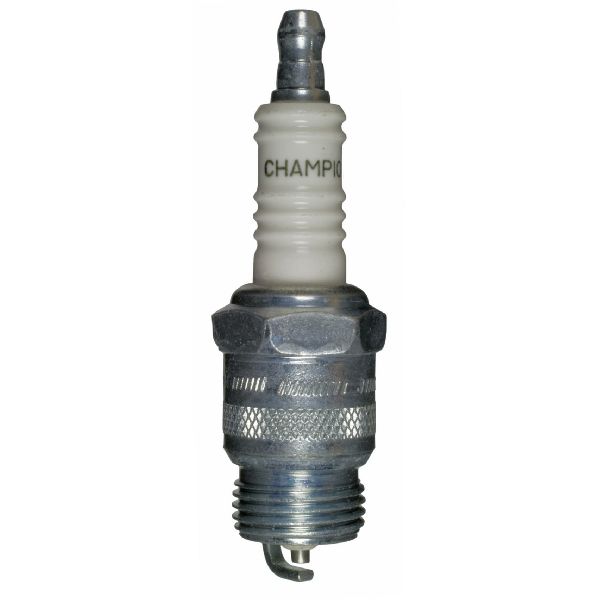
- Standard copper spark plugs from brands like Autolite or Champion are the recommended choice for these vintage engines.
- Always check and adjust the spark plug gap to your engine's specifications before installation.
- Replacing spark plugs is an easy DIY job on a 1964-1972 F-350 that can be done in under an hour.
Symptoms of Bad Spark Plugs
Worn-out or fouled spark plugs can cause noticeable problems in your truck. If you experience any of these signs, it might be time for a replacement. A dirty or damaged plug can't create a good spark, which affects how the engine runs.
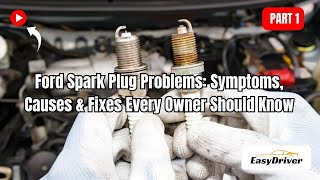
🎬 Watch this guide on spotting and fixing Ford spark plug problems.- Rough Idling: Your engine may sound shaky and uneven when the truck is stopped. This can be caused by a plug that isn't firing correctly.
- Hard Starts: If your truck takes longer than usual to start, bad spark plugs could be the cause. They are needed to begin the combustion process that starts the engine.
- Engine Misfires: You might feel a hesitation or stumble from the engine, especially when accelerating. This happens when a cylinder fails to fire properly due to a weak spark.
- Poor Fuel Economy: A sudden drop in gas mileage can be a sign of failing spark plugs. Inefficient combustion means you're using more fuel than necessary.
- Lack of Acceleration: If your truck feels sluggish and doesn't have the power it used to, worn plugs could be to blame.
Choosing the Right Aftermarket Spark Plug
The most important factor in choosing a spark plug is matching it to your truck's specific engine. During this period, Ford offered several engines, including the 240 and 300 cubic inch inline-6, as well as V8s like the 292, 352, 360, and 390. Always verify your engine type before buying.
Spark Plug Materials
For vintage engines like those in the 1964-1972 F-350, traditional copper spark plugs are often the best choice. They were the original equipment and work very well with the ignition systems of that era. While modern platinum and iridium plugs last longer, they are designed for newer vehicles and may not offer any benefit in your classic truck.
Brand Tiers for Your F-350
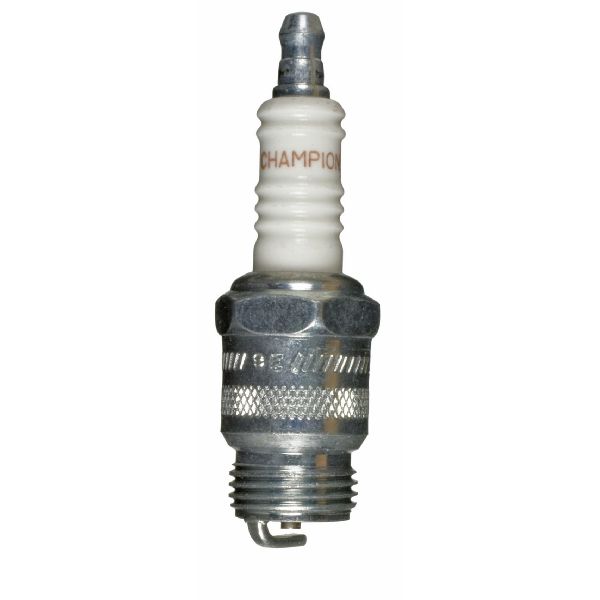
- Good (Standard Replacement): Autolite and Champion are classic, reliable choices. Autolite was an original parts supplier for Ford, making their standard copper plugs a safe and effective option. Champion is another long-standing brand that works well in these older engines.
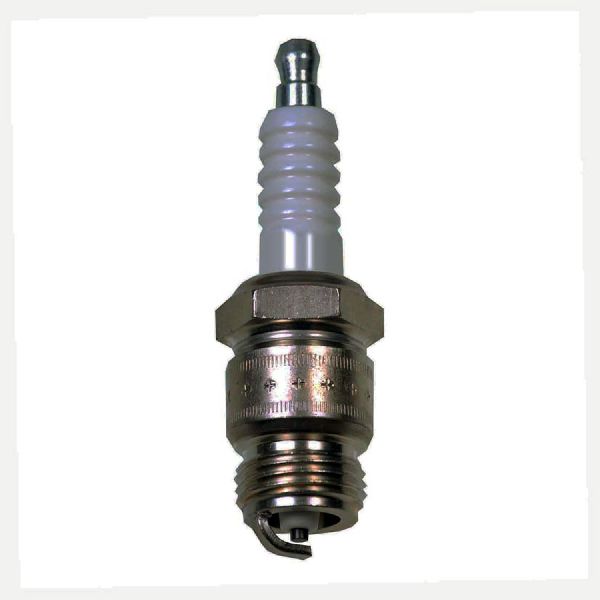
- Better (Premium): NGK and Denso are highly-regarded Japanese brands known for quality and reliability. Many owners and mechanics use their standard copper plugs in classic vehicles with great results.
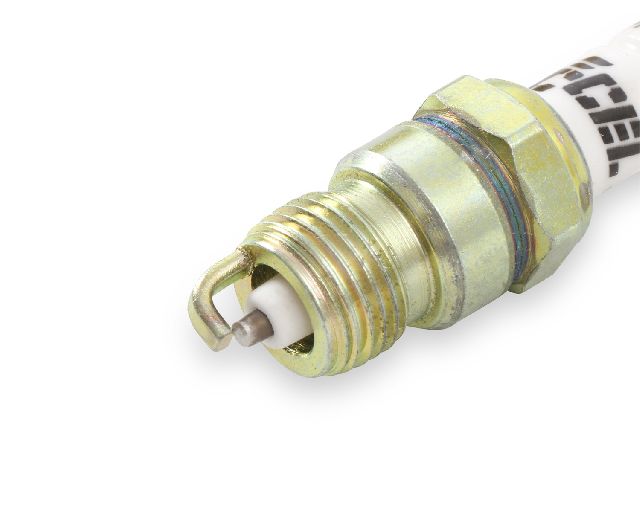
- Performance: Accel plugs are geared more toward high-performance or modified engines. If your truck's engine is mostly stock, these may not be necessary, but they are a quality option for performance builds.
Check the Gap!
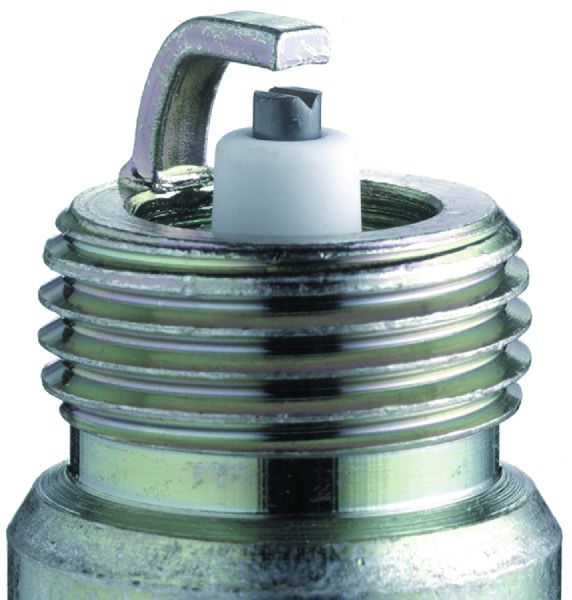
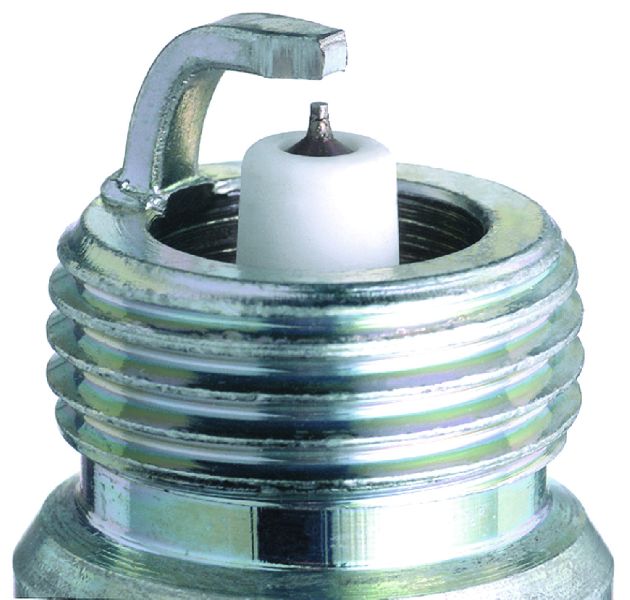
Before installing new spark plugs, you must check and set the gap. The "gap" is the small space between the center and ground electrodes. For these trucks, the gap is typically between .030 and .035 inches, but you should always verify the correct specification for your specific engine and ignition type. An incorrect gap can lead to poor performance.
Cost of Aftermarket Spark Plugs for 1964-1972 Ford F-350
| Brand/Type | Price Range (per plug) | Notes |
|---|---|---|
| Standard Copper (Autolite, Champion) | $3 - $6 | Excellent choice for stock, original engines. |
| Premium Copper (NGK, Denso) | $4 - $8 | High-quality option known for reliability. |
| Performance (Accel) | $5 - $12 | Best for modified or high-compression engines. |
| Platinum/Iridium | $8 - $20+ | Generally not necessary or recommended for these vintage ignition systems. |
Pro Tip: Reading Old Spark Plugs
When you remove your old spark plugs, look at their tips. A light tan or grayish color indicates a healthy engine. A black, sooty plug can mean the fuel mixture is too rich, while an oily plug could point to internal engine wear like bad valve seals.
Frequently Asked Questions
How often should I replace the spark plugs on my F-350?
For these classic trucks using standard copper spark plugs, a good interval is every 15,000 to 30,000 miles, or every few years. Unlike modern cars that can go 100,000 miles, the ignition systems and fuel delivery (carburetors) of this era lead to faster plug wear.
Is it hard to replace the spark plugs myself?
No, on these trucks it is a very straightforward job. The spark plugs are typically easy to access on top of the engine. You will need a ratchet, a spark plug socket, and a gap tool. The entire job can usually be done in under an hour.
Do I need to put anything on the new spark plug threads?
It is a good practice to apply a small amount of anti-seize compound to the threads of the new plugs. This helps prevent them from getting stuck in the cylinder head, which can make them difficult to remove in the future.
What happens if I don't change my spark plugs?
Continuing to drive with worn-out spark plugs will lead to worsening performance, lower gas mileage, and could potentially cause damage to other ignition components. In severe cases, unburned fuel can damage the exhaust system. You might also hear a knocking sound from the engine, which indicates a serious problem that needs immediate attention.
Helpful Videos
Technical Specifications
OEM Part Numbers: BTF-31
Engine-specific. Common gap settings are between .030" and .035". Common socket sizes are 5/8" and 13/16".
We Have This Part in Stock

The information in this article is provided for general reference and educational purposes only. Vehicle specifications, procedures, and part compatibility can vary by production date, trim level, and region. Always consult your vehicle's factory service manual and verify part numbers before purchasing or performing repairs. Safety-critical components such as airbags, seat belts, and braking systems should be installed by a qualified professional.