

GMC G1500 (1964-1972) Automatic Transmission Mount: A Complete Guide
Stop the clunking and vibrations in your classic GMC van by understanding and replacing your transmission mount.
- A bad transmission mount causes clunking noises and excessive vibration in your G1500.
- For this classic van, a standard aftermarket brand like Anchor is the most common and suitable replacement.
- Replacing the mount is a simple, one-hour job that is feasible for most DIY mechanics.
- Ignoring a failed mount can lead to damage to other drivetrain and exhaust components.
Symptoms of a Failing Transmission Mount
A bad transmission mount on your G1500 will make its presence known. Because these vans have a straightforward body-on-frame design, the vibrations and noises can be very obvious. Look out for these common signs:
- Clunking or Banging Noises: A loud clunk when you shift from Park into Drive or Reverse is a classic symptom. You might also hear bangs during hard acceleration as the transmission shifts and hits other parts.
- Excessive Vibration: If you feel new or worsening vibrations through the floor or seat, especially while accelerating, your mount's rubber has likely failed. A completely failed mount can't absorb any vibrations, making for a rough ride.
- Visible Engine and Transmission Movement: Have a friend put the van in gear while holding the brakes and watch the engine bay. If you see the engine and transmission lurch or twist excessively, the mount is no longer holding it steady.
Don't Ignore a Bad Mount
Continuing to drive with a completely failed transmission mount is not recommended. The excessive movement can put stress on engine mounts, U-joints, exhaust pipes, and even transmission seals, leading to more expensive repairs down the road.
Choosing the Right Aftermarket Mount
For a vintage vehicle like the 1964-1972 G1500, finding a new original equipment manufacturer (OEM) part is nearly impossible. The market for these mounts is dominated by aftermarket replacements. This is perfectly fine for a stock vehicle used for daily driving or light-duty work.
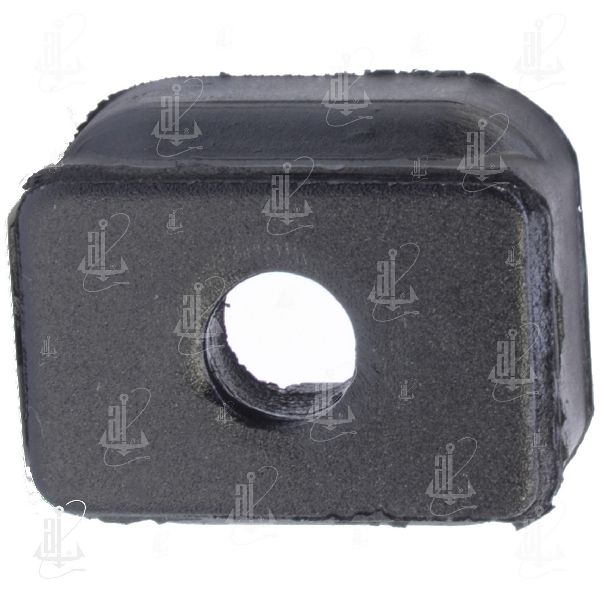
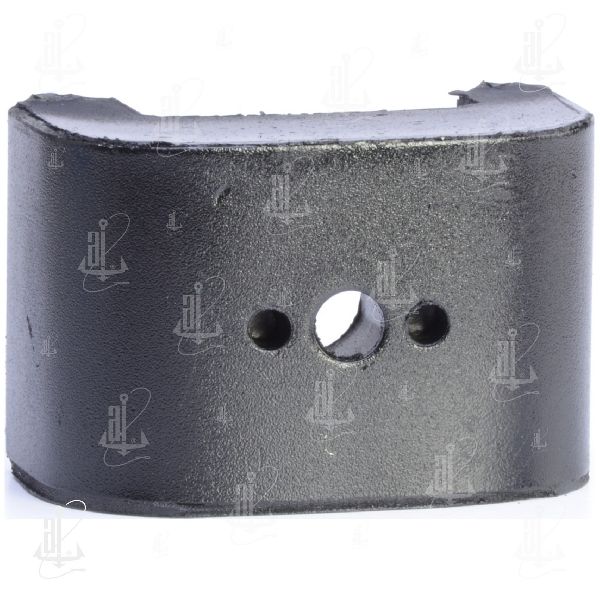
Standard Aftermarket (Good): Brands like Anchor are a common, budget-friendly choice. They are considered a standard replacement part that meets basic requirements. While some forum users across different vehicle platforms have mixed opinions on longevity, others have used them for years without issue, especially on older, less demanding applications. For a stock G1500, an Anchor mount is a suitable and widely available option.
Polyurethane/Performance (Better): For modified vans or those used for heavy towing, a polyurethane mount could be an option. These are much stiffer and more durable but will transmit more vibration into the cabin. For most owners, the standard rubber replacement is the better choice for ride comfort.
Cost of Replacing a G1500 Transmission Mount
| Part Type | Estimated Cost |
|---|---|
| New Aftermarket (e.g., Anchor) | $7 - $14 |
| Shop Labor | $75 - $150 |
| Total Estimated Cost (Shop) | $82 - $164 |
Pro Tip: DIY Savings
Replacing the transmission mount on a G1500 is a straightforward job for a DIY mechanic. With basic tools, a jack, and jack stands, you can save on labor costs. The process typically takes about an hour.
Frequently Asked Questions (FAQ)
Can I replace the transmission mount myself?
Yes, this is a very DIY-friendly job on a 1964-1972 G1500. The process involves safely supporting the vehicle on jack stands, using a jack and a block of wood to support the transmission, unbolting the old mount from the crossmember and transmission, and installing the new one.
What happens if I don't replace a bad transmission mount?
Ignoring it can lead to a cascade of other problems. The constant movement can damage your engine mounts, driveshaft U-joints, and exhaust system. In severe cases, it can even cause transmission fluid leaks by stressing seals.
Is an aftermarket mount good enough for my classic van?
Yes. For a vehicle of this age, aftermarket parts are the primary option. A standard rubber replacement from a brand like Anchor is perfectly adequate for a stock G1500 and will restore smooth operation. OEM parts are generally not available.
Are there any recalls for the G1500 transmission mount?
No specific recalls for the transmission mount on the 1964-1972 GMC G1500 were found in NHTSA's database. Any issues today are due to the age and wear of the original components.
Technical Specifications
Standard rubber and steel construction. Typically a single-stud or two-bolt design that attaches to the transmission tailshaft housing and the frame crossmember.
We Have This Part in Stock

The information in this article is provided for general reference and educational purposes only. Vehicle specifications, procedures, and part compatibility can vary by production date, trim level, and region. Always consult your vehicle's factory service manual and verify part numbers before purchasing or performing repairs. Safety-critical components such as airbags, seat belts, and braking systems should be installed by a qualified professional.