

1964-1974 Ford Mustang Engine Mounts: A Complete Replacement Guide
Stop excessive engine vibration and prevent damage with the right new mounts for your classic Mustang.
- Bad mounts cause vibration and clunking noises; replace them to prevent damage.
- Always replace engine mounts in pairs to ensure even load and stability.
- For a stock ride, use standard rubber mounts (Anchor, DEA); for performance, use stiffer mounts (Lakewood) but expect more vibration.
- Verify the part fits your specific year and engine (6-cylinder vs. V8) as designs changed.
Signs of a Bad Engine Mount
After 50+ years, the original rubber on your Mustang's engine mounts has likely seen better days. Heat, oil, and stress cause the rubber to crack, collapse, or separate from the metal. When this happens, you'll start to notice some obvious signs.
Common Failure Symptoms
- Excessive Vibration: The most common symptom is a new or worsening vibration felt in the steering wheel, floor, or seats, especially at idle.
- Clunking or Thumping Noises: Loud clunks or bangs from the engine bay when you accelerate, decelerate, or shift gears are a sure sign the engine is moving too much and hitting other parts.
- Engine Movement: You might see the engine physically lurch or tilt when you rev it. An engine that moves more than an inch or two likely has a failed mount.
- Visual Damage: A visual inspection might show cracked, torn, or oil-soaked rubber. The engine may even appear to be sagging or sitting unevenly in the engine bay.
Choosing the Right Aftermarket Mount
For a classic Mustang, original Ford (OEM) mounts are generally not available. The market consists of aftermarket reproductions that fall into two main categories: standard replacement and performance.
Standard Replacement Mounts
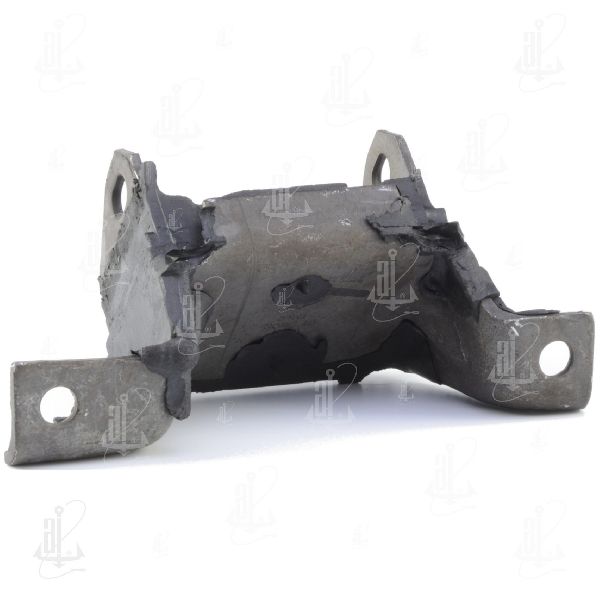
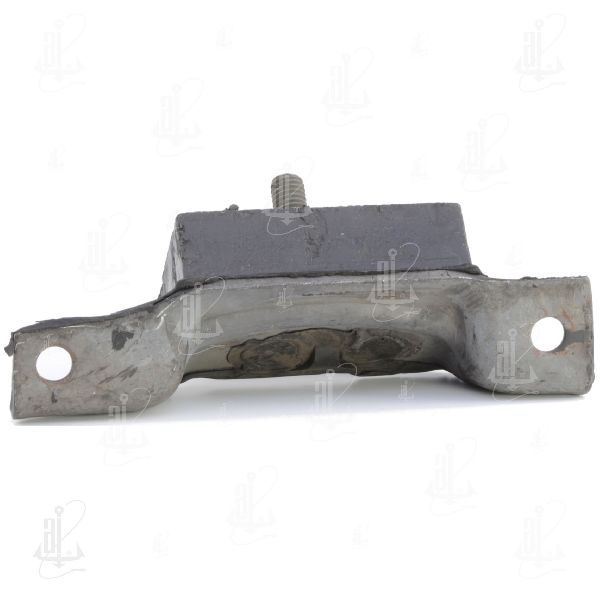
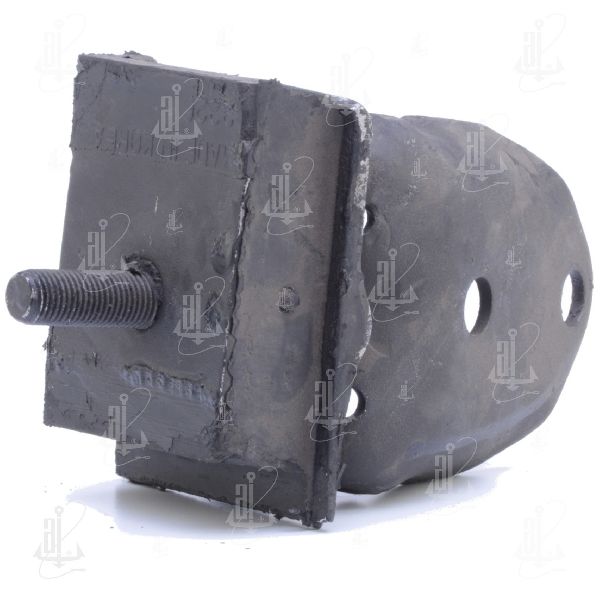
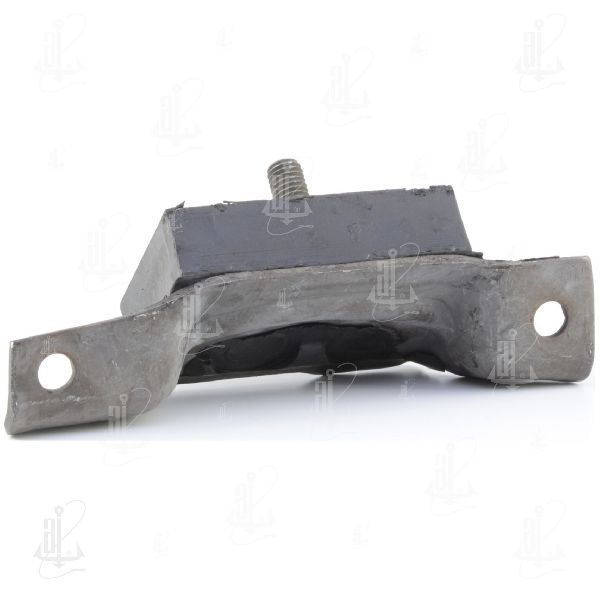
Brands like Anchor, DEA, Westar, and Pioneer Cable offer standard replacement mounts. These are designed to mimic the original factory part's fit and function, prioritizing vibration absorption for a comfortable ride. Forum discussions among classic car owners suggest that while these brands are affordable and get the job done, their appearance and rubber quality can sometimes be inconsistent. However, for a daily driver or stock restoration, they are a perfectly suitable and budget-friendly choice.
Performance Mounts
Brands like Lakewood offer performance-oriented "Muscle Mounts." These use harder rubber (durometer) and a more robust steel structure. The benefit is significantly less engine movement, which improves throttle response and durability, especially with a modified, high-torque engine. The trade-off is a noticeable increase in cabin vibration (NVH), as the harder material transmits more of the engine's vibrations to the frame. Some performance mounts are also adjustable, allowing you to fine-tune the engine's position in the bay.
Pro Tip: Check Your Engine Type
The 1964-1974 Mustang came with many different engines, from the inline-6 to small-block and big-block V8s. The engine mounts are specific to the engine type and sometimes even the year. Always verify that the mount you are buying is correct for your specific engine (e.g., 289, 302, 351, 390) and year.
Cost to Replace 1964-1974 Mustang Engine Mounts
Replacing engine mounts on a classic Mustang is one of the more affordable and impactful maintenance jobs you can do. The parts are inexpensive, and labor is straightforward for a mechanic or an experienced DIYer.
| Item | Estimated Cost |
|---|---|
| New Aftermarket Mounts (Pair) | $24 - $90 |
| Shop Labor | $150 - $300 |
| Total Professional Replacement | $174 - $390 |
Cost estimates are for parts and labor and do not include taxes or shop fees. Aftermarket part costs are based on the provided price range of $11.98 - $44.23 per mount.
Frequently Asked Questions
Should I replace both engine mounts at the same time?
Yes. It is highly recommended to replace engine mounts in pairs. If one has failed due to age and wear, the other is likely in similar condition. Replacing only one can put extra stress on the new mount and the old transmission mount.
Are there any recalls for 1964-1974 Mustang engine mounts?
No. Searches of the National Highway Traffic Safety Administration (NHTSA) database show no recalls or specific technical service bulletins (TSBs) for engine mounts on the 1964-1974 Ford Mustang. A major GM engine mount recall occurred in 1971, but this did not involve Ford.
Is replacing engine mounts a DIY job?
Yes, for someone with moderate mechanical skill and the right tools, this is a very feasible DIY project. The process involves safely supporting the engine with a floor jack and a block of wood, unbolting the old mounts, and installing the new ones. Always use jack stands to support the vehicle's frame before working underneath.
What's the difference between an engine mount and the frame bracket?
The engine mount (or insulator) is the rubber and steel part that bolts directly to the engine block. This mount then bolts to a frame bracket (or stand), which is bolted to the car's shock tower or frame rail. Sometimes you need to replace both, especially if you are converting from a 6-cylinder to a V8 engine.
Technical Specifications
Mount designs for the 1964-1974 Mustang vary significantly based on engine type (I6, Small Block V8, Big Block V8) and year. Early V8 models (pre-1965) used a three-part assembly, while later models used a one-piece bracket and insulator. The 1967 design was unique to control vibration. Convertible models sometimes used different mounts than coupes/fastbacks. Always confirm part compatibility with the vehicle's specific engine and body style.
We Have This Part in Stock
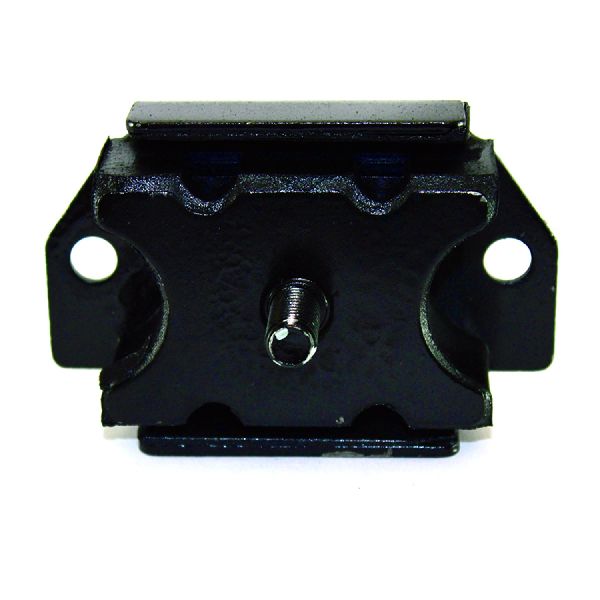


The information in this article is provided for general reference and educational purposes only. Vehicle specifications, procedures, and part compatibility can vary by production date, trim level, and region. Always consult your vehicle's factory service manual and verify part numbers before purchasing or performing repairs. Safety-critical components such as airbags, seat belts, and braking systems should be installed by a qualified professional.