

A Ford Mustang Owner's Guide to Universal Joint Replacement for 1964-1974 Models
Eliminate driveline vibrations and clunks by choosing the right U-joint for your classic Mustang.
- You must measure your old U-joints (cap diameter and width) before ordering replacements, as multiple sizes were used on 1964-1974 Mustangs.
- Dana Spicer is the most recommended brand for quality and durability, with non-greasable versions being the strongest choice for performance.
- Symptoms almost always include a clunk when shifting, vibrations at speed, or a rotational squeak.
- It is strongly recommended to replace both U-joints at the same time to ensure proper driveline balance and prevent future failures.
Symptoms of a Failing Universal Joint
A worn-out U-joint will give you clear warning signs. Ignoring them can lead to a complete failure that leaves you stranded and can cause damage to the driveshaft, transmission, or differential. Listen and feel for these common symptoms:
- Clunking or Banging Noise: A loud "clunk" or "clang" when you shift from park into drive or reverse is a classic sign of a bad U-joint. This is caused by excessive play in the worn-out joint.
- Vibration While Driving: You may feel a vibration that starts at a certain speed and gets worse as you go faster. This is often confused with an out-of-balance tire, but a U-joint vibration is felt through the floor of the car.
- Squeaking or Chirping: A rhythmic squeak that matches your wheel speed, especially noticeable when driving slowly, points to a dry or worn-out U-joint bearing.
- Visible Rust or Dryness: If you look under the car, you might see rust dust around the U-joint bearing caps, which indicates the internal needle bearings are failing.
Choosing the Right Aftermarket U-Joint
For a classic vehicle like the 1964-1974 Mustang, aftermarket U-joints are the standard. The quality is often as good as or even better than the original parts. Brands can be grouped into tiers based on quality and reputation among Mustang owners.
Brand Quality Tiers
- Top Tier (OEM Quality or Better): Brands like Dana Spicer Chassis are widely considered the gold standard by Mustang enthusiasts and professional mechanics. They are known for durability and precision. For high-horsepower or racing applications, their solid, non-greasable joints are considered the strongest option.
- Excellent Aftermarket: Moog and SKF are well-respected brands that offer high-quality replacement parts. Moog has a long history of providing reliable chassis parts, though some recent online discussions mention occasional quality inconsistencies. SKF is a global leader in bearing manufacturing, making their U-joints a solid choice.
- Standard Replacement & Performance: Brands like GMB offer reliable, budget-friendly replacements that meet original specifications. For those with modified Mustangs, Lakewood and Yukon Gear specialize in high-performance and heavy-duty driveline components designed to handle more power.
Measure Before You Buy!
Over its first decade, the Ford Mustang used several different U-joint sizes depending on the engine, transmission, and rear axle combination. Parts can also be swapped by previous owners. The only way to guarantee you get the right part is to remove and measure your old U-joints (both cap diameter and the length across the joint) before ordering.
Typical Replacement Costs
The cost to replace U-joints on a classic Mustang is reasonable. The parts themselves are affordable, and if you're doing it yourself, the main cost is your time.
| Item | Estimated Cost |
|---|---|
| New Aftermarket U-Joint (per part) | $18.90 - $107.89 |
| Shop Labor | $150 - $300 |
| Total Estimated Cost (Shop) | $190 - $520 (for two joints) |
Pro Tip: Replace in Pairs
Your Mustang's driveshaft has two U-joints. If one has failed, the other is likely the same age and has seen the same amount of wear. It is highly recommended to replace both U-joints at the same time to ensure a balanced, vibration-free driveline and to avoid having to do the job again in the near future.
Frequently Asked Questions
How many U-joints does my 1964-1974 Mustang have?
All 1964-1974 Mustangs have a one-piece driveshaft with two universal joints: one at the transmission end (front) and one at the differential end (rear).
Should I choose a greasable or non-greasable U-joint?
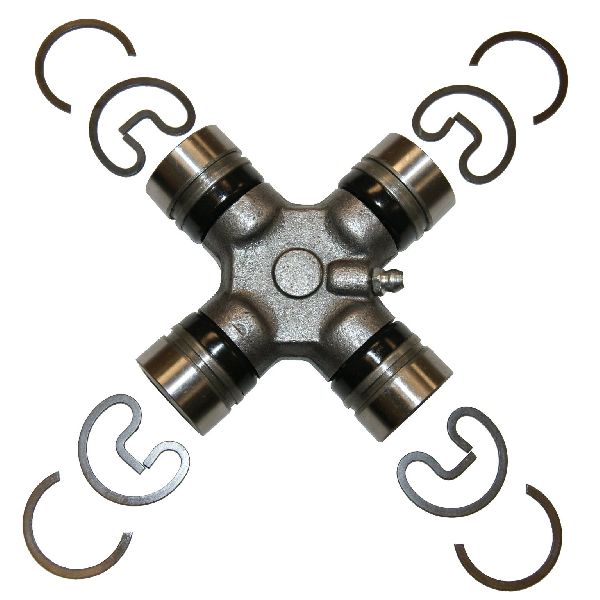
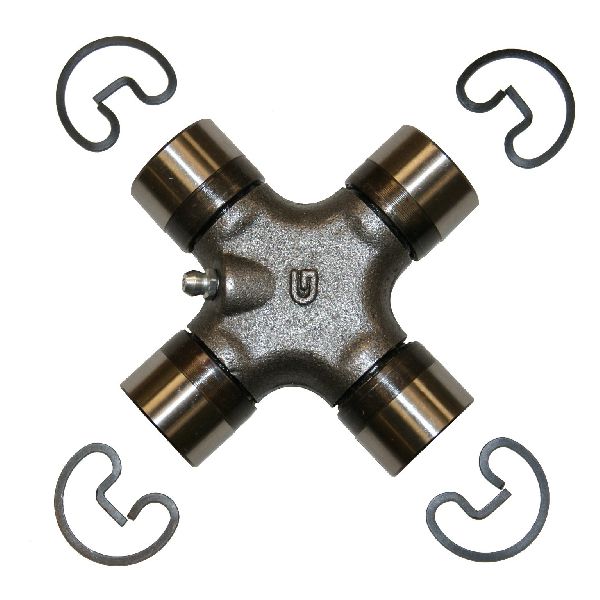
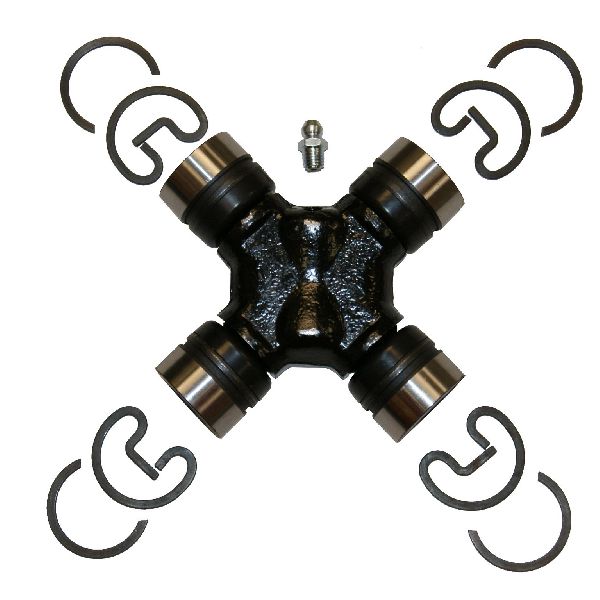
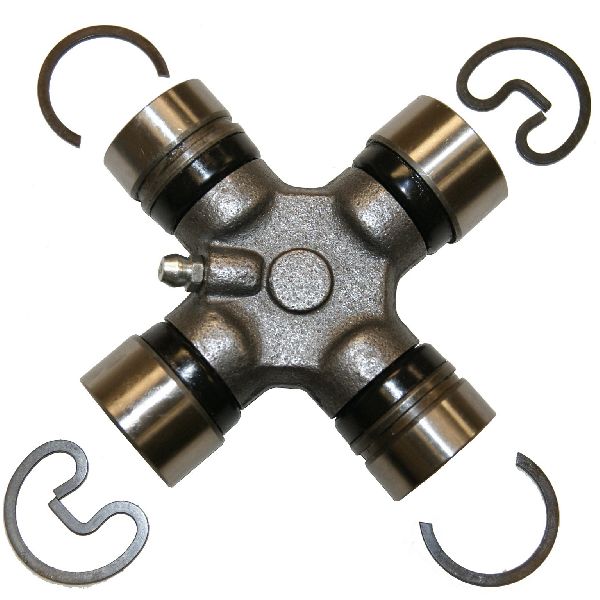
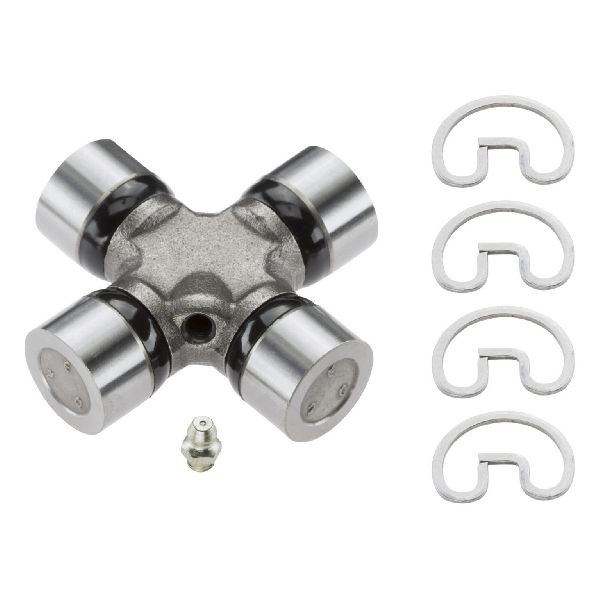
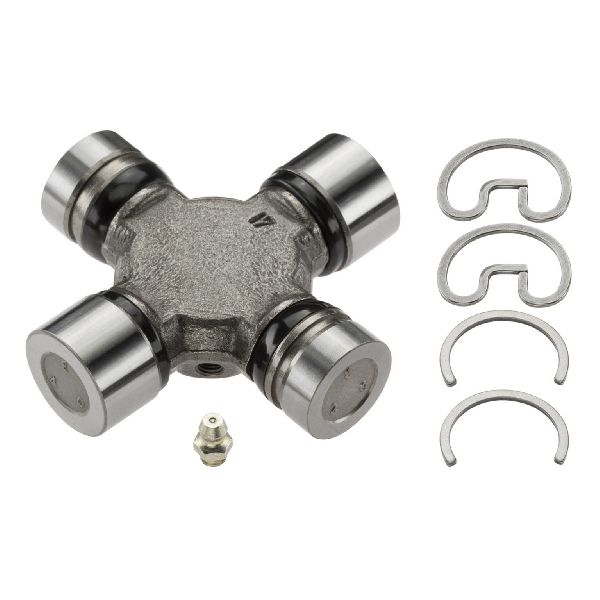
This depends on your preference. Non-greasable (sealed) U-joints are generally considered stronger because the cross body is solid steel. They are maintenance-free. Greasable U-joints have a fitting (zerk) that allows you to add fresh grease, which can extend their life if done regularly. However, the channel drilled for the grease creates a potential weak point, making them less ideal for high-horsepower applications.
Can I replace a U-joint myself?
Yes, this is a common DIY job for classic car owners. However, it requires safely lifting the vehicle, removing the driveshaft, and using either a bench vise and sockets or a dedicated U-joint press to remove the old joints and install the new ones. Rust can make removal difficult, so be prepared with penetrating oil and a heavy hammer.
Are there any recalls for my classic Mustang's U-joints?
No, searches of the National Highway Traffic Safety Administration (NHTSA) database did not show any open recalls or technical service bulletins (TSBs) for universal joints on 1964-1974 Ford Mustangs. Recalls found were for much newer models with different driveshaft designs.
Technical Specifications
Multiple U-joint series were used, including the 1310 and 1330 series, with different cap diameters and widths. Some applications used 'conversion' joints with two different cap sizes. Physical measurement of the original part is required for accurate replacement.
We Have This Part in Stock

The information in this article is provided for general reference and educational purposes only. Vehicle specifications, procedures, and part compatibility can vary by production date, trim level, and region. Always consult your vehicle's factory service manual and verify part numbers before purchasing or performing repairs. Safety-critical components such as airbags, seat belts, and braking systems should be installed by a qualified professional.