

A Comprehensive Guide to the Engine Timing Set for 1965-1971 Jeep Wagoneer
Keep your classic Wagoneer's engine running strong by understanding its crucial timing components.
- You must correctly identify your engine (AMC I6, AMC V8, or Buick V8) before ordering a timing set, as they are not interchangeable.
- Symptoms of failure are mechanical, including rattling from the engine's front cover, power loss, and wandering ignition timing.
- Upgrading to a double-roller timing set from a brand like COMP Cams can offer a significant increase in durability for a small additional cost.
- Always inspect new aftermarket timing sets for quality and proper fit before beginning installation.
Is Your Wagoneer's Timing Set Failing?
A worn or failing timing set in a 1965-1971 Jeep Wagoneer will give you clear, mechanical warnings. Because these vehicles predate modern computer diagnostics, you need to listen and feel for symptoms. The most common sign is a rattling or scraping noise coming from the front of the engine behind the water pump. This sound is often most noticeable at idle or when first starting the engine. You may also experience a noticeable loss of power, engine misfires, or difficulty getting the engine to run smoothly. An experienced mechanic may find that the ignition timing is impossible to set correctly because a stretched chain causes it to wander. In severe cases, metal shavings from the worn chain and gears can contaminate the engine oil.
Engine Identification is Critical
Before ordering a timing set, you must identify which engine is in your Wagoneer. From 1965 to 1971, Jeep used several different engines, and the timing sets are not interchangeable. Key engines for this period include:
- AMC 327 "Vigilante" V8 (approx. 1965-1967)
- Buick 350 "Dauntless" V8 (approx. 1968-1971)
- AMC 232 Inline-6 (starting in 1965)
- AMC 360 V8 (introduced in 1971)
Check the engine block for casting numbers or consult a Jeep expert to confirm your engine type before purchasing parts.
Choosing the Right Aftermarket Timing Set
For a classic vehicle like the 1965-1971 Wagoneer, new original equipment manufacturer (OEM) parts are generally unavailable. The market consists entirely of aftermarket brands, which often provide components that are an upgrade over the originals, such as replacing nylon-coated camshaft gears with full-steel ones.
Brand Quality Tiers
- Standard Replacement (Good): Melling
Melling is a well-respected name in engine parts, also known for their oil pumps. Their standard timing sets are considered reliable, quality replacements for a stock engine. They are a dependable choice for a daily driver or standard rebuild. - Budget-Friendly (Use with Caution): Cloyes
Cloyes is a very common brand and often the most affordable. While many have used their parts without issue, some builders have reported receiving new sets with excessive chain slack right out of the box. If you choose this brand, it is critical to inspect the parts and measure the chain fitment before installation. - Performance Upgrade (Best): COMP Cams
COMP Cams specializes in performance parts. Their timing sets for these Jeep engines often feature a more durable double-roller chain instead of a standard link-belt style chain. Many sets also include crank sprockets with multiple keyways, allowing a builder to advance or retard camshaft timing for performance tuning. This is an excellent upgrade for a full engine rebuild or if you are seeking improved durability.
Pro Tip: Consider a Double-Roller Upgrade
Even on a stock engine, upgrading from a standard timing chain to a double-roller style from a brand like COMP Cams can increase durability and timing accuracy over the life of the engine. For the relatively small price difference, it's a worthwhile investment during a rebuild.
Estimated Replacement Costs
The cost to replace a timing set can vary based on shop labor rates and the final price of the parts you choose.
| Item | Estimated Cost |
|---|---|
| New Aftermarket Timing Set | $34 - $56 |
| Shop Labor | $400 - $900 |
| Total Estimated Cost | $434 - $956 |
Note: Labor costs are an estimate and can vary by region and shop. This job typically takes a professional mechanic 4-6 hours.
Frequently Asked Questions
Do I need to replace my water pump at the same time?
Yes, it is highly recommended. The timing cover is located behind the water pump. Since you will have already removed the water pump to access the timing set, replacing it at the same time is cost-effective and prevents having to do the same labor twice in the near future.
What is the difference between a single-roller and double-roller chain?
A standard chain is often a link-belt (like a bicycle chain) or single-roller design. A double-roller chain is wider and has two rows of rollers, making it stronger and less prone to stretching over time. It is a common performance and durability upgrade.
Are there any recalls for the timing set on my Wagoneer?
No, there are no official NHTSA recalls or Technical Service Bulletins (TSBs) for the engine timing set on 1965-1971 Jeep Wagoneers. Any failures are due to normal wear and tear over the vehicle's long life.
Can I replace the timing set myself?
This is a feasible DIY project for someone with moderate mechanical experience. It does not require dropping the engine, but it does involve draining the coolant, removing the radiator, fan, belts, pulleys, and water pump to access the timing cover. Special care must be taken to align the timing marks on the new sprockets correctly to ensure the engine is in time.
Technical Specifications
Vehicle-specific fitment depends on the engine installed. The primary engines for this period are the AMC 327 V8, Buick 350 V8, and AMC 232 I6. Aftermarket sets are available in standard link-belt/single-roller or upgraded double-roller chain configurations.
We Have This Part in Stock
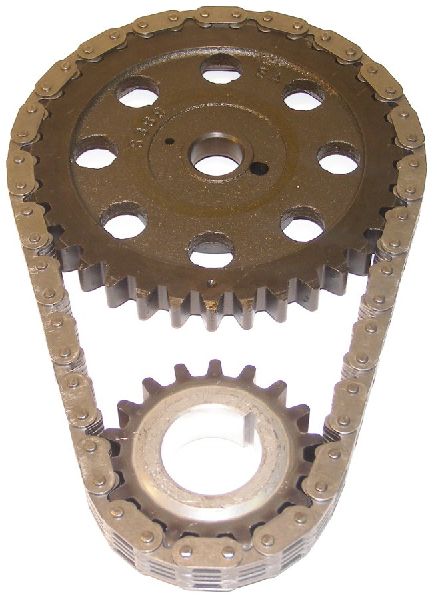
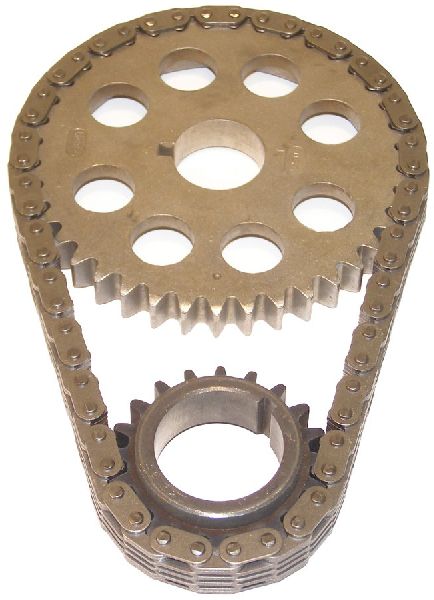

The information in this article is provided for general reference and educational purposes only. Vehicle specifications, procedures, and part compatibility can vary by production date, trim level, and region. Always consult your vehicle's factory service manual and verify part numbers before purchasing or performing repairs. Safety-critical components such as airbags, seat belts, and braking systems should be installed by a qualified professional.