

A Guide to the 1965-1975 Chevrolet Impala Ignition Coil
Keep your classic Impala running strong by understanding and choosing the right ignition coil.
- First, confirm if your Impala has the 1965-1974 external canister coil or the 1975-style HEI in-cap coil; they are not interchangeable.
- Symptoms like engine misfires, stalling, and no-start conditions are common indicators of a failing ignition coil.
- For most stock applications, a reliable OEM-quality brand like ACDelco or Standard Ignition is the best choice.
- Performance brands like MSD and Accel are great for modified engines but are often unnecessary for a standard daily driver.
Understanding Your Impala's Ignition Coil
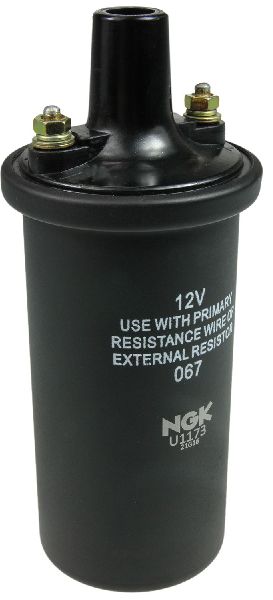
The ignition coil is a small but mighty part that acts like a transformer. For most of the 1965-1974 model years, your Impala uses an external, canister-style ignition coil that works with a points-style ignition system. This is a classic, simple setup. However, in 1975, many Impalas began using the High Energy Ignition (HEI) system, which has a more powerful ignition coil located inside the distributor cap. It's critical to know which system your car has before buying a replacement part.
Common Symptoms of a Failing Ignition Coil
A bad ignition coil can cause a range of problems, from annoying to leaving you stranded. If your coil is starting to fail, you might notice:
- Engine Misfires: The engine may sputter, shake, or hesitate, especially when you accelerate. This happens because a weak coil can't provide enough energy for a consistent spark.
- Trouble Starting: A weak or dead coil can make it hard to start the engine, or prevent it from starting at all.
- Stalling: Your engine might stall unexpectedly, especially when idling at a stoplight.
- Poor Fuel Economy: When the engine misfires, it wastes fuel, and you'll find yourself at the gas station more often.
- Backfiring: Loud popping sounds from the exhaust can occur when unburned fuel ignites in the exhaust system, a problem often linked to ignition issues.
The 1975 HEI Distinction
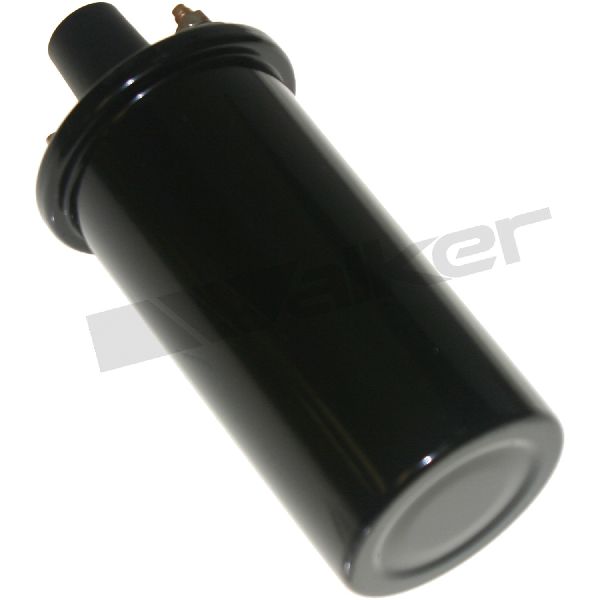
If you own a 1975 Impala, double-check your ignition system. An HEI distributor has a large cap with the ignition coil built into the top, and it does not use points or a condenser. A points-style system has a smaller distributor cap and a separate, oil-can-shaped coil mounted elsewhere in the engine bay. The parts are not interchangeable.
Choosing the Right Aftermarket Ignition Coil
For a classic car like the 1965-1975 Impala, aftermarket parts are often the only option, and many meet or exceed original specifications. The brands available can be grouped into tiers based on their intended use and reputation.
Brand Tiers for Your Impala
- Performance Brands (MSD, Accel): These brands are for owners looking to upgrade their ignition system for better performance. An MSD or high-output Accel coil can provide a stronger spark, which is beneficial for modified engines. Keep in mind, a high-performance coil may work best when paired with other upgrades like new spark plug wires and an upgraded ignition module.
- OEM-Quality Brands (ACDelco, Standard Ignition, NGK): These brands are known for reliability and are excellent choices for a daily driver or stock restoration. ACDelco is the original GM parts supplier, and their modern replacements are built to high standards. Standard Motor Products (SMP) and NGK are also highly respected names in the ignition world, offering dependable, long-lasting parts.
- Standard Replacement Brands (Spectra, DriveWire, Walker Products): These brands offer a good value for owners who need a reliable, budget-friendly replacement for a stock engine. They are designed to be direct-fit replacements that meet original equipment specifications.
Pro Tip: For a stock or lightly modified Impala with a points ignition, a quality standard replacement from a brand like ACDelco or Standard Ignition is more than sufficient. There is no need to overspend on a high-output racing coil unless you have a highly modified engine that can benefit from the extra spark energy.
| Part Type | Estimated Cost | Notes |
|---|---|---|
| New Aftermarket | $25 - $152 | Price varies by brand and type (standard vs. performance, points vs. HEI). |
| New OEM (ACDelco) | $45 - $166 | Considered a premium aftermarket brand for this vehicle age. |
| Shop Labor | $50 - $100 | Typically a very quick job, estimated at 0.5 hours of labor. |
Frequently Asked Questions
How do I test my Impala's ignition coil?
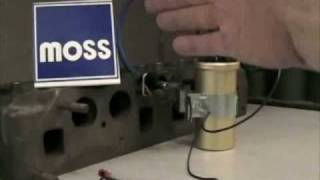
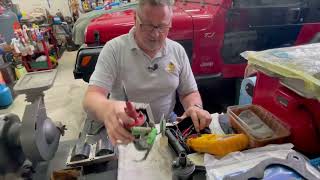
For a points-style coil, you can perform a simple test. With the key on, disconnect the small wire from the coil's negative (-) terminal that goes to the distributor. Briefly touch that wire to a good ground on the engine block. Each time you break the ground connection, a healthy coil should produce a spark from the main coil wire (if it's placed near a ground). You can also use a multimeter to check the primary and secondary resistance of the coil and compare it to specifications. 🎬 Watch this guide on testing old-school points-style ignition coils. HEI coils are tested differently, often by checking for spark at the plugs while cranking.
🎬 Learn more about how to test an ignition coil.Do I need an ignition coil with an external resistor?
Yes, most 1965-1974 Impalas with points ignition systems use a resistor wire in the harness to reduce voltage to the coil during normal operation. This protects the points from burning out. During cranking, the coil receives a full 12 volts for a hotter spark. When replacing the coil, ensure it is compatible with an external resistor system unless you have converted to a different type of ignition.
What is the difference between an oil-filled and an epoxy-filled coil?
Traditional canister coils are filled with oil to help dissipate heat. Many modern and high-performance coils are filled with epoxy. Epoxy-filled coils often have better vibration resistance and can be mounted in any position, whereas oil-filled coils should be mounted upright. For a stock application, either type will work well if it's from a quality manufacturer.
Is replacing the ignition coil a difficult job?
No, this is one of the easier jobs you can do on a classic Impala. For an external coil, it involves disconnecting the battery, unplugging a few wires, and unbolting the coil from its bracket. An HEI coil is also simple, requiring you to remove the distributor cap to access and replace the coil on top. Most DIY mechanics can complete this job in under an hour with basic hand tools.
Helpful Videos
Technical Specifications
OEM Part Numbers: 1115161 D504A
Coil Type: External Canister (1965-1974) or Internal HEI (1975). Voltage: 12V. External Resistor Required for most points-based systems.
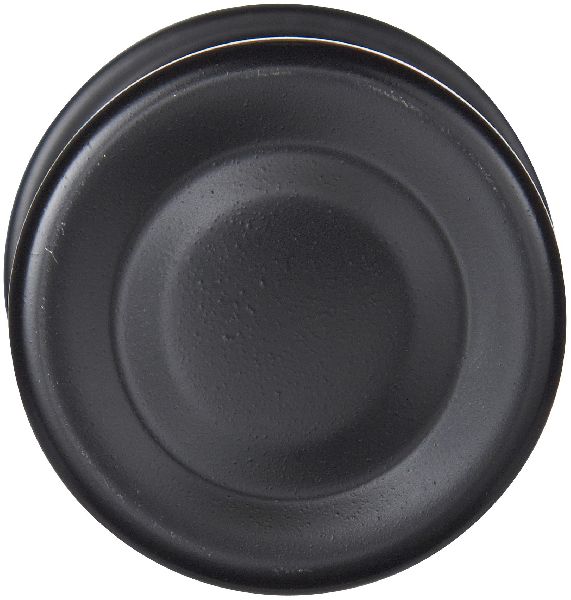
We Have This Part in Stock


The information in this article is provided for general reference and educational purposes only. Vehicle specifications, procedures, and part compatibility can vary by production date, trim level, and region. Always consult your vehicle's factory service manual and verify part numbers before purchasing or performing repairs. Safety-critical components such as airbags, seat belts, and braking systems should be installed by a qualified professional.