

A Guide to Engine Cylinder Head Bolts for the 1965-1977 Chevrolet Impala
Keep your classic Impala's engine sealed tight with the right set of new head bolts.
- Always replace head bolts during a head gasket job; it's cheap insurance against failure.
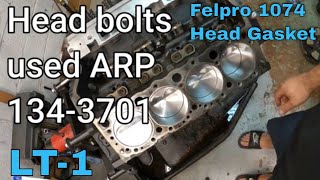
- For stock engines, brands like Fel-Pro offer reliable performance. For modified engines, ARP or Edelbrock are recommended.
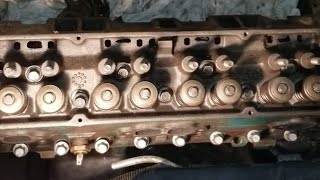
- Proper installation is critical: clean the block threads thoroughly and use a torque wrench to follow the correct multi-step sequence.
- These engines use conventional bolts, not modern Torque-to-Yield (TTY) bolts, so no angle gauge is needed.
Understanding Head Bolts in Your Classic Impala
The engines used in the 1965-1977 Chevrolet Impala, like the classic Small Block Chevy (SBC) V8s, were built with strong, reusable head bolts. Unlike modern cars that use Torque-to-Yield (TTY) bolts which stretch and must be thrown away after one use, the original bolts in your Impala were made to last. However, after 50+ years of engine heat, vibration, and potential multiple rebuilds, the original bolts can suffer from metal fatigue. For this reason, it is always recommended to install a new set of head bolts whenever you replace a head gasket or rebuild your engine.
Symptoms of a Head Bolt or Head Gasket Problem
Head bolts themselves don't usually fail suddenly. Instead, they can stretch over time, losing their clamping force. This leads to a head gasket failure, which has very clear and serious symptoms. If you notice any of these signs, you should stop driving your car immediately to prevent catastrophic engine damage.
- Engine Overheating: The temperature gauge suddenly shoots into the red.
- White Smoke from Exhaust: Sweet-smelling white smoke indicates that coolant is burning in the combustion chambers.
- Milky Engine Oil: If you check your dipstick and the oil looks like a coffee milkshake, it means coolant is mixing with your oil. This is very damaging to engine bearings.
- External Leaks: You might see oil or coolant seeping from the seam where the cylinder head meets the engine block.
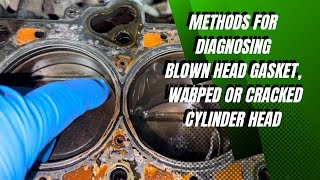
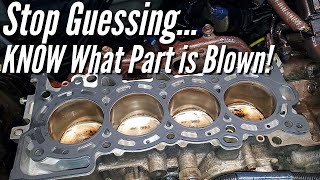
- Loss of Power: The engine may run rough or feel down on power due to a loss of compression in one or more cylinders. 🎬 Watch: 12 different ways to test for a blown head gasket.
Can I Drive with a Blown Head Gasket?
No. Driving with the symptoms of a failed head gasket will quickly lead to severe and expensive engine damage, such as warped cylinder heads, damaged bearings, or a cracked block.
Choosing the Right Aftermarket Head Bolt Set
Since original GM bolts are no longer available, you will be choosing from aftermarket brands. They generally fall into two categories: high-performance and standard replacement.
High-Performance Brands (ARP, Edelbrock)
These brands are the top choice for engine builders and enthusiasts. They are made from superior materials and offer the highest level of strength and reliability. If you have a modified engine (e.g., with a performance camshaft, aluminum heads, or higher compression) or simply want the best possible parts for peace of mind, these are the brands to choose.
- ARP: Widely considered the industry standard for high-performance fasteners. Their bolts are significantly stronger than original bolts and provide very consistent clamping force.
- Edelbrock: A legendary name in performance parts. Their head bolt kits are an excellent choice, especially if you are also using their cylinder heads or other components.
Standard Replacement Brands (Fel-Pro, Mr. Gasket, Pioneer, etc.)
These brands offer quality bolts that meet or exceed original factory specifications. They are a perfect choice for a stock or mildly rebuilt engine used for regular driving.
- Fel-Pro: Famous for their gaskets, Fel-Pro also makes reliable head bolt sets that are trusted by professional mechanics for stock engine repairs.
- Mr. Gasket, Pioneer, Reinz, Victor Gaskets: These brands provide dependable, budget-friendly options for a standard engine rebuild. They are a solid upgrade over reusing old, fatigued original bolts.
Pro Tip: Bolts vs. Studs
You may see head studs available. Studs thread into the block and stay there, and a nut is used to clamp the head. While they provide slightly more accurate torque, they can make it impossible to remove the cylinder head while the engine is in the car, especially on the driver's side where the brake booster is close. For most Impala owners, a quality set of new head bolts is the more practical and recommended choice.
Estimated Costs for Head Bolt Replacement
Replacing head bolts is part of a larger head gasket replacement job. The bolts themselves are a small part of the total cost, which is dominated by labor.
| Part/Service | Estimated Cost |
|---|---|
| New Aftermarket Head Bolt Set | $40 - $162 |
| Head Gasket Set | $50 - $150 |
| Shop Labor | $1000 - $2000+ |
| Total Job Cost | $1100 - $2300+ |
Note: Labor costs vary significantly by location and shop. This job is very labor-intensive. 🎬 See a step-by-step walkthrough of a Small Block Chevy head gasket replacement.
Frequently Asked Questions
Do I really need to replace my head bolts?
Yes. While the original bolts were technically reusable, they have been through countless heat cycles and stress over 50+ years. Reusing them creates a high risk of them stretching or breaking, which will cause your new head gasket to fail. New bolts are cheap insurance for an expensive job.
What is the most common mistake when installing head bolts?
The most common mistakes are not cleaning the bolt holes in the engine block properly and not using the correct torque sequence. Debris or old oil in the holes can prevent the bolts from seating correctly, leading to inaccurate torque readings and a failed gasket. Always follow the crisscross torque pattern specified for your engine, tightening in 3 steps to the final torque value.
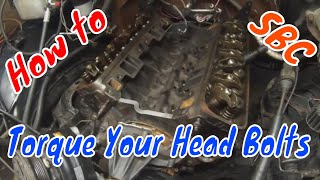
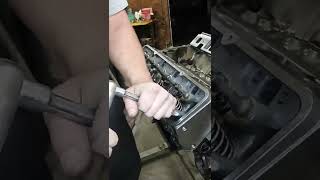
🎬 Watch: The proper torque sequence and process for SBC head bolts.Do I need a special tool to install these bolts?
You will need a high-quality, calibrated torque wrench. This is absolutely essential for this job. For the engines in 1965-1977 Impalas, you do NOT need a torque angle gauge, which is used for modern TTY bolts.
Should I put oil or sealer on the new bolts?
Yes. On a Small Block Chevy, some head bolts go into "blind" holes, while others go into the water jacket. It is critical to apply a thread sealer (like a PTFE paste) to the threads of bolts that enter the water jacket to prevent coolant leaks. For all bolts, a small amount of motor oil or the assembly lube provided with the bolts should be applied under the bolt head and on the threads of bolts going into blind holes to ensure a smooth, accurate torque reading.
Helpful Videos
Technical Specifications
Bolt type: Conventional (non-TTY), hex head. Material: High-strength steel or chromoly alloy. Kits will include bolts of various lengths to match the specific requirements of the Small Block Chevrolet cylinder heads.
We Have This Part in Stock


The information in this article is provided for general reference and educational purposes only. Vehicle specifications, procedures, and part compatibility can vary by production date, trim level, and region. Always consult your vehicle's factory service manual and verify part numbers before purchasing or performing repairs. Safety-critical components such as airbags, seat belts, and braking systems should be installed by a qualified professional.
- 🎬 Helpful Videos
- 🛍️ Shop This Part
- Understanding Head Bolts in Your Classic Impala
- Symptoms of a Head Bolt or Head Gasket Problem
- Can I Drive with a Blown Head Gasket?
- Choosing the Right Aftermarket Head Bolt Set
- High-Performance Brands (ARP, Edelbrock)
- Standard Replacement Brands (Fel-Pro, Mr. Gasket, Pioneer, etc.)
- Pro Tip: Bolts vs. Studs
- Estimated Costs for Head Bolt Replacement
- Frequently Asked Questions
- 🎟️ Get 5% Off