

A Dodge Dart Owner's Guide to Choosing a Replacement Ignition Coil (1965-1977)
Keep your classic Dart's engine firing strong by understanding how to pick the right new ignition coil.
- Match the new coil to your ignition system (points or electronic) and always use a coil designed for an external ballast resistor.
- For a stock daily driver, a quality standard replacement from a brand like Standard Ignition or NGK is a reliable and cost-effective choice.
- Consider a performance coil from MSD or Accel if you have a modified engine, but it's not required for a stock setup.
- It is highly recommended to inspect or replace the inexpensive ballast resistor when you replace your ignition coil.
Symptoms of a Failing Ignition Coil
An ignition coil rarely just stops working without warning. Usually, it will give you signs that it's getting weak. If you notice any of these problems with your Dart, a failing coil could be the reason.
- Engine Won't Start: The most serious symptom. The engine may crank but never fire up, or it might be very hard to start. This happens because there isn't enough voltage to create a spark.
- Stalling: Your engine might start fine but then suddenly shut off while you're driving or idling at a stoplight. This can be dangerous.
- Misfiring or Rough Idle: The engine may shake, sputter, or sound uneven, especially when you're stopped. This can feel like the car is jerking or hesitating.
- Poor Performance and Power Loss: You might feel like your Dart is sluggish and doesn't accelerate like it used to. This is common when the coil can't provide a consistent, strong spark.
- Backfiring: A loud bang from the exhaust can be caused by unburned fuel exploding in the exhaust system. A weak spark from a failing coil is a common cause.
- Worse Gas Mileage: If your coil isn't working right, the engine becomes inefficient and burns more fuel to do the same amount of work.
What's a Ballast Resistor?
Your Dart's ignition system includes a small ceramic block called a ballast resistor. Its job is to reduce the voltage going to the coil while the engine is running to prevent it from overheating. When you're starting the car, the resistor is bypassed to give the coil a full 12 volts for a stronger spark. This part is critical. When you replace your coil, it's a good idea to inspect or replace the ballast resistor too. They are inexpensive and a common failure point.
Choosing the Right Aftermarket Ignition Coil
Since new original Mopar coils for this era are no longer made, you'll be choosing from aftermarket brands. The most important thing is to buy a coil that matches your Dart's ignition system—either the original points-style system or the Mopar electronic ignition system that became standard around 1973. Mixing and matching parts can cause problems.
Brand Tiers for Dodge Dart
Not all brands are created equal. Here’s a breakdown of the available options, from reliable daily-driver parts to high-performance upgrades.
Tier 1: Performance Brands (Accel, MSD)
These brands are for owners looking for a high-output spark for modified engines or just extra peace of mind. They are more expensive but offer higher voltage ratings.
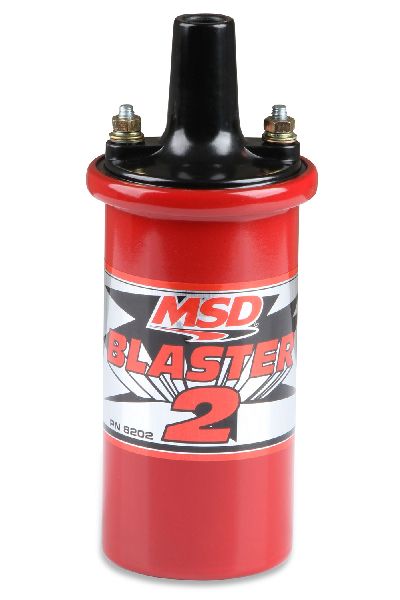
- MSD: The MSD Blaster 2 coil is a very popular and trusted upgrade for Mopar electronic ignitions. It's known for reliability but must be used with the factory ballast resistor to work correctly.
- Accel: Accel offers several performance coils, including the iconic yellow "Super Coil." While some users praise them, others in classic car forums have reported mixed reliability over the years.
Tier 2: Standard Replacement Brands (Standard Ignition, NGK, Spectra)
These brands are the go-to for most owners. They offer good quality and reliability that meets or exceeds original factory specs for a stock or lightly modified engine.
- Standard Ignition (SMP): For decades, Standard has been a trusted name for American-made car parts. They are a solid choice for a stock replacement coil that will perform reliably. Some users note their coils can be slightly larger than the original, sometimes requiring you to gently bend the mounting bracket for a perfect fit.
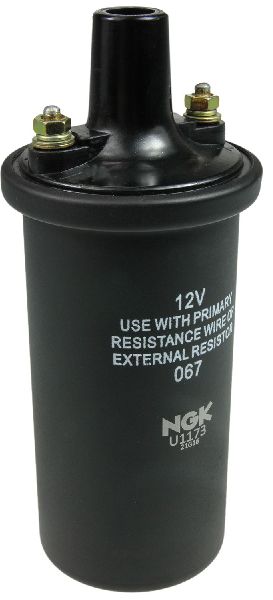
- NGK & Spectra: Both are well-regarded brands in the aftermarket that offer dependable, stock-style replacement coils.
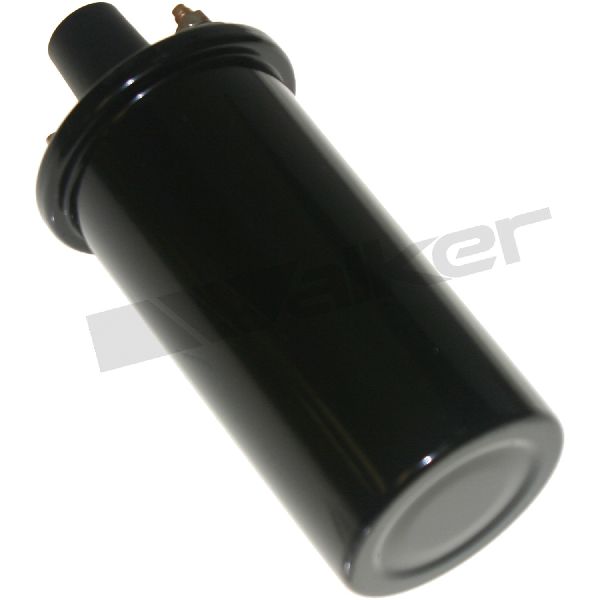
Tier 3: Economy Brands (DriveWire, Global Parts, WAI Global, Walker Products)
These brands focus on providing the lowest price. They can be a good option if budget is your main concern, but their long-term durability and performance may not match the higher-tier brands. For a critical part like the ignition coil, it's often worth spending a little more for a brand with a proven track record.
A Note on "Internal Resistor" Coils
You may see coils advertised as having an "internal ballast resistor" or not requiring an external one. Avoid these for a stock Mopar ignition system. Using one of these coils will disable the starting-bypass circuit that gives your engine a hot spark for easier starting. Always use a coil designed for an external ballast resistor, as your Dart was originally designed.
Frequently Asked Questions
Do I need a high-performance coil like an MSD for my stock Dart?
No. While a performance coil works great, it's not necessary for a stock or mildly modified engine. A quality standard replacement from a brand like Standard Ignition or NGK will provide plenty of spark for reliable daily driving. A high-voltage coil only provides as much energy as is needed to create the spark; it won't create more horsepower on its own.
Should I replace anything else with my ignition coil?
Yes. It's highly recommended to inspect and consider replacing the ballast resistor at the same time. It's an inexpensive part that is crucial to the coil's operation and longevity. Also, check your coil wire and spark plug wires for cracks or damage.
What's the difference between an oil-filled and an epoxy-filled coil?
Traditional canister coils are filled with oil to help cool the internal windings. Modern performance coils, like the MSD Blaster 2, are often filled with a solid epoxy. The epoxy is better at handling vibrations and can be mounted in any position (even upside down), whereas oil-filled coils should always be mounted upright.
How do I know if I have a points or electronic ignition?
The easiest way is to look at the distributor. Take off the distributor cap. If you see a small, mechanical switch that opens and closes (the "points") and a small cylinder (the "condenser"), you have a points system. If you see a star-shaped wheel and a magnetic sensor (the "pickup coil"), you have an electronic ignition. Most Darts from 1973 and later came with electronic ignition from the factory.
Technical Specifications
OEM Part Numbers: 2444241 2495531 3874001
The key specification to check is the primary resistance. For Mopar electronic ignition systems, a coil with a primary resistance between 1.4 and 1.7 ohms is typically recommended when used with the factory ballast resistor.
We Have This Part in Stock


The information in this article is provided for general reference and educational purposes only. Vehicle specifications, procedures, and part compatibility can vary by production date, trim level, and region. Always consult your vehicle's factory service manual and verify part numbers before purchasing or performing repairs. Safety-critical components such as airbags, seat belts, and braking systems should be installed by a qualified professional.