

Ford Bronco Starter Guide: Understanding, Diagnosing, and Replacing (1966-1971)
If your classic Bronco clicks but won't start, this guide will help you figure out if you need a new starter.
- Many starting issues on early Broncos are caused by bad grounds, corroded cables, or the fender-mounted solenoid, not the starter itself.
- Replacing the starter is a straightforward DIY job that typically takes less than two hours with basic tools.
- Upgrading to a modern, high-torque mini-starter is a popular choice for better performance and easier installation.
- Always confirm the correct starter for your specific engine and transmission (manual or automatic) as they can differ.
Is Your Bronco Starter Failing?
A bad starter will leave you stranded. But on a classic Bronco, many other issues can mimic a failed starter. Before you blame the starter, always check the simple things first. The 1966-1971 Broncos are known for electrical gremlins caused by age, corrosion, and loose connections.
Common Symptoms of a Bad Starter
- Single Loud Click, No Crank: You turn the key and hear one solid "click" from under the truck, but the engine doesn't turn over. This can be a failed starter, but it's more often a bad starter solenoid or a poor electrical connection.
- Grinding Noise: A loud grinding or whirring sound during or after cranking can mean the starter gear is not engaging properly with the flywheel or is failing to retract.
- Slow, Labored Cranking: If the engine turns over very slowly, like the battery is weak, it could be a sign of a failing starter drawing too much power. This can also be caused by bad battery cables or a weak battery.
- No Sound at All: You turn the key and get nothing. This could be a completely dead starter, but it's also a classic symptom of a dead battery, a failed ignition switch, or a bad solenoid.
- Smoke or Burning Smell: Smoke coming from the starter motor indicates a serious electrical short inside the starter. Disconnect the battery immediately to prevent a fire.
Choosing the Right Aftermarket Starter
For a vehicle of this age, a true "new old stock" Ford starter is rare and expensive. Your realistic options are new aftermarket starters or remanufactured units. Both can be good choices, but quality varies between brands.
Brand Tiers
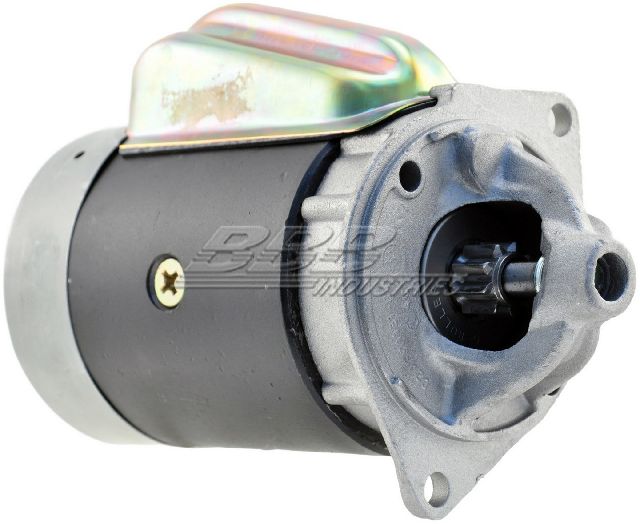
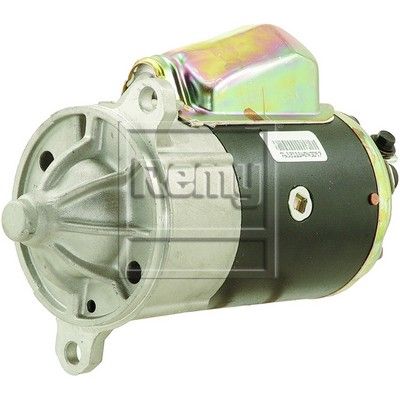
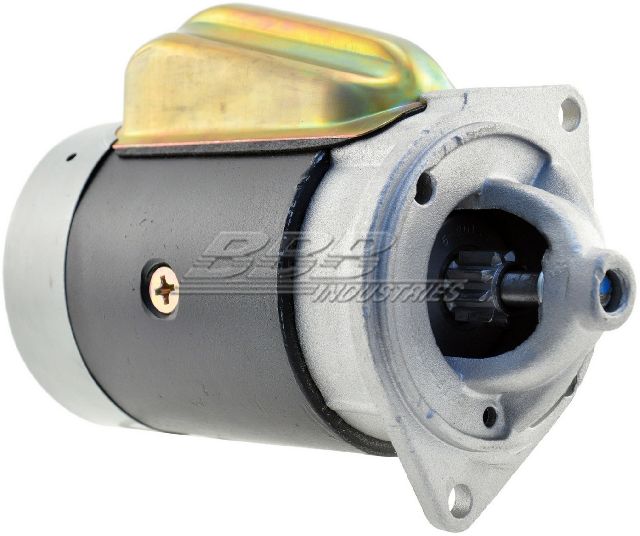
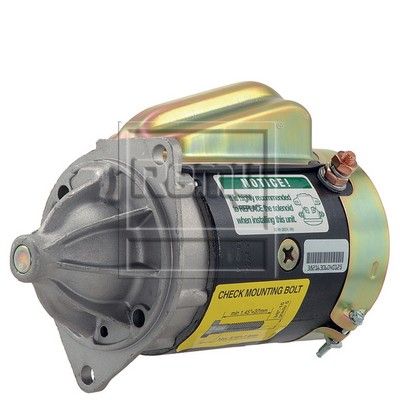
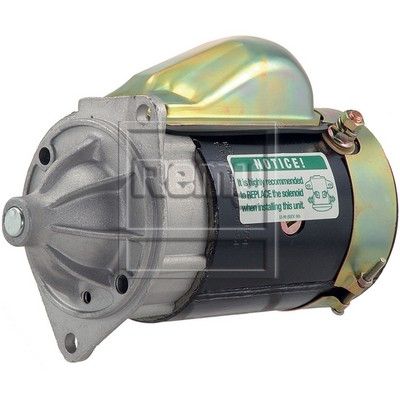
When shopping for a starter, you'll find brands like BBB Industries and Remy widely available.
- New Aftermarket (Remy, etc.): Brands like Remy offer brand-new starters that often feature modern designs, such as a higher-torque, gear-reduction setup in a smaller package. These can provide faster cranking speeds, which is a nice upgrade. User reviews are generally positive, though quality can sometimes be inconsistent with any aftermarket part.
- Remanufactured Aftermarket (BBB Industries, etc.): BBB Industries is a major supplier that remanufactures starters to meet original equipment (OE) specifications. This means an old starter core is completely disassembled, cleaned, inspected, and rebuilt with new or reconditioned parts. They are a cost-effective and reliable option for a stock replacement.
Estimated Replacement Costs
Replacing the starter on a 1966-1971 Bronco is a relatively simple job. The part is easy to access, keeping labor costs down if you take it to a shop.
| Part or Service | Estimated Cost |
|---|---|
| New Aftermarket Starter | $118.50 - $156.42 |
| Remanufactured Starter | $75 - $150 |
| Motorcraft Service Part | $110 - $160 |
| Shop Labor | $120 - $200 |
Frequently Asked Questions (FAQ)
Can I replace the starter myself?
Yes, this is a great job for a DIY mechanic. The starter is held on by two bolts and is located on the passenger side of the engine where it meets the transmission. You will need basic hand tools, a jack, and jack stands. Always disconnect the battery's negative terminal 🎬 Watch: This video walkthrough shows you how to replace the starter. before starting work.
Is the problem my starter or my solenoid?
It can be hard to tell. A clicking solenoid on the fender means it's getting the signal from the key, but it might not be sending power to the starter. A common test is to carefully use a remote starter switch or bridge the two large posts on the solenoid with an old screwdriver. If the starter cranks, the solenoid is likely bad. If it still just clicks or does nothing, the problem is likely the starter or the main battery cables. Use caution, as this will create sparks.
Do I need to check for recalls or TSBs?
No recalls or specific Technical Service Bulletins (TSBs) related to the starter were found for the 1966-1971 Ford Bronco. Most issues are related to the age of the components, poor connections, or bad grounds.
What's the difference between a starter for a manual vs. an automatic transmission?
For some classic Fords, starters for manual and automatic transmissions have different "noses" or drive gear depths. It is critical to order the correct part for your specific transmission to ensure the starter gear engages the flywheel (manual) or flexplate (automatic) correctly. Always verify the fitment for your exact year and engine/transmission combination.
Helpful Videos
Technical Specifications
System includes a fender-mounted starter solenoid/relay separate from the starter motor. Starters are specific to engine size (I6 vs. V8) and transmission type (manual vs. automatic). The stock starter is a large, direct-drive unit, while many aftermarket replacements are smaller, gear-reduction, high-torque designs.
We Have This Part in Stock

The information in this article is provided for general reference and educational purposes only. Vehicle specifications, procedures, and part compatibility can vary by production date, trim level, and region. Always consult your vehicle's factory service manual and verify part numbers before purchasing or performing repairs. Safety-critical components such as airbags, seat belts, and braking systems should be installed by a qualified professional.