

Accessory Drive Belts for the 1966-1972 Ford Bronco
Keep your classic Bronco's engine accessories running reliably by choosing the right V-belts.
- Confirm your Bronco's engine (I6 or V8) and accessories (power steering) before ordering to ensure you get the correct V-belts.
- Your 1966-1972 Bronco uses multiple V-belts, not a single serpentine belt like modern vehicles.
- Reputable aftermarket brands like Gates, Dayco, and Continental offer excellent quality replacements.
- Replacing belts is a straightforward DIY task that can prevent major issues like overheating or a dead battery.
Understanding Your Bronco's V-Belt System
The first-generation Ford Bronco (1966-1972) relies on a straightforward V-belt system to power its accessories. These belts sit in V-shaped grooves on the pulleys of the crankshaft, water pump, alternator, and power steering pump. The number of belts and their specific lengths depend on your Bronco's engine—whether it's a 6-cylinder (170ci or 200ci) or a V8 (289ci or 302ci)—and which accessories are installed. It's a durable system, but these belts are wear items that require inspection and periodic replacement.
Symptoms of a Failing Accessory Drive Belt
A worn or failing V-belt will almost always give you a warning sign before it breaks. Ignoring these signs can lead to a dead battery, engine overheating, or a loss of power steering.
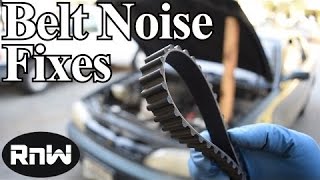
- Squealing Noises: This is the most common symptom. A high-pitched squeal, especially on startup, during acceleration, or when turning the steering wheel, often means a belt is loose or glazed (hardened and shiny) and slipping on the pulleys. 🎬 Watch: How to diagnose and fix belt squealing noises
- Visible Damage: Inspect your belts regularly. Look for cracks, fraying, missing chunks (cogs), or a shiny, glazed appearance on the sidewalls. Any visible damage means the belt's integrity is compromised and it should be replaced.
- Accessory Problems: If your headlights seem dim at idle, your battery isn't staying charged, the temperature gauge climbs higher than normal, or steering becomes difficult, a slipping or broken belt could be the culprit.
Pulley Alignment is Critical
On these classic Broncos, especially those with added accessories like power steering, pulley alignment is a common issue that can destroy new belts quickly. If your belts wear out prematurely, check that all pulleys are on the same plane using a straightedge. Misalignment will cause the belt to wear on its edge and eventually fail.
Choosing the Right Aftermarket Belts
For a vehicle of this era, OEM belts from Ford are no longer in production. However, top-tier aftermarket brands produce high-quality V-belts that meet or exceed original specifications. You don't need to worry about a drop in quality when choosing a reputable aftermarket brand.
Brand Quality Tiers:
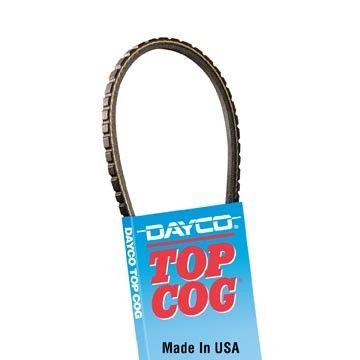
- Tier 1 (Excellent Quality): Gates, Dayco, and Continental are all highly regarded manufacturers that supply parts to automakers directly. Forum discussions among classic vehicle owners show a general preference for Gates, but all three brands are considered reliable choices. Dayco specifically notes that their modern EPDM rubber belts are more durable and resistant to noise than older designs.
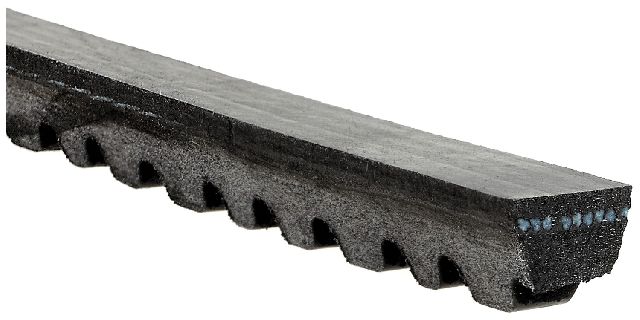
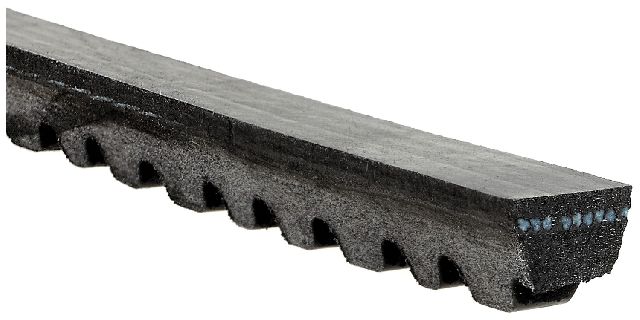
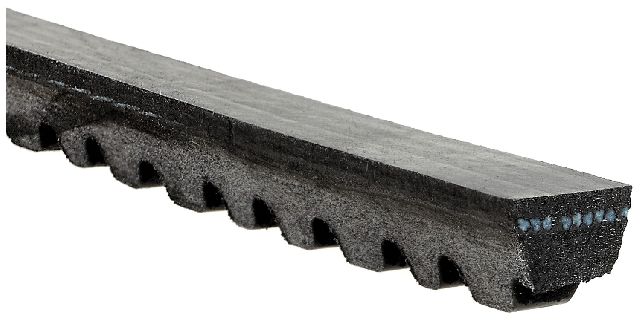
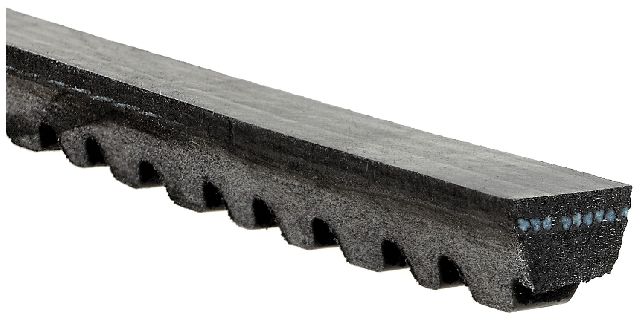
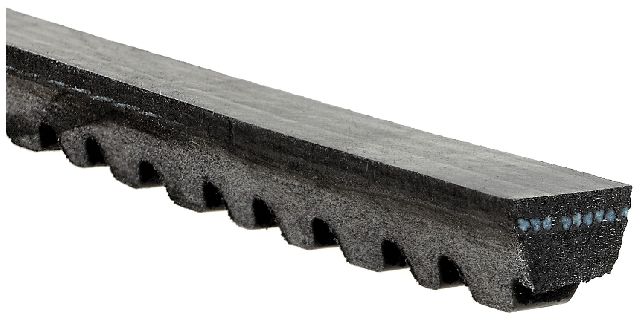
- Construction: You may see "cogged" V-belts available. These belts have notches on the underside, which allow them to bend more easily around smaller pulleys and can help them run cooler, potentially increasing their lifespan. They are a good upgrade for any application.
Pro Tip: Buy the Right Size
The single most important factor is getting the correct belt length and width for your specific engine and accessory combination. Measure your old belts or check a parts catalog carefully. An incorrect belt will either not fit or will not tension correctly, leading to slippage or premature failure.
Estimated Replacement Cost
| Part Type | Estimated Cost |
|---|---|
| New Aftermarket Belts (per belt) | $7.33 - $36.55 |
| Shop Labor | $75 - $150 |
| Total Estimated Cost | $90 - $225 |
Cost estimates are for parts and labor and may vary based on location and the number of belts being replaced.
Frequently Asked Questions
How many belts does my 1966-1972 Bronco have?
It depends on your setup. A basic engine with just an alternator and water pump will have one belt. If you have power steering, you will have a second belt. Aftermarket air conditioning could add a third. You must confirm your specific configuration.
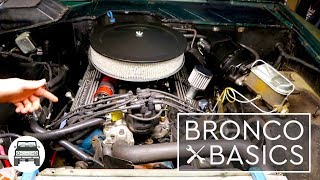
🎬 Watch: A beginner's guide to Bronco belts and hosesWhat's the difference between a V-belt and a serpentine belt?
Your classic Bronco uses multiple, thick V-belts. Modern cars use a single, flat, ribbed serpentine belt that winds its way around all the accessories. V-belt systems are simpler, but require proper tensioning for each individual belt.
Can I replace the belts myself?
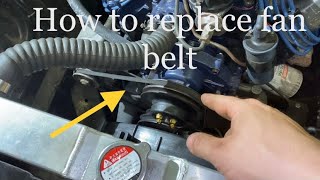
Yes, this is a very DIY-friendly job. It typically requires basic hand tools to loosen the alternator and/or power steering pump to release tension, swap the belts, and then re-tension them. The most difficult part is often applying the right amount of tension 🎬 See this walkthrough on replacing a Ford 302 fan belt without over-tightening.
How tight should the belts be?
A common rule of thumb is that on the longest span of the belt, you should be able to press it down with your thumb about half an inch. Too loose, and it will slip and squeal. Too tight, and you can cause premature wear on the bearings inside your alternator, water pump, or power steering pump.
Were there any recalls for the accessory belts on these Broncos?
No recalls or Technical Service Bulletins (TSBs) were found from the National Highway Traffic Safety Administration (NHTSA) related to the accessory drive belts for the 1966-1972 Ford Bronco.
Helpful Videos

Technical Specifications
System uses multiple V-belts. The number of belts, length, and width vary based on the engine (170/200 I6, 289/302 V8) and factory or aftermarket accessories like power steering and A/C.
We Have This Part in Stock

The information in this article is provided for general reference and educational purposes only. Vehicle specifications, procedures, and part compatibility can vary by production date, trim level, and region. Always consult your vehicle's factory service manual and verify part numbers before purchasing or performing repairs. Safety-critical components such as airbags, seat belts, and braking systems should be installed by a qualified professional.