

Choosing the Right Distributor Cap for Your 1966-1973 Chevrolet Caprice
Keep your classic Caprice running smoothly by understanding how to pick the best new distributor cap for its ignition system.
- A failing distributor cap causes issues like misfires, hard starting, and stalling.
- Replacement is a simple DIY job; transfer plug wires one-by-one to the new cap to maintain firing order.
- For a stock engine, ACDelco or a premium aftermarket brand like Standard Ignition with brass contacts are reliable choices.
- Always replace the distributor rotor at the same time as the cap for a complete tune-up.
Signs of a Failing Distributor Cap on Your Caprice
A distributor cap is a wear-and-tear item. Heat and high voltage eventually cause the plastic to crack and the metal contacts to corrode. When your Caprice's distributor cap starts to fail, you'll notice. Look for these common symptoms:
- Engine Misfires or Rough Idle: The engine may shake, stumble, or run unevenly, especially when idling. This can be caused by cracks or corrosion preventing a strong spark.
- Hard Starting: The car may take longer than usual to start, or it might crank without starting at all. This can happen if moisture gets inside a cracked cap or if the center terminal is worn.
- Stalling or Backfiring: The engine might stall unexpectedly, or you may hear popping sounds from the exhaust. This points to inconsistent spark delivery.
- Loss of Power: Your car may feel sluggish and hesitate when you accelerate.
Check for Physical Damage
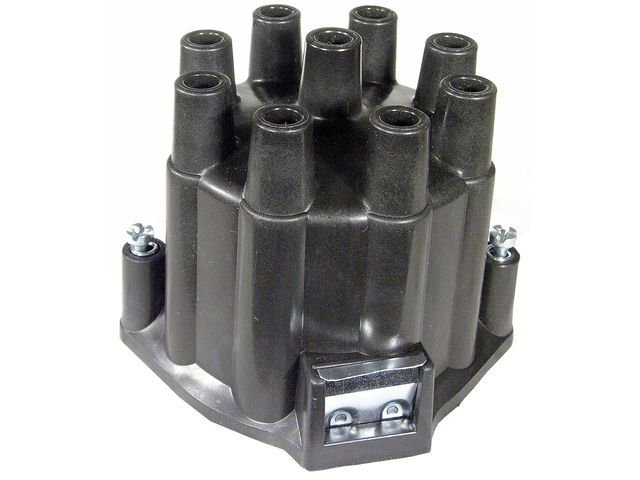
A visual inspection can tell you a lot. Open the hood and locate the distributor cap—it's a plastic cap (often black or brown) with the spark plug wires connected to it. Look for cracks, carbon dust (which looks like black soot), or white corrosion on the metal terminals inside and out. If you see any of these, it's time for a replacement.
Choosing the Right Aftermarket Distributor Cap
For a classic vehicle like the 1966-1973 Caprice, you have several excellent aftermarket options. Original "OEM" parts are no longer made, but brands like ACDelco were the original suppliers. High-quality aftermarket parts often meet or exceed the original specifications.
Brand Tiers for Your Classic Chevy
Tier 1: Premium Aftermarket & OEM-Equivalent
- ACDelco: As the original equipment supplier for General Motors, ACDelco is a trusted and reliable choice. An ACDelco cap is designed to provide the original fit, form, and function. For a stock engine, this is often the go-to recommendation.
- Standard Ignition (Blue Streak): Standard is a well-respected aftermarket brand. Their premium Blue Streak line is known for quality. Forum users often recommend caps with brass contacts for better conductivity and corrosion resistance, a feature found in some premium lines.
Tier 2: Performance Upgrade
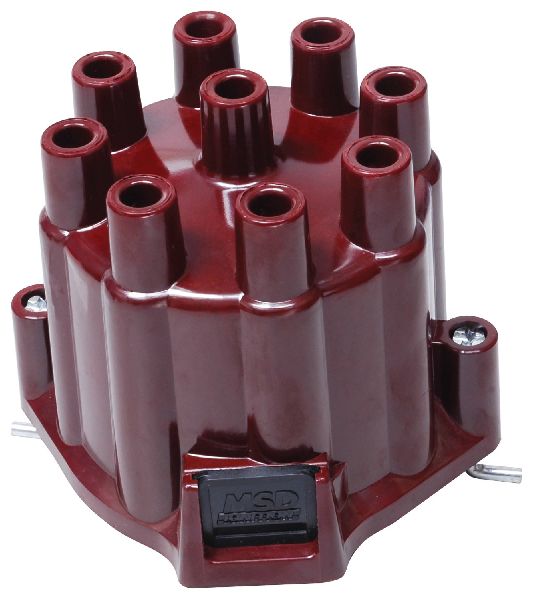
- MSD: MSD is a performance-focused brand. While they make high-quality ignition components, their parts are generally geared toward modified or racing engines. For a stock or mildly modified Caprice, an MSD cap might be overkill, and some classic car owners prefer the reliability of OEM-style parts for daily driving.
Tier 3: Standard Replacement
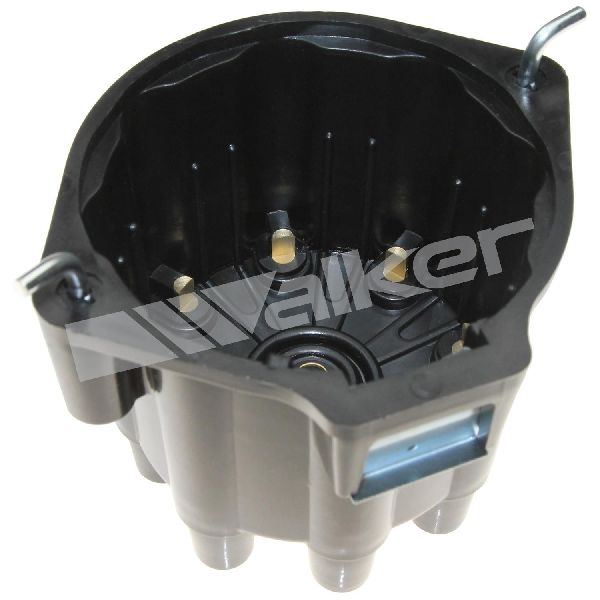
- Walker Products: Walker is a known aftermarket manufacturer that produces parts designed to meet or exceed OE specifications. These are a solid, budget-friendly choice for a standard replacement to get your car back on the road reliably.
Brass vs. Aluminum Contacts
When shopping, you'll see caps with either aluminum or brass contacts (terminals). Brass is a better conductor and is more resistant to corrosion. For long-term reliability and a stronger spark, a cap with brass terminals is generally worth the small extra cost.
| Part Type | Typical Price Range | Notes |
|---|---|---|
| New Aftermarket | $24.44 - $82.95 | Price varies by brand and features like brass contacts. Includes brands from standard to premium/performance. |
| New OEM (NOS) | $75 - $200+ | "New Old Stock" parts are rare and expensive. Not necessary for good performance. |
| Shop Labor | $40 - $70 | This is a quick job for a mechanic, typically taking less than an hour. |
Frequently Asked Questions
Is replacing a distributor cap a DIY job?
Yes, absolutely. This is a beginner-level task that requires only basic hand tools like a screwdriver. The job takes less than an hour. The most important step is to transfer the spark plug wires from the old cap to the new one, one at a time, to ensure they stay in the correct order.
Should I replace the rotor at the same time?
Yes. The rotor is the spinning part inside the cap that distributes the spark. It wears out just like the cap does. Most experts recommend replacing the cap and rotor together as a set to ensure a complete and lasting repair.
Were there any recalls for the 1966-1973 Caprice distributor cap?
No. Searches of the National Highway Traffic Safety Administration (NHTSA) database and other records show no recalls or technical service bulletins (TSBs) related to the distributor cap for this vehicle. Recalls for GM ignition systems primarily affect much newer vehicles and are related to the ignition switch, not the distributor cap.
How do I make sure I order the right cap for my engine?
The 1966-1973 Caprice came with several different V8 engines. While many use the same distributor cap, it's crucial to verify the fitment for your specific engine size (e.g., 5.7L 350, 6.6L 400, 7.4L 454). Use your vehicle's year and engine information when ordering to guarantee you get the correct part.
Technical Specifications
The key choice is between caps with standard aluminum terminals and premium caps with brass terminals. Brass offers better conductivity and corrosion resistance. Ensure the cap is listed as compatible with your specific V8 engine size for the 1966-1973 model years.
We Have This Part in Stock


The information in this article is provided for general reference and educational purposes only. Vehicle specifications, procedures, and part compatibility can vary by production date, trim level, and region. Always consult your vehicle's factory service manual and verify part numbers before purchasing or performing repairs. Safety-critical components such as airbags, seat belts, and braking systems should be installed by a qualified professional.