

Mercury Capri Accessory Drive Belt: A Comprehensive Guide (1970-1973)
Keep your classic Capri running smoothly by understanding its essential accessory drive belts.
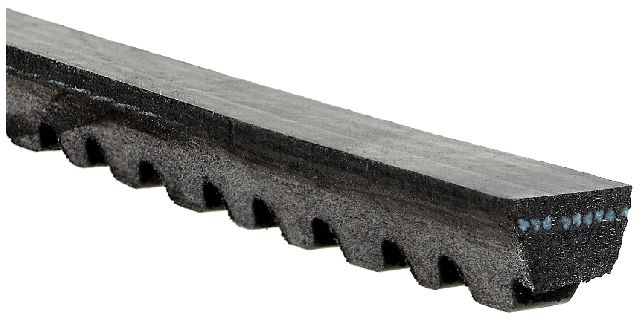
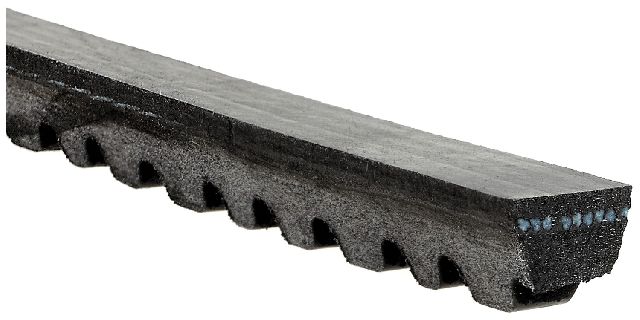
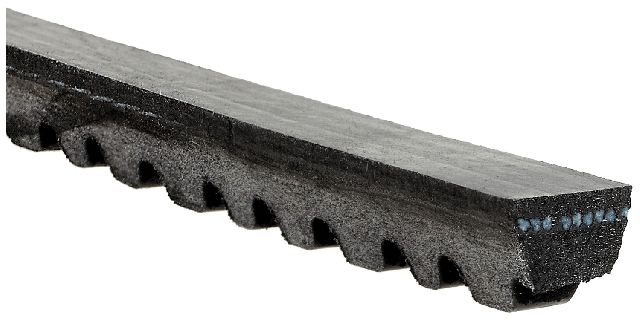
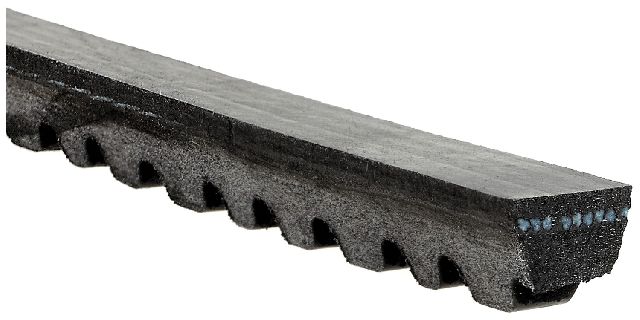
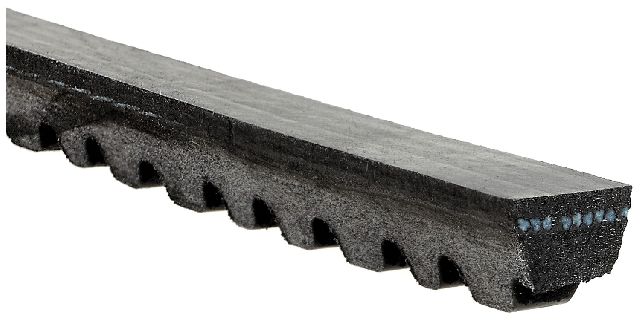
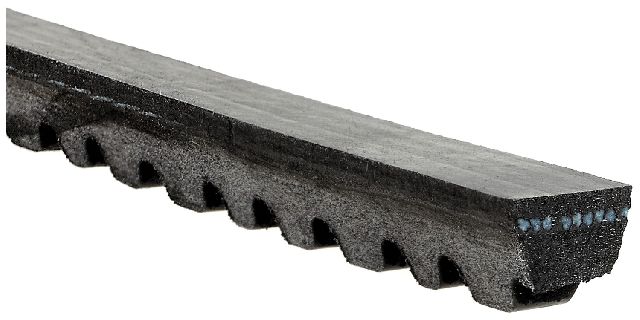
- Your Capri uses V-belts, not a modern serpentine belt; you may have more than one.
- Inspect belts annually for cracks and wear; replace based on condition or every 4-5 years.
- Squealing is the most common warning sign of a worn or loose belt.
- If a belt breaks, the engine will quickly overheat; pull over immediately to prevent damage.
- Replacement is a simple DIY task for most owners with basic tools.
Understanding Your Capri's Accessory Drive Belt
The 1970-1973 Mercury Capri uses a V-belt system, which is different from the single serpentine belts found on modern cars. Depending on your engine (like the 1.6L Kent, 2.0L Pinto, or 2.6L Cologne V6) and options, you may have one or more V-belts. These belts are wear items, meaning they are made of rubber compounds that degrade over time and require regular inspection and replacement. A failing belt can leave you stranded, so it's a critical maintenance item for any classic car owner.
Symptoms of a Failing Accessory Drive Belt
A worn or failing belt will usually give you warning signs. Ignoring them can lead to a sudden breakdown. Be alert for the following:
- Squealing Noises: A high-pitched squeal, especially on startup or when the engine is under load, is the most common symptom. This is often caused by a loose or glazed belt slipping on the pulleys.
- Visible Wear: Inspect your belts regularly. Look for cracks, fraying, missing chunks, or a shiny, glazed appearance on the sides. Any visible damage means the belt should be replaced immediately.
- Accessory Problems: If your battery light comes on, your temperature gauge rises quickly, or your power steering feels heavy, the belt may have failed. A broken belt means the alternator and water pump are no longer turning.
Warning: Do Not Drive with a Broken Belt
If a belt breaks, pull over immediately. Continuing to drive will cause the engine to overheat rapidly, which can lead to severe and expensive engine damage, such as a warped cylinder head or blown head gasket.
Choosing the Right Aftermarket Belt
For a vehicle of this age, new OEM (Original Equipment Manufacturer) belts from Ford are generally unavailable. High-quality aftermarket belts are the standard and are readily available. The key is choosing the correct size and a reputable brand.
- Good Quality (Tier 1): Brands like Gates, Continental, and Dayco are well-regarded manufacturers that often supply belts to carmakers directly. For a critical part like a drive belt, these brands offer reliability and peace of mind. Forum discussions among classic car owners show a general preference for Gates, but Dayco and Continental are also considered reliable choices.
- Standard Quality (Tier 2): Store brands can be a budget-friendly option. However, for a classic vehicle that may not be driven daily, a higher-quality belt is recommended for its durability and longevity.
Pro Tip: Fitment is Everything
For V-belts, correct tension and proper seating in the pulley grooves are more important than brand choice. An incorrect or poorly tensioned belt will fail quickly, regardless of its quality. Always double-check the part numbers for your specific engine and accessory combination.
Known Issues, Recalls, and Service Bulletins
There are no specific recalls or Technical Service Bulletins (TSBs) from the NHTSA related to the accessory drive belts on the 1970-1973 Mercury Capri. Any issues you encounter will almost certainly be due to the age and wear of the rubber components. The most common problem is belt squeal caused by improper tension or pulley misalignment.
Frequently Asked Questions (FAQ)
How often should I replace my accessory drive belt?
For a classic car, it's best to inspect the belts annually and replace them every 4-5 years, regardless of mileage, due to age-related rubber degradation. Replace them immediately if you see any signs of cracking, fraying, or glazing.
Can I replace the belt myself?
Yes, this is a very DIY-friendly job for a 1970-1973 Capri. The engines are simple and easy to access. You will need basic hand tools to loosen the alternator or other accessory to create slack, remove the old belt, and install the new one.
What is the difference between a V-belt and a serpentine belt?
Your Capri uses V-belts, which are individual belts that often run in separate loops for different accessories. Modern cars use a single, flat, ribbed belt called a serpentine belt that winds its way around all the pulleys.
What do the numbers on the belt mean?
The numbers indicate the belt's width and length. It is crucial to match these numbers to ensure you get the correct belt for your car's engine and options. An incorrect belt will not function properly and will fail.
Technical Specifications
The 1970-1973 Mercury Capri uses a V-belt system. The specific belt length and width depend on the engine (1.6L I4, 2.0L I4, 2.6L V6) and whether the car is equipped with accessories like air conditioning or power steering. Belts are typically made from EPDM rubber.
We Have This Part in Stock

The information in this article is provided for general reference and educational purposes only. Vehicle specifications, procedures, and part compatibility can vary by production date, trim level, and region. Always consult your vehicle's factory service manual and verify part numbers before purchasing or performing repairs. Safety-critical components such as airbags, seat belts, and braking systems should be installed by a qualified professional.