

Chevrolet Caprice Automatic Transmission Mount Guide: 1966-1974
Stop the clunks and vibrations in your classic Caprice by choosing the right transmission mount.
- Choose a standard rubber mount for a quiet, stock ride or a polyurethane mount for durability with modified engines.
- A failed transmission mount causes clunking noises and excessive vibration.
- Replacing the mount is a straightforward DIY job that can be done in about an hour with basic tools.
- Always fix any oil or transmission fluid leaks, as they will quickly ruin a new rubber mount.
Is Your Transmission Mount Failing?
A worn-out transmission mount on your 1966-1974 Caprice can cause problems that are easy to feel and hear. Because these cars were built with simple, durable rubber, the material can crack, get soaked with oil, or simply collapse after decades of use. Look for these common signs of failure.
Symptoms of a Bad Transmission Mount
- Clunking or Banging Noises: The most common symptom is a loud clunk or bang when you shift from park into drive or reverse. You might also hear it when you accelerate hard or suddenly let off the gas. This is the sound of the transmission lifting and hitting the car's frame.
- Excessive Vibration: You may feel a new or worsening vibration through the floor or seats. This happens because the old rubber can no longer absorb the normal vibrations from the transmission.
- Drivetrain Movement: If you have a helper, you can check for movement. With the parking brake set firmly and the regular brakes applied, have them shift from drive to reverse. If you see the transmission or the shifter handle jump excessively, the mount is likely worn out.
A Note on Oil Leaks
The rubber on transmission mounts can be quickly destroyed by engine oil or transmission fluid. If you have a leak, it will cause the new mount to fail prematurely. Always fix oil and fluid leaks before or during the replacement of your transmission mount.
Choosing the Right Aftermarket Mount
For a classic vehicle like the 1966-1974 Caprice, new original GM parts are not available. All replacement mounts are from the aftermarket. The choice comes down to two types: standard rubber or performance polyurethane. Your driving style and goals for the car will determine the best option.
Tier 1: Standard Rubber Mounts
Brands: Anchor, DEA, Westar, Pioneer Cable
These mounts are designed to be direct, factory-style replacements. They use rubber to absorb vibrations, providing a smooth, quiet ride similar to how the car felt when it was new. This makes them the ideal choice for daily drivers, restorations, or anyone who prioritizes comfort over performance. Forum discussions suggest that while these brands are affordable, quality can be inconsistent. However, for a stock Caprice, they are generally considered adequate.
- Best for: Original ride quality, stock restorations, daily driving.
- Pros: Low cost, absorbs vibration well for a comfortable ride.
- Cons: Not as durable as polyurethane, can fail faster with high horsepower or oil exposure.
Tier 2: Performance Polyurethane Mounts
Brands: Prothane, Lakewood
Polyurethane is a much stronger and more durable material than rubber. Mounts from brands like Prothane and Lakewood are designed for performance applications and can easily handle the stress of modified engines. Some, like the Lakewood mount, feature a safety interlock design that prevents separation even if the polyurethane fails. The main trade-off is that polyurethane does not absorb vibrations as well as rubber. This means you will feel more engine and transmission vibration inside the car, leading to a harsher ride.
- Best for: Modified engines, high-horsepower applications, street/strip use.
- Pros: Extremely durable, excellent for performance, often has safety interlock features.
- Cons: Transmits more vibration and noise into the cabin.
Pro-Tip: Check Your Engine Mounts
The transmission mount works together with the engine mounts to support the entire drivetrain. If the transmission mount has failed, your engine mounts are likely worn out too. It's a good practice to inspect and replace them at the same time to ensure proper alignment and prevent future issues.
Cost of Replacing a Transmission Mount
| Part Type | Estimated Cost |
|---|---|
| Aftermarket Rubber Mount (Anchor, DEA, etc.) | $11 - $20 |
| Aftermarket Polyurethane Mount (Prothane, Lakewood) | $25 - $35 |
| Shop Labor | $100 - $200 |
Frequently Asked Questions
Can I replace the transmission mount myself?
Yes, this is a very DIY-friendly job for a 1966-1974 Caprice. The process involves safely supporting the vehicle on jack stands, placing a floor jack with a block of wood under the transmission pan to support its weight, unbolting the old mount, and bolting the new one in place. It typically requires basic hand tools and can be completed in about an hour.
Should I choose a rubber or polyurethane mount?
Choose rubber if you want a smooth, quiet, factory-like ride. Choose polyurethane if you have a high-horsepower engine or want maximum durability and can tolerate more vibration in the cabin.
Wasn't there a recall on GM mounts from this era?
Yes, but it was for the engine mounts, not the transmission mount. In the early 1970s, GM recalled millions of vehicles for an engine mount design that could separate, potentially causing the throttle to stick open. While the transmission mount was not part of this recall, it highlights the importance of using modern, safety-interlocking mounts for all drivetrain components on these classic cars.
Does it matter which way the mount is installed?
Yes, orientation can matter. Some mounts have offset bolt holes. Before removing the old mount, take a picture or note its orientation to ensure the new one goes in the same way. This ensures proper drivetrain alignment.
Technical Specifications
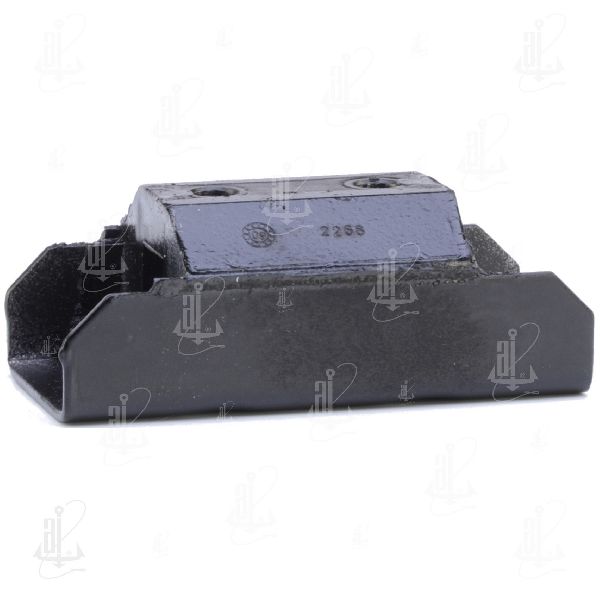
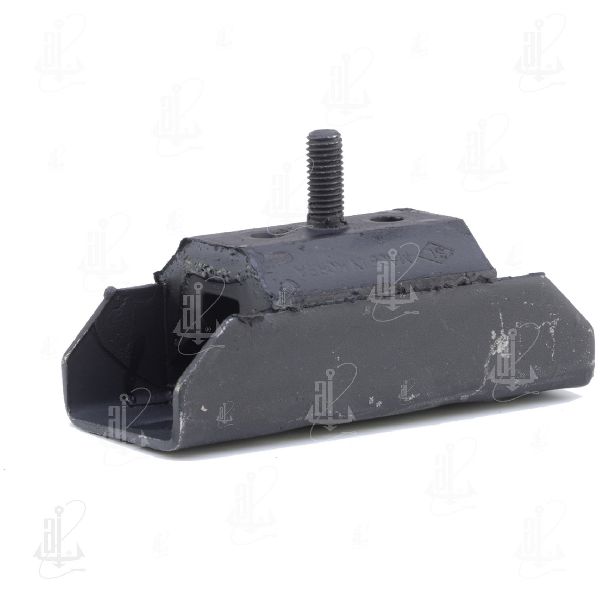
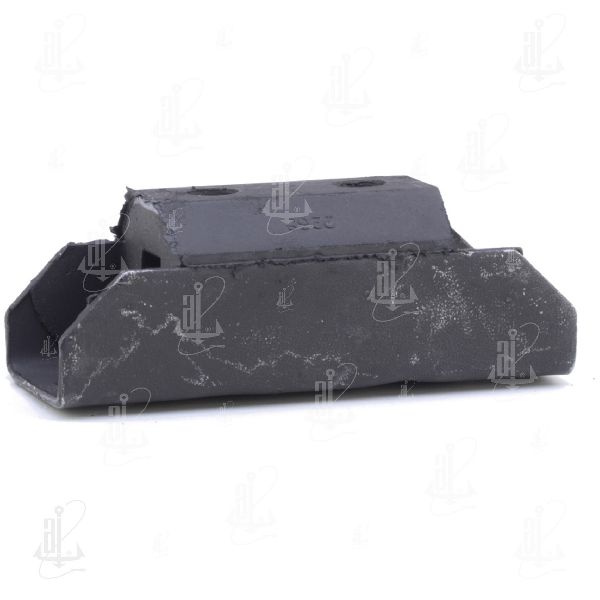
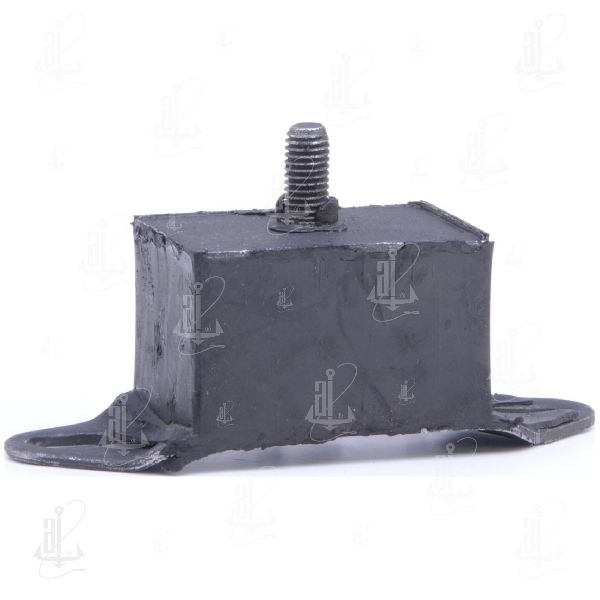
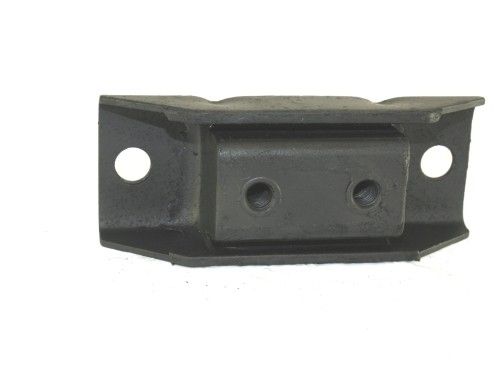
The 1966-1974 Caprice uses a standard GM-style rear-wheel-drive transmission mount that bolts to the transmission extension housing and the frame crossmember. The specific mount is shared across many GM B-body vehicles of the era, including the Impala and Bel Air.
We Have This Part in Stock


The information in this article is provided for general reference and educational purposes only. Vehicle specifications, procedures, and part compatibility can vary by production date, trim level, and region. Always consult your vehicle's factory service manual and verify part numbers before purchasing or performing repairs. Safety-critical components such as airbags, seat belts, and braking systems should be installed by a qualified professional.
- 🛍️ Shop This Part
- Is Your Transmission Mount Failing?
- Symptoms of a Bad Transmission Mount
- A Note on Oil Leaks
- Choosing the Right Aftermarket Mount
- Tier 1: Standard Rubber Mounts
- Tier 2: Performance Polyurethane Mounts
- Pro-Tip: Check Your Engine Mounts
- Cost of Replacing a Transmission Mount
- Frequently Asked Questions
- 🎟️ Get 5% Off