

Jeep CJ5 Alternator Guide (1966-1974): Upgrades and Replacement
Keep your classic CJ5's electrical system reliable with the right alternator.
- Many 1966-74 CJ5s are perfect candidates for an alternator upgrade from an older generator or low-output alternator.
- Visually confirm your engine type (V6, I6, V8) and current alternator mounting before ordering, as many Jeeps from this era have been modified.
- For stock use, a standard replacement from a brand like Remy or WAI is sufficient. For winches or extra lights, consider a high-output unit from Powermaster.
- Bad grounds are a common cause of electrical issues on CJs; always check and clean your battery and ground connections before replacing parts.
Is Your CJ5 Alternator Failing?
The charging system on a 1966-1974 Jeep CJ5 is simple but crucial. A bad alternator will leave you stranded with a dead battery. Watch for these common symptoms before it's too late.
- Dim or Flickering Headlights: If your lights get brighter when you rev the engine, your alternator is likely struggling to keep up at idle.
- Dead Battery: The most obvious sign. The alternator isn't recharging the battery, causing it to die after a few starts or even while driving.
- Whining or Squealing Noise: A high-pitched whine can indicate a bad bearing inside the alternator. A squealing sound could be a loose or worn-out belt, which also prevents proper charging.
- Warning Light or Ammeter/Voltmeter Issues: If your Jeep has an 'AMP' or 'GEN' light, it will illuminate if there's a charging problem. A voltmeter reading below 13.5 volts when the engine is running also points to a weak alternator.
- Electrical Gremlins: An alternator can fail by creating a parasitic draw, draining the battery even when the Jeep is off.
OEM vs. Aftermarket Alternators
For a vehicle as old as the 1966-1974 CJ5, true "OEM" alternators are not available new. The market consists of new and remanufactured aftermarket parts. Many owners upgrade from the original low-output generator or alternator to a more modern and powerful unit, like a Delco-Remy 10SI or 12SI style alternator. These are widely available, affordable, and a significant improvement over the stock unit. Aftermarket quality can be excellent, often exceeding the original specifications.
Choosing the Right Aftermarket Alternator
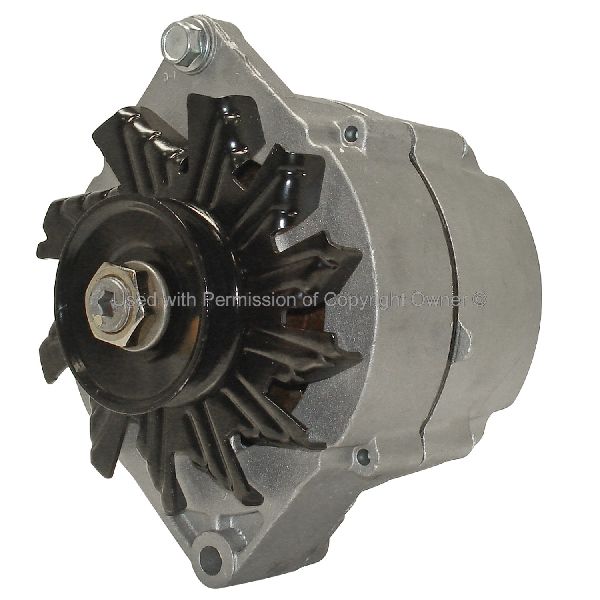
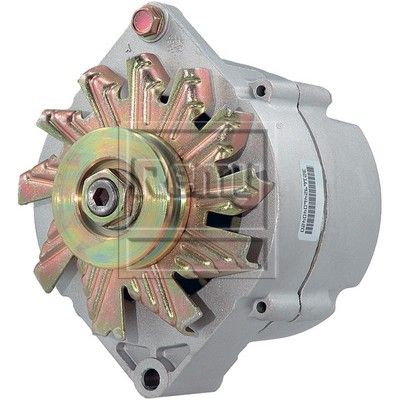
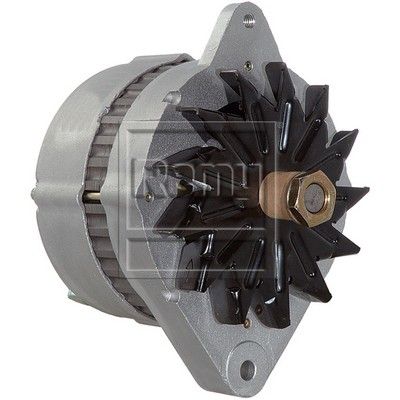
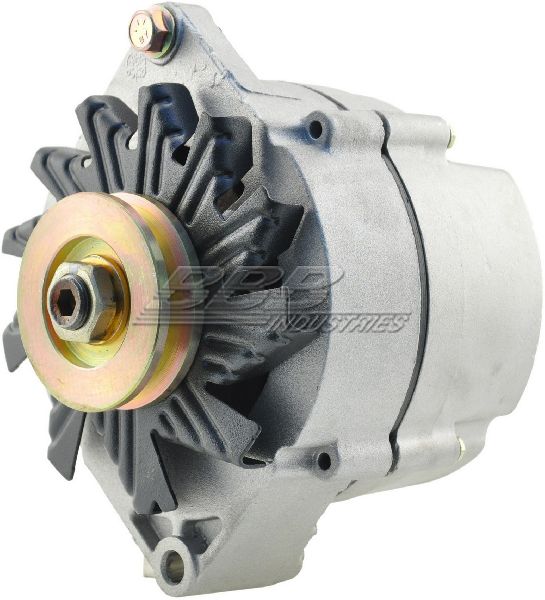
With 36 options available, picking the right one comes down to your Jeep's needs and your budget. It's critical to verify your engine (Buick V6, AMC I6, or V8) and current setup, as brackets and wiring can differ. Many CJ5s of this era have been modified, so a visual match is the best strategy.
Brand Tiers for Your CJ5
Performance/High-Output (Powermaster): If you run extra accessories like a winch, off-road lights, or a powerful stereo, a high-output alternator is a smart investment. Powermaster is a well-known brand offering units with significantly higher amperage (100+ amps) than stock. They are a popular choice for CJ owners who need more power. Keep in mind that a high-output alternator may require upgrading your main wiring to handle the extra current.
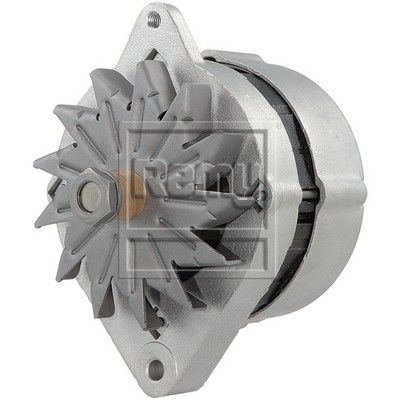
Standard Replacement (Remy, WAI Global): For a daily driver or a stock restoration, brands like Remy and WAI Global offer reliable, 100% new alternators that meet or exceed original specs. They provide a good balance of quality and price without the need for modifications. While generally reliable, some forum users have reported occasional premature failures with bearings on some aftermarket brands.
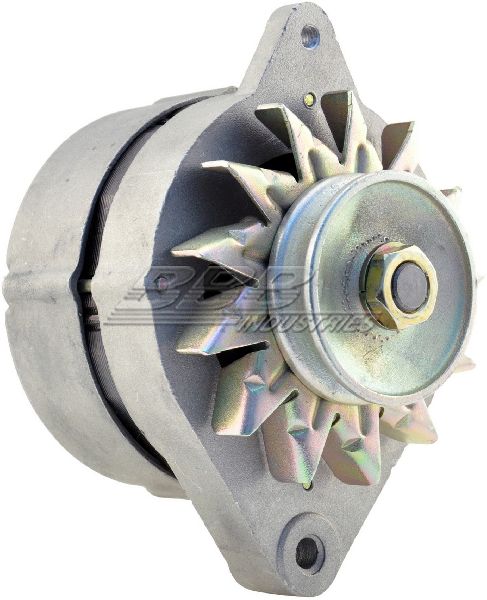
Value-Oriented (BBB Industries, MPA): These brands often provide remanufactured alternators, which can be a cost-effective option. BBB Industries is a common brand available for this Jeep model. Quality can be more variable with remanufactured parts compared to new ones, but they serve as a budget-friendly solution to get your Jeep back on the road.
Alternator Cost for 1966-1974 Jeep CJ5
| Part Type | Price Range |
|---|---|
| New Aftermarket Alternator | $40.18 - $162.95 |
| Shop Labor for Installation | $90 - $150 |
Frequently Asked Questions
Do I need a high-output alternator?
Only if you have added high-draw electrical accessories like a winch, large light bars, or a powerful audio system. A winch alone can draw more power than any alternator can produce, making a high-output model beneficial for recharging the battery faster between pulls. For a stock CJ5, a standard 55-63 amp alternator is usually sufficient.
What's the difference between an internally and externally regulated alternator?
Original systems often used an external voltage regulator, a separate box mounted on the firewall. Most modern replacements, like the popular Delco-Remy SI-series, have an internal regulator. This simplifies wiring and improves reliability. Converting from external to internal is a common upgrade.
Is converting from a generator to an alternator difficult?
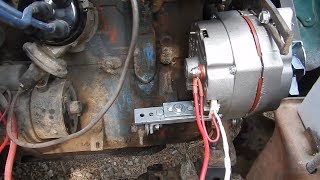
It is a straightforward and very common modification. Kits are available, but it often just requires a new mounting bracket, minor wiring changes (removing the old external regulator), and ensuring the pulley alignment is correct. The reliability and performance benefits, especially at low engine speeds, are significant.
How do I test my alternator?
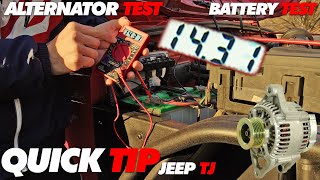
With the engine off, a healthy battery should read about 12.5 volts. Start the engine and check the voltage at the battery terminals with a multimeter. It should rise to between 13.5 and 14.5 volts. If the voltage stays at 12.5V or drops, your alternator is not charging. Many auto parts stores will test your alternator for free.
Helpful Videos
Technical Specifications
Common upgrades include Delco-Remy 10SI and 12SI style alternators. Stock output was often low (37-63 amps). Aftermarket options range from stock replacement to over 150 amps. Regulator may be internal or external; pulley type can vary.
We Have This Part in Stock

The information in this article is provided for general reference and educational purposes only. Vehicle specifications, procedures, and part compatibility can vary by production date, trim level, and region. Always consult your vehicle's factory service manual and verify part numbers before purchasing or performing repairs. Safety-critical components such as airbags, seat belts, and braking systems should be installed by a qualified professional.