

Mercury Monterey Alternator Guide: 1966-1975 Models
Everything you need to know before buying a new aftermarket alternator for your classic Monterey.
- Your Monterey originally used a low-amperage, externally regulated alternator; upgrading to a modern 1-wire, internally regulated unit is a common and reliable improvement.
- Symptoms of failure include dim/flickering lights, a recurring dead battery, and whining noises from the engine.
- For most owners, a new 100-amp aftermarket alternator is a significant and worthwhile upgrade over the original.
- Replacing the alternator is a straightforward DIY job that can be done in about an hour with basic tools.
Is Your Monterey's Alternator Failing?
An alternator doesn't usually fail without warning. If you notice any of these signs, it's time to inspect your charging system. Ignoring them can leave you stranded with a dead battery.
Common Failure Symptoms:
- Dimming or Flickering Lights: Headlights and dash lights may flicker, dim at idle, or even get excessively bright.
- Battery Warning Light: The 'ALT,' 'GEN,' or battery-shaped light on your dashboard is a direct signal of a charging problem.
- Weak or Dead Battery: If you need to jump-start your car frequently, a bad alternator is a likely cause because it's not recharging the battery.
- Strange Noises: A grinding or whining sound from the front of the engine can mean the bearings inside the alternator are failing.
- Slow Electrical Accessories: Power windows that move slowly or a radio that cuts out can be signs of insufficient power from the alternator.
Choosing the Right Aftermarket Alternator
For a 1966-1975 Mercury Monterey, finding a new OEM alternator from Ford is nearly impossible. The market consists of new aftermarket parts and remanufactured units. For a driver, a new aftermarket alternator is often the best choice, offering modern technology and higher power output.
Pro Tip: Upgrade to a 1-Wire Alternator
Many aftermarket alternators for your Monterey are "1-wire" units. These have an internal voltage regulator, which simplifies installation by eliminating the original, failure-prone external regulator mounted on the firewall or fender. This is a reliable and common upgrade.
Understanding Amperage
Original alternators on these cars had low output, sometimes as low as 55 amps. Modern aftermarket options provide a significant boost. A 100-amp unit is a great all-around upgrade that can handle modern accessories like a better stereo or brighter headlights. If you have high-draw items like electric cooling fans or a powerful audio system, consider a high-output alternator of 150 amps or more.
Aftermarket Brand Quality
Not all brands are created equal. Here's an honest look at the available options based on general market reputation for classic American cars.
- Proform: Often seen as a strong choice for classic and muscle cars. Reviews frequently praise their high-output, 1-wire alternators for easy installation and reliable performance, making them a popular upgrade.
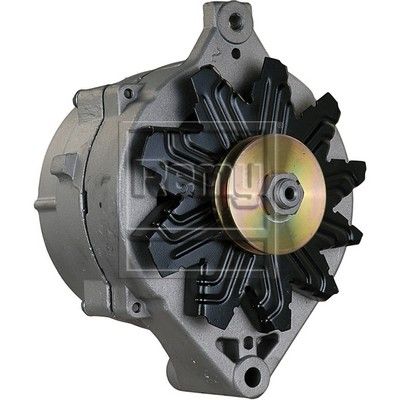
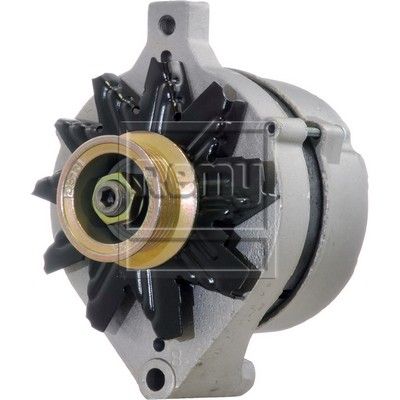
- Remy: A long-established brand with a mixed reputation. Some users report years of good service from their new units, while others have experienced premature bearing failures.
- BBB Industries: A major remanufacturer that supplies many auto parts stores, and is also associated with the Remy brand. Quality can be inconsistent, which is common for remanufactured parts.
- MPA (Motorcar Parts of America): A large company that produces new and remanufactured alternators under brands like Quality-Built. They state their parts meet or exceed original specifications.
- USA Industries: Information on this brand is sparse and dated. They were known as an inexpensive, US-remanufactured option, but reviews on their quality were mixed.
Known Issues & Recalls
Our search found no specific recalls or Technical Service Bulletins (TSBs) from the NHTSA for alternator failure on the 1966-1975 Mercury Monterey. Any issues you experience are likely due to the age and wear of the original components.
Cost of a New Alternator
The price for a new aftermarket alternator is very reasonable. The main cost difference comes from the brand reputation and the amperage output.
| Part Type | Estimated Cost |
|---|---|
| New Aftermarket Alternator | $44.87 - $122.61 |
| High-Output Aftermarket (150A+) | $150 - $250+ |
| Shop Labor for Installation | $100 - $180 |
Frequently Asked Questions
Can I install the new alternator myself?
Yes, this is a great DIY job for a beginner or intermediate mechanic. The alternator is usually easy to access at the top of the engine. The process involves disconnecting the battery, loosening the belt, removing a few bolts and the electrical connections. The entire job can typically be done in about an hour with basic hand tools.
What's the difference between an internally and externally regulated alternator?
Your Monterey originally came with an external voltage regulator, a separate box that controls the alternator's output. Most modern aftermarket alternators have the regulator built-in (internally regulated). This is a more reliable and simpler setup, and it's a recommended upgrade.
Do I need to upgrade my wiring for a high-output alternator?
Yes, it's highly recommended. The original factory wiring was not designed for the higher amperage of a modern alternator. At a minimum, you should run a new, thicker gauge (8-gauge or larger) charge wire directly from the alternator's output post to the positive terminal of the battery or the battery side of the starter solenoid.
What is a "core charge"?
A core charge is a deposit you pay when buying a remanufactured part. You get the deposit back when you return your old, broken part. Since this guide focuses on new aftermarket parts, you typically won't have to worry about a core charge.
Technical Specifications
OEM Part Numbers: C6TF-10300-F
Original Equipment was a Ford 1G-style, externally regulated alternator with an approximate output of 55 amps.
We Have This Part in Stock
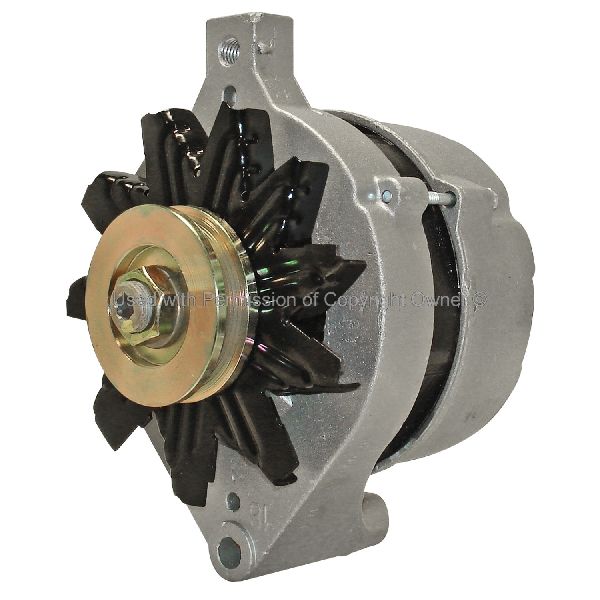
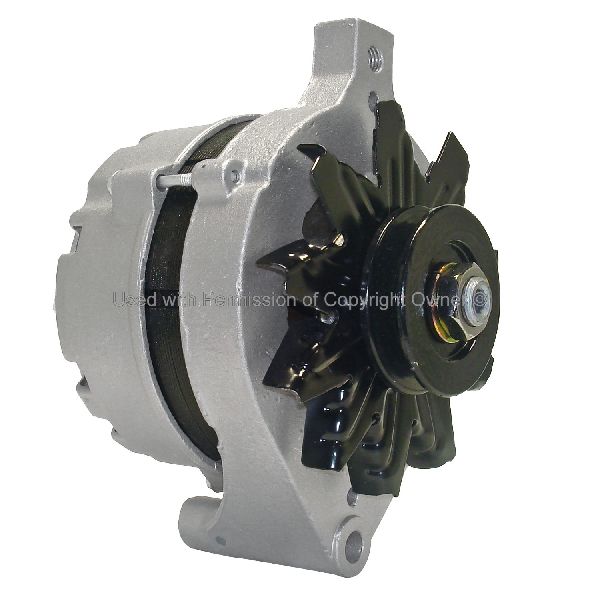
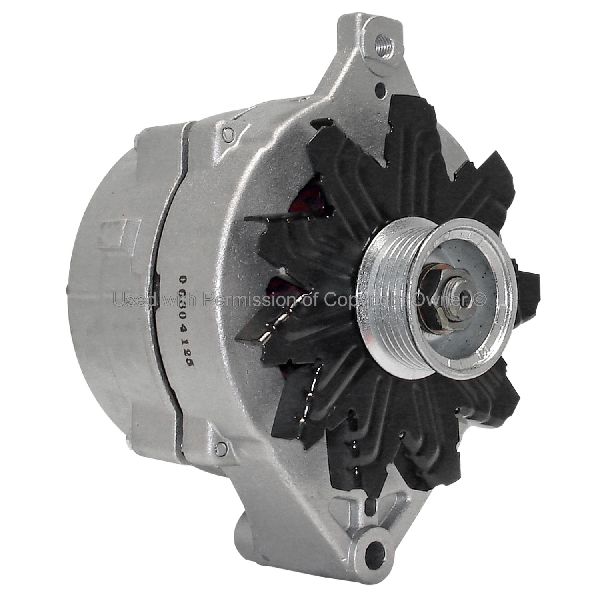
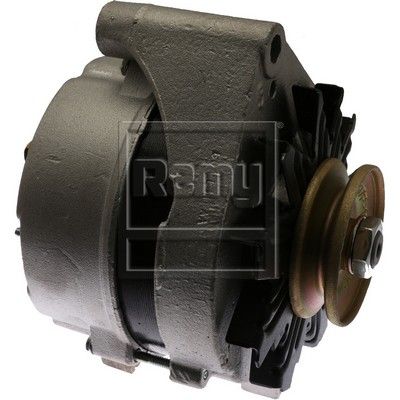

The information in this article is provided for general reference and educational purposes only. Vehicle specifications, procedures, and part compatibility can vary by production date, trim level, and region. Always consult your vehicle's factory service manual and verify part numbers before purchasing or performing repairs. Safety-critical components such as airbags, seat belts, and braking systems should be installed by a qualified professional.
- 🛍️ Shop This Part
- Is Your Monterey's Alternator Failing?
- Common Failure Symptoms:
- Choosing the Right Aftermarket Alternator
- Pro Tip: Upgrade to a 1-Wire Alternator
- Understanding Amperage
- Aftermarket Brand Quality
- Known Issues & Recalls
- Cost of a New Alternator
- Frequently Asked Questions
- 🎟️ Get 5% Off