

Accessory Drive Belt Guide for the 1966-1976 BMW 2002
Keep your classic 2002's essential components running by understanding, inspecting, and choosing the right accessory drive belt.
- Regularly inspect the belt for cracks and wear; replacement is based on condition, not mileage.
- Proper belt tension is critical; over-tightening is a known cause of water pump failure on the 2002.
- Driving with a broken belt will cause the engine to overheat, leading to severe damage.
- Reputable aftermarket brands like Continental, Gates, and Dayco are excellent choices for this vehicle.
Signs of a Failing Accessory Drive Belt
A worn or failing drive belt will give you clear warning signs. Ignoring them can lead to a breakdown and potential engine damage. Be alert for these symptoms:
- Squealing Noises: A high-pitched squeal, especially when you start the engine or accelerate, is the most common sign of a loose or worn-out belt.
- Visible Damage: You should inspect the belt every six months. Look for cracks, fraying, glazing (a shiny or smooth surface), or pieces of rubber missing.
- Battery Warning Light: If the belt slips or breaks, the alternator will stop spinning, and the battery warning light on your dashboard will illuminate.
- Engine Overheating: A broken belt means the water pump is no longer turning. This will cause the engine to overheat very quickly, which can lead to serious and expensive engine damage.
A Note on Belt Tension
For the BMW 2002, correct belt tension is extremely important. A belt that is too loose will squeal and slip. However, a belt that is too tight puts excessive strain on the water pump and alternator bearings, which can cause them to fail prematurely. A common issue on these cars is water pump failure due to an over-tightened belt. As a rule of thumb, you should be able to press down on the belt and have about an inch of deflection at the midway point between pulleys.
Choosing the Right Aftermarket Drive Belt
For a classic car like the BMW 2002, you don't need to hunt down a rare or expensive OEM (Original Equipment Manufacturer) part. High-quality aftermarket brands offer excellent performance and reliability. The key is to stick with reputable manufacturers.
Brand Tiers for Your BMW 2002
- Tier 1 (OEM Supplier/Excellent Aftermarket): Continental (often branded as ContiTech) is a well-regarded choice and was an original equipment supplier for many classic BMWs. They are known for quality and proper fit. Gates is another top-tier brand used and trusted by many mechanics and 2002 owners. You can't go wrong with either of these brands.
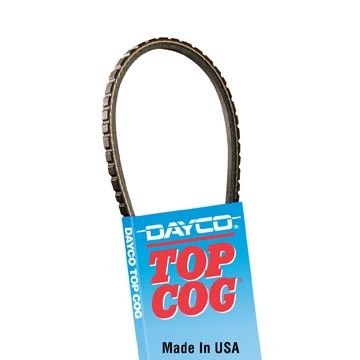
- Tier 2 (Quality Aftermarket): Dayco is a solid and reliable aftermarket brand that offers a good balance of quality and price. Many owners use Dayco belts without any issues.
- Tier 3 (Budget): It's best to avoid no-name or store-brand belts. While the initial cost is lower, they have a higher risk of stretching, squealing, or failing prematurely, which could leave you stranded.
Common Ordering Mistake
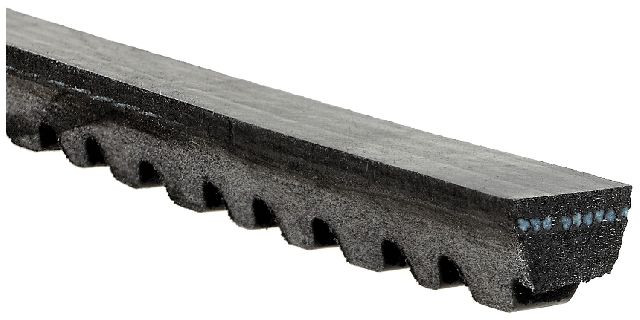
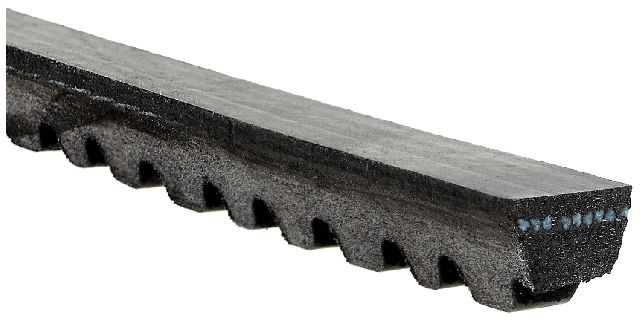
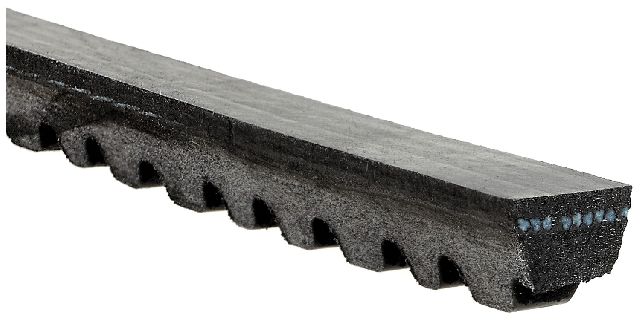
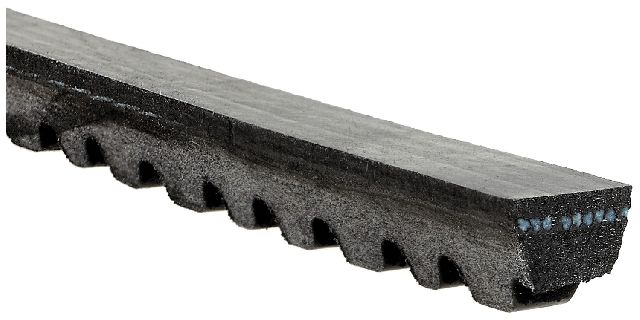
The BMW 2002 uses a simple V-belt. However, different sizes may be required depending on whether your car has an original or upgraded alternator, or if it has A/C. Always confirm the correct belt length for your specific setup. A common size for the alternator and water pump is 10x875mm, but variations exist. It's a good idea to buy two belts and keep a spare in your trunk.
Estimated Cost for a New Accessory Drive Belt
| Part Type | Estimated Cost |
|---|---|
| New Aftermarket (Continental, Gates, Dayco) | $7.35 - $30.07 |
| Shop Labor | $50 - $100 |
Frequently Asked Questions
How often should I replace my BMW 2002's drive belt?
There is no strict mileage interval for a car of this age. Instead, replacement should be based on condition. Inspect the belt at every oil change or at least every six months for signs of wear like cracks, fraying, or glazing. If it shows any of these signs, replace it immediately.
What happens if the drive belt breaks while I'm driving?
If the main accessory belt breaks, your engine will stop charging the battery and will no longer circulate coolant. You will see the battery light come on and the engine temperature will rise rapidly. You must pull over and shut off the engine immediately to prevent catastrophic damage from overheating.
Is replacing the drive belt a difficult DIY job?
No, this is a very simple and straightforward job for a DIY mechanic. It can be done from the top of the engine without lifting the car. The process involves loosening the alternator bolts to create slack, removing the old belt, and installing the new one.
My new belt is squealing. What's wrong?
Squealing is usually caused by a belt that is too loose. However, it can also be caused by pulley misalignment. Worn alternator bushings are a common cause of misalignment on the 2002. Also, ensure no oil or coolant has contaminated the belt or pulleys, as this will cause slipping and noise.
Are there any recalls for the BMW 2002 drive belt?
No, there are no recalls or Technical Service Bulletins (TSBs) from the NHTSA related to the accessory drive belt for the 1966-1976 BMW 2002. Searches found recalls for much newer BMW models or for unrelated issues on older cars.
Technical Specifications
OEM Part Numbers: 11287631817
The BMW 2002 uses a V-belt, not a modern serpentine belt. A common size is 10mm wide by 875mm long, but this can vary based on the alternator and accessory configuration.
We Have This Part in Stock

The information in this article is provided for general reference and educational purposes only. Vehicle specifications, procedures, and part compatibility can vary by production date, trim level, and region. Always consult your vehicle's factory service manual and verify part numbers before purchasing or performing repairs. Safety-critical components such as airbags, seat belts, and braking systems should be installed by a qualified professional.