

A Guide to the 1966-1976 BMW 2002 Differential Bearing Set
That whining or howling from the back of your classic 2002 could be worn differential bearings.
- A persistent whine from the rear that changes with throttle is the primary symptom of failing differential bearings.
- This is a highly complex repair requiring special tools and expertise; it is not a typical DIY project.
- Always use a new crush sleeve when replacing pinion bearings to ensure correct preload and prevent premature failure.
- Timken is a trusted, high-quality brand for differential bearings in the BMW 2002 community.
Is Your BMW 2002 Making a Howling Noise?
A common issue for the classic BMW 2002 is a whining or howling sound coming from the rear of the car. This noise often gets louder as you accelerate or cruise at a steady speed and may change pitch when you let off the gas. While other problems can cause similar sounds, worn differential bearings are a frequent culprit. These bearings support the pinion and carrier gears inside the differential, and after decades of service, they can begin to fail.
Don't Confuse with Wheel Bearing Noise
A failing wheel bearing can also make a roaring or grinding noise. However, wheel bearing noise often changes when you turn left or right, while differential bearing noise typically stays the same regardless of turning. Differential noise is more likely to change with acceleration and deceleration.
Choosing the Right Aftermarket Bearings
For a vintage vehicle like the 1966-1976 BMW 2002, finding original "Genuine BMW" parts can be difficult and expensive. The most practical solution is a high-quality aftermarket bearing set.
Brand Assessment: Timken
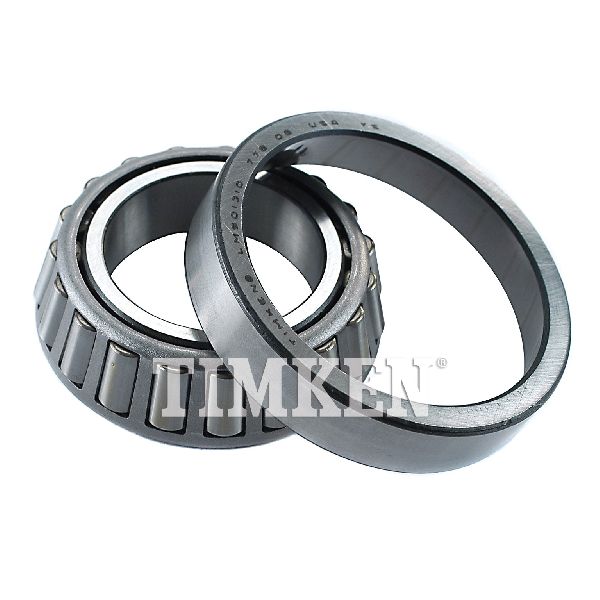
Timken is a well-regarded brand within the BMW 2002 enthusiast community for differential rebuilds. In many cases, Timken was the original equipment manufacturer (OEM) for these bearings, so a new set can be considered a return to factory quality. Forum members and rebuild specialists often recommend using high-quality bearings like Timken, emphasizing a "do it right, do it once" approach to avoid premature failure and having to do the job a second time. While some in the broader auto parts market have noted that brands like Timken may source parts from various countries, for the specific needs of the 2002's 168mm differential, Timken kits are a trusted and commonly used solution.
What's in a Kit?
A basic bearing set includes the essential bearings for the differential. However, a complete rebuild requires more. Comprehensive kits often include the pinion and carrier bearings, a new crush sleeve (collapsible spacer), pinion and axle seals, and sometimes hardware. Replacing the crush sleeve and all seals is critical for a successful and leak-free repair.
Replacement Cost
Replacing differential bearings is a labor-intensive job. While the parts themselves can be affordable, the cost comes from the specialized labor required. The differential must be removed from the car, completely disassembled, and precisely reassembled.
| Part/Service | Estimated Cost |
|---|---|
| New Aftermarket Bearing Set (Timken) | $35.55 |
| Shop Labor | $700 - $1,500+ |
| Fully Rebuilt Differential Unit | $900+ |
Frequently Asked Questions (FAQ)
Is replacing differential bearings a DIY job?
This is not recommended for beginners or DIY mechanics without specialized tools and experience. The job requires a hydraulic press to remove and install bearings, and precision tools like a dial indicator and an inch-pound torque wrench to set the gear backlash and bearing preload. Incorrectly setting the preload on the new crush sleeve can destroy the new bearings and gears in a very short time.
What is a crush sleeve and why must it be replaced?
A crush sleeve, or collapsible spacer, is a single-use part that sits between the pinion bearings. When the main pinion nut is tightened to a very high torque, this sleeve crushes slightly to set the precise amount of preload (or drag) on the bearings. An old sleeve cannot be reused because it will not provide the correct resistance, leading to improper preload and rapid bearing failure.
How can I be sure the noise is from my differential?
A mechanic can lift the car and use a stethoscope to listen to the differential while the wheels are spun. Another diagnostic step is to drain a small amount of differential fluid. If the fluid looks like metallic paint or has visible metal shavings, it's a definite sign of internal wear and damage.
Are there any recalls or TSBs for the BMW 2002 differential?
No, there are no official recalls or Technical Service Bulletins (TSBs) from BMW or the NHTSA for differential bearings on the 1966-1976 BMW 2002. Any issues are related to the age and wear of the vehicle.
Technical Specifications
This bearing set is for the 168mm 'short neck' differential used in BMW 2002 models from 1969-1976. Earlier 'long neck' differentials (pre-1969) have limited parts availability.
We Have This Part in Stock

The information in this article is provided for general reference and educational purposes only. Vehicle specifications, procedures, and part compatibility can vary by production date, trim level, and region. Always consult your vehicle's factory service manual and verify part numbers before purchasing or performing repairs. Safety-critical components such as airbags, seat belts, and braking systems should be installed by a qualified professional.