

Choosing the Right Spark Plugs for Your 1966-1976 Chrysler Imperial
Keep your classic Imperial's big-block V8 running smoothly with the correct spark plugs.
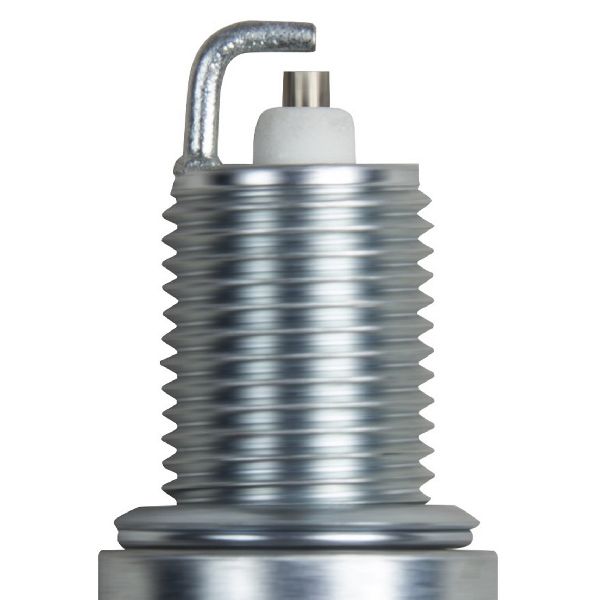
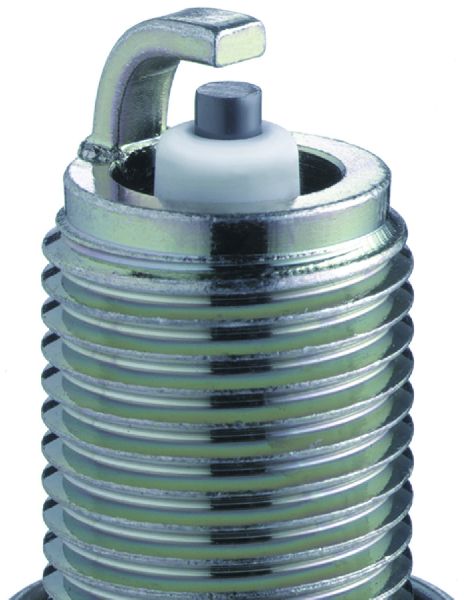
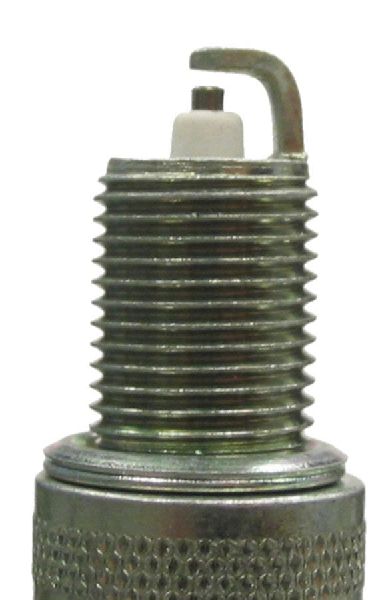
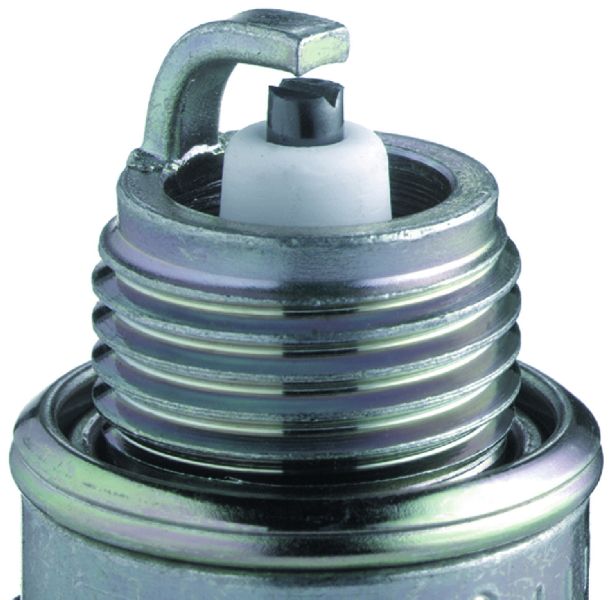
- For a stock 1966-1976 Imperial, standard copper core spark plugs are the best choice.
- Champion is a common OEM-equivalent brand, with NGK and Autolite being excellent aftermarket alternatives.
- Always check and adjust the spark plug gap to 0.035 inches before installation using a wire-style gauge.
- Replacing spark plugs is an easy DIY job that can solve many common engine running issues.
Signs of Failing Spark Plugs
Worn or fouled spark plugs can cause a number of noticeable problems. If you experience a rough idle, engine hesitation during acceleration, or a general lack of power, your spark plugs could be the culprit. Other signs include a decrease in fuel economy and difficulty starting the engine. Pulling a plug and inspecting it can tell you a lot. A plug covered in black, sooty deposits may indicate a fuel mixture that is too rich or oil burning, while a clean, white-looking plug might mean the engine is running too hot.
Choosing the Right Aftermarket Spark Plug
For a stock 1966-1976 Chrysler Imperial, you don't need fancy, expensive spark plugs. These engines were designed in an era of simpler ignition systems. The best choice for a stock engine is often a standard copper core spark plug.
Aftermarket Brand Tiers
| Tier | Brands | Assessment |
|---|---|---|
| OEM Equivalent / Recommended | Champion, NGK | Champion was a very common original equipment supplier for Chrysler during this period. Many owners and mechanics stick with Champion plugs for their reliability and correct heat range. NGK is a high-quality alternative that many classic Mopar owners have found to perform excellently, sometimes even better than stock in terms of idle quality and throttle response. |
| Quality Aftermarket | Autolite, Denso | Autolite is a solid, reliable choice and another brand many owners have good experiences with, sometimes preferring them over Champion for better resistance to fouling. Denso, like NGK, is a top-tier Japanese brand that makes excellent quality plugs compatible with these vehicles. |
| Performance / Niche | Accel, Bosch | Accel plugs are geared more towards performance applications. Bosch plugs are also available, with some owners reporting good results with their platinum plugs, especially in engines that may burn a little oil. However, for a stock ignition, standard copper plugs from other brands are usually sufficient and more cost-effective. |
A Note on Modern Plugs (Platinum & Iridium)
While platinum and iridium plugs offer long life in modern cars, they are not always the best choice for a classic vehicle like the Imperial. The ignition systems in these cars were designed for copper plugs. A high-tech plug may not provide any performance benefit and could even perform worse if the stock ignition system isn't powerful enough to fire it effectively. For a stock or near-stock engine, it's usually best to stick with copper.
Known Issues, Recalls, or TSBs
There are no specific recalls or technical service bulletins (TSBs) from NHTSA related to spark plugs for the 1966-1976 Chrysler Imperial. Any issues are typically related to normal wear, incorrect installation, or improper plug selection for the engine's condition.
Pro Tip: Always Check The Gap
Never assume a new spark plug is gapped correctly out of the box. The standard plug gap for most of these engines is 0.035 inches. Use a wire-style feeler gauge to check and gently adjust the gap before installation. An incorrect gap can lead to misfires and poor performance.
Frequently Asked Questions (FAQ)
How often should I change the spark plugs on my Imperial?
For standard copper plugs in these vehicles, a good rule of thumb is to inspect them annually and replace them every 15,000 to 20,000 miles, or whenever you perform a major tune-up. If the car is driven infrequently, plugs can become fouled from short trips, so they may need to be cleaned or replaced more often.
What is the correct spark plug for my Imperial's 440 engine?
A common and correct plug for the big-block V8s of this era is a Champion, often a J12Y, RJ12YC, or similar variant depending on the exact year and specifications. Many owners have also had great success with NGK as a high-quality alternative. The most important factor is choosing the correct heat range for your engine's condition and how you drive.
What is a resistor vs. non-resistor spark plug?
Chrysler originally specified non-resistor spark plugs used with resistor spark plug wires to suppress radio frequency interference (RFI). Using a resistor plug (like most modern plugs) with resistor wires adds more total resistance to the ignition circuit. While many owners run this combination without noticing a major difference, those with original points-style ignitions might see a slightly weaker spark.
Is it difficult to change the spark plugs myself?
No, changing spark plugs on these cars is a very straightforward job and is considered basic maintenance. Access to all eight plugs is generally good. You will need a ratchet, a spark plug socket, and a gap tool. Always work on a cool engine and clean the area around the plug before removing it to prevent debris from falling into the cylinder.
Technical Specifications
OEM Part Numbers: RN14LY RJ12YC J12Y
Spark Plug Gap: 0.035 inches (0.89mm) Socket Size: 13/16"
We Have This Part in Stock


The information in this article is provided for general reference and educational purposes only. Vehicle specifications, procedures, and part compatibility can vary by production date, trim level, and region. Always consult your vehicle's factory service manual and verify part numbers before purchasing or performing repairs. Safety-critical components such as airbags, seat belts, and braking systems should be installed by a qualified professional.