

A Guide to Engine Cylinder Head Bolts for the 1966-1977 Chevrolet Caprice
Secure your classic Caprice's engine reliability by understanding and choosing the right head bolts for your V8.
- Always replace head bolts when replacing a head gasket for maximum reliability.
- Understand if you are buying reusable bolts or single-use Torque-to-Yield (TTY) bolts.
- Thoroughly cleaning the bolt holes in the block and using a thread chaser is mandatory for a proper seal.
- Use thread sealant on bolts that enter water jackets to prevent coolant leaks.
Symptoms of Failing Head Bolts
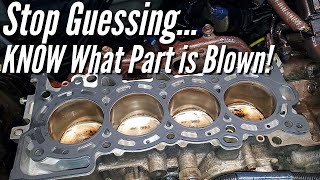
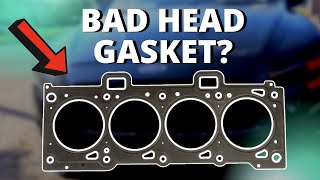
Head bolt problems are almost always discovered because of a head gasket failure. The bolts themselves don't typically show symptoms, but their failure to maintain clamping force leads to a blown head gasket. Watch for these serious signs:
🎬 Watch: A visual guide to identifying bad head gasket symptoms.- Engine Overheating: Hot exhaust gases leaking into the cooling system or coolant leaking into the cylinders can cause the engine temperature to rise quickly.
- White Exhaust Smoke: A common sign is large amounts of sweet-smelling white smoke from the tailpipe. This is coolant burning off in the combustion chamber.
- Milky Engine Oil: If you check your dipstick or oil cap and find a creamy, light-brown or white sludge, it means coolant has mixed with your engine oil.
- Loss of Power or Misfires: If the gasket fails between cylinders, compression will be lost, leading to a rough-running engine and a noticeable drop in power.
- Bubbles in Radiator: With the engine cool, removing the radiator cap and starting the engine may reveal bubbles in the coolant, caused by exhaust gases being forced into the cooling system.
Driving is Not Recommended
If you notice any of these symptoms, stop driving the vehicle immediately. Continuing to drive can lead to warped cylinder heads, damaged bearings, and catastrophic engine failure.
Choosing the Right Aftermarket Head Bolt Set
For a classic car like the 1966-1977 Caprice, you have good aftermarket options. The most important factor is understanding the type of bolt you are buying, as it affects installation and reusability.
Original Style (Reusable) vs. Torque-to-Yield (TTY)
The original bolts used on classic Small Block and Big Block Chevy engines were high-strength and designed to be reusable. They could be cleaned, inspected, and reinstalled if they were not stretched or damaged. Many aftermarket bolts follow this design.
Torque-to-Yield (TTY) bolts are a more modern design. They are engineered to be tightened to a specific torque and then turned an additional angle (e.g., 90 degrees). This process permanently stretches the bolt to achieve a very precise clamping force. Because they are permanently stretched, TTY bolts must be replaced every time they are removed. Always check the product description to see if the bolts you are buying are TTY.
Aftermarket Brand Tiers
Your choice of brand often comes down to your engine build—stock replacement or high-performance.
- Premium Performance (Edelbrock): Edelbrock is a top-tier performance brand. Their head bolts are made from high-strength steel with a high tensile strength, designed for high-compression engines and often paired with their aluminum cylinder heads. These kits typically include the specific hardened washers required for aluminum heads.
- Quality Standard (Fel-Pro, Mr. Gasket): These brands are trusted names in the classic car community. Fel-Pro is famous for its gaskets and provides complete, reliable bolt sets that are a go-to for stock rebuilds. Mr. Gasket offers strong, Grade 8 bolts that are excellent for street performance and mild engine builds.
- Standard Aftermarket (Pioneer, Reinz, Victor Gaskets): These brands offer affordable, OE-quality replacements suitable for a standard engine rebuild where you simply need a fresh set of reliable fasteners.
Pro Tip: Buy Two Sets If Needed
Many head bolt sets, especially from brands like Fel-Pro, are sold per cylinder head. Since your V8 engine has two cylinder heads, make sure you are ordering enough bolts to complete the entire job.
| Brand Tier | Price Range (Per Set) |
|---|---|
| Standard Aftermarket | $40 - $70 |
| Quality Standard | $60 - $110 |
| Premium Performance | $100 - $165+ |
Note: Prices are estimates and can vary based on the specific engine (Small Block vs. Big Block) and retailer. Some kits for one head may be in a lower price range.
Frequently Asked Questions (FAQ)
Can I reuse my original head bolts?
For classic Chevy engines from this era, the original bolts were not TTY and can technically be reused if they are in perfect condition—no rust, pitting, or thread stretching. However, for the low cost of new bolts compared to the risk of a failed head gasket, it is almost always recommended to install a new set, especially if the engine has ever overheated or its history is unknown.
Do I need to clean the bolt holes in the engine block?
Yes, this is a critical step. The bolt holes in the block must be perfectly clean of old sealant, rust, oil, and coolant. Use a thread chaser (not a cutting tap) to clean the threads. Any debris or liquid in the hole can prevent the bolt from seating correctly and give a false torque reading, leading to uneven clamping and gasket failure.
Do I need to use sealant on the head bolts?
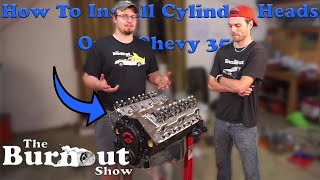
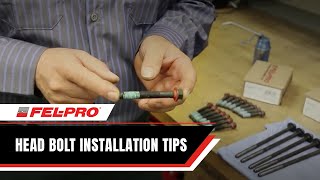
Yes. On Small Block and Big Block Chevy engines, many of the head bolt holes go directly into the engine's water jackets. You must apply a quality thread sealant with PTFE to the threads of these specific bolts to prevent coolant from leaking up the threads 🎬 See these expert tips for proper head bolt installation. and into the engine bay or oil.
What is a torque sequence?
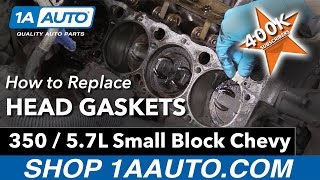
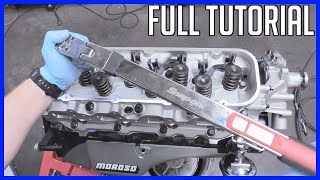
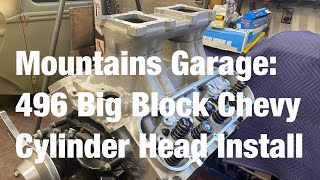
A torque sequence is the specific order in which you tighten the head bolts. You must follow the manufacturer's specified pattern, which typically starts from the center bolts and spirals outward. 🎬 Watch: Step-by-step head gasket and bolt replacement walkthrough. This, combined with tightening in multiple stages (e.g., first to 25 ft-lbs, then to 45 ft-lbs, then to a final 65 ft-lbs), ensures the head is clamped down evenly.
Helpful Videos
Technical Specifications
Bolt type will vary by manufacturer (reusable or Torque-to-Yield). Material is typically high-strength alloy steel, sometimes with a black oxide coating. Bolt lengths and head styles vary depending on the specific Small Block or Big Block Chevy engine application.
We Have This Part in Stock


The information in this article is provided for general reference and educational purposes only. Vehicle specifications, procedures, and part compatibility can vary by production date, trim level, and region. Always consult your vehicle's factory service manual and verify part numbers before purchasing or performing repairs. Safety-critical components such as airbags, seat belts, and braking systems should be installed by a qualified professional.