

Ford Bronco Wheel Bearing Replacement Guide (1966-1978)
Don't let a bad wheel bearing sideline your classic Bronco; here's what you need to know before you buy.
- Front and rear wheel bearings are completely different; front are serviceable tapered rollers, while the rear are pressed-on sealed units.
- You MUST manually pack the front wheel bearings with high-temperature grease before installation.
- Replacing rear wheel bearings requires removing the axle shafts and using a hydraulic press.
- Premium brands like Timken, SKF, and National are highly recommended for durability and longevity.
Signs of a Failing Wheel Bearing
A bad wheel bearing gives you warning signs before a major failure. Ignoring them is dangerous, as a complete failure can cause a wheel to lock up or separate from the vehicle. Listen for these symptoms:
- Grinding or Roaring Noise: This is the most common sign. It's a humming, roaring, or grinding sound that gets louder as you drive faster. The sound may change when you turn.
- Wheel Wobble or Play: The steering may feel loose, or you might feel a wobble. You can check for this by jacking up the wheel and trying to shake it. 🎬 Watch: How to 100% diagnose a bad wheel bearing. If you feel significant movement or hear a clunk, the bearing is likely bad.
- Vehicle Pulling: A worn-out bearing can create drag, causing the Bronco to pull to one side.
- Rear Axle Leak: On the rear Ford 9-inch axle, a failing bearing can destroy the axle seal, causing gear oil to leak onto the inside of your wheel and brake components.
Front vs. Rear: A Critical Difference
The most important thing to understand when shopping for wheel bearings for a 1966-1978 Bronco is that the front and rear are not the same. Ordering the wrong part is a common mistake.
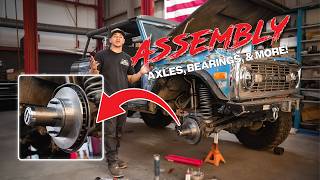
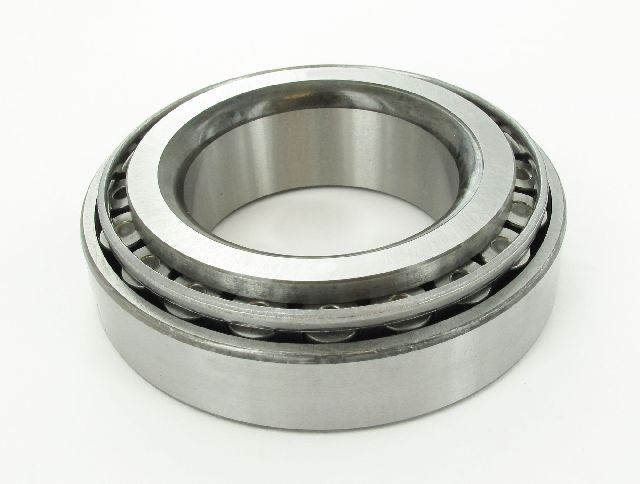
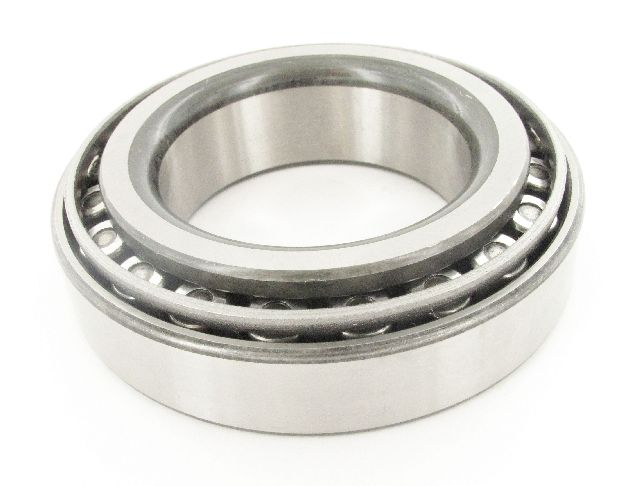
- Front Axle (Dana 30 or 44): These are serviceable, tapered roller bearings. Each front wheel has an inner and an outer bearing. They are not sealed and must be manually packed with high-temperature grease before installation. Replacement is DIY-friendly for those with mechanical experience but requires a special spindle nut socket. 🎬 See this walkthrough for installing front bearings and axles.
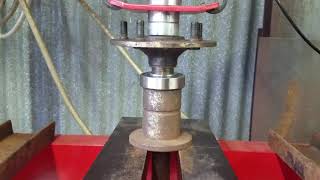
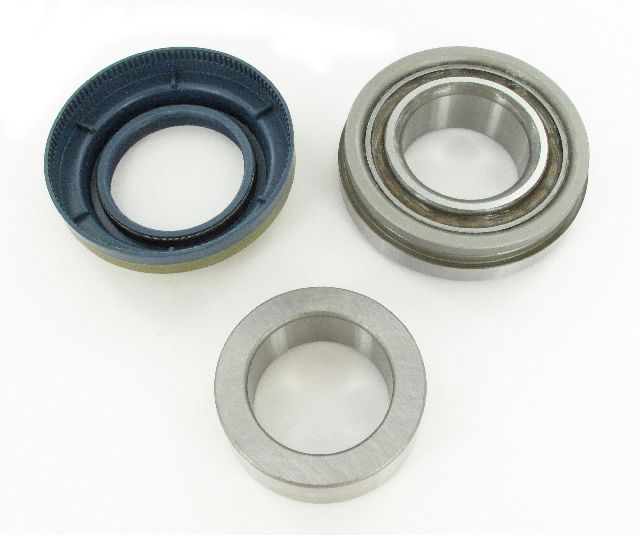
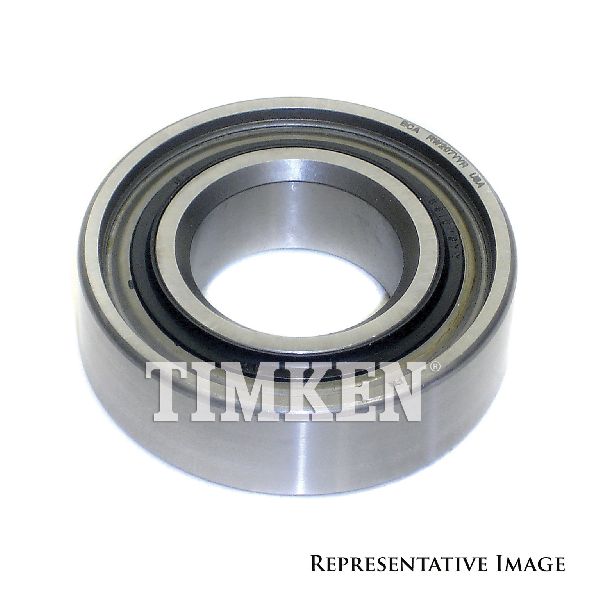
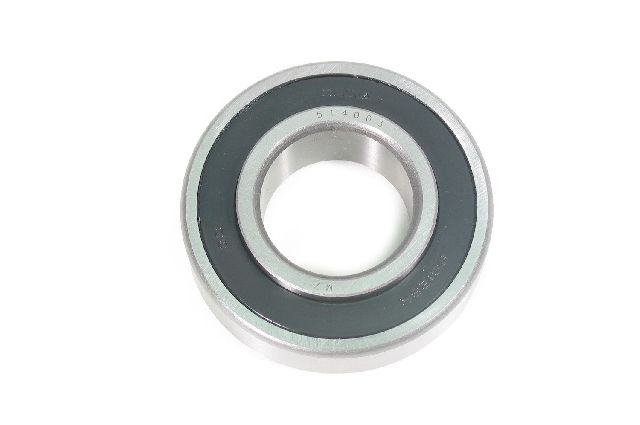
- Rear Axle (Ford 9-inch): This is a single, large sealed bearing that is pressed onto the axle shaft with a retaining collar. Replacing this bearing requires removing the axle shaft from the vehicle and using a hydraulic shop press to remove the old bearing and install the new one. This is not a typical DIY job 🎬 Watch: How to replace Ford 9-inch rear bearings and seals. without specialized equipment.
Choosing the Right Aftermarket Wheel Bearing
For a vintage vehicle like the early Bronco, new OEM (Original Equipment Manufacturer) parts are no longer available. The aftermarket is your only option, and the quality is excellent if you choose a reputable brand. These brands are generally grouped into tiers based on quality and reputation.
Brand Quality Tiers
| Tier | Brands | Assessment |
|---|---|---|
| Premium | Timken, SKF, FAG, National Bearing | These are industry-leading brands known for high-quality steel, precise manufacturing, and long life. Many professionals consider Timken and SKF to be the gold standard. |
| Standard | Mevotech, Beck Arnley | These brands offer good quality parts that meet or exceed OEM specifications. They are a reliable choice for daily drivers and offer a good balance of price and performance. |
| Economy | WJB, MPA | These are budget-focused brands. While they are the most affordable, they may not offer the same longevity as premium or standard brands, especially under heavy use or off-road conditions. |
Common Ordering Mistake: Rear Axle Bearing Size
Early Broncos with the Ford 9-inch rear axle came with different bearing sizes, commonly known as "small bearing" and "large bearing" setups. Before ordering rear axle bearings, you must verify which type your Bronco has. The difference is in the outer diameter of the bearing and the bolt pattern of the retainer plate. Measure your old parts or consult a Bronco-specific resource to ensure you order correctly.
Estimated Costs
| Part/Service | Estimated Cost |
|---|---|
| Aftermarket Wheel Bearing Kit (per wheel) | $13 - $68 |
| Shop Labor (Front, per side) | $100 - $200 |
| Shop Labor (Rear, per side, includes press work) | $200 - $350 |
Frequently Asked Questions (FAQ)
Do I have to pack the new front bearings with grease?
Yes, absolutely. This is the most critical step. The tapered roller bearings used on the front of a classic Bronco are not pre-greased. You must use your hands or a bearing packer tool to force high-temperature wheel bearing grease into all the rollers before installation. Failure to do this will cause the bearing to fail almost immediately.
Do I need special tools to replace my Bronco's wheel bearings?
Yes. For the front, you will need a special 4-prong spindle locknut socket to properly remove and torque the spindle nuts. For the rear, you need access to a 10-ton or 20-ton hydraulic shop press to get the old bearing off and the new one on the axle shaft.
Should I replace bearings on both sides at the same time?
It is highly recommended. Wheel bearings on both sides of an axle have been subjected to the same mileage and conditions. If one has failed, the other is likely not far behind. Replacing them in pairs ensures balanced performance and saves you from doing the same job again soon.
What is a bearing race and do I have to replace it?
The race is the smooth, hardened metal cup that the roller bearing spins inside. New front wheel bearing kits come with new races, and you MUST replace them. The old races are driven out of the hub, and the new ones are driven in. The new bearing and race are a matched set designed to wear together.
Helpful Videos

Technical Specifications
Vehicle utilizes a Dana 30 or Dana 44 front axle with serviceable inner and outer tapered roller bearings. The rear is typically a Ford 9-inch axle with either 'small' or 'large' pressed-on axle bearings.
We Have This Part in Stock


The information in this article is provided for general reference and educational purposes only. Vehicle specifications, procedures, and part compatibility can vary by production date, trim level, and region. Always consult your vehicle's factory service manual and verify part numbers before purchasing or performing repairs. Safety-critical components such as airbags, seat belts, and braking systems should be installed by a qualified professional.