

Chevrolet Caprice Engine Oil Pressure Switch Guide: 1966-1979
Understanding the oil pressure switch in your classic Caprice and how to choose the right replacement.
- First, confirm if your Caprice has a warning light (needs a switch) or a pressure gauge (needs a sending unit).
- Never ignore an oil pressure warning; always check the oil level first before assuming the sensor is bad.
- For this classic car, a quality aftermarket brand like Standard Ignition or Rostra is a reliable choice.
- Replacement is a simple DIY job for most, located at the top-rear of the engine near the distributor.
Is it a Switch or a Sending Unit?
Before buying, you need to know what your Caprice has. Look at your dashboard with the key in the 'on' position (engine off). If you have a red warning light that says 'OIL' or 'ENGINE', you need a simple oil pressure switch. If you have a gauge with a needle that shows pressure (in PSI), you need an oil pressure sending unit. Base model Caprices typically had warning lights, while higher trims or models with optional gauge packages had the full gauge.
Symptoms of a Failing Oil Pressure Switch
A bad oil pressure switch or sender can cause serious confusion and concern. Because it's the messenger for your engine's lubrication system, a false signal can make you think you have a major problem when you don't, or worse, fail to warn you when you do. Common symptoms include:
- Flickering or Illuminated Oil Light: The oil light may flicker at idle or stay on constantly, even when you know the oil level is correct.
- Incorrect Gauge Readings: For cars with a gauge, a bad sending unit can cause the needle to be stuck at zero, maxed out, or jump around erratically.
- Oil Leak: The switch itself can fail and leak oil. You may see oil residue on the sensor and the top of the engine block near the firewall.
Warning: Do Not Ignore Oil Pressure Warnings
Never assume the warning light or a low gauge reading is just a faulty sensor. Always check your engine oil level immediately. If the oil level is correct but the light stays on or the gauge reads low, and you hear ticking or knocking noises from the engine, do not drive the vehicle. This indicates a true low oil pressure condition that can destroy the engine.
Choosing the Right Aftermarket Part
For a classic vehicle like the 1966-1979 Caprice, new OEM parts from GM are no longer in production. The market consists of aftermarket parts. Quality can vary, so it's important to choose a reputable brand.
- Tier 1: Reputable Aftermarket (Standard Ignition, Rostra): Brands like Standard Ignition (SMP) have a long-standing reputation for producing quality electronic components for American vehicles, dating back to the era of these cars. They are often considered a top-tier aftermarket choice. Rostra Powertrain is a large OE and aftermarket manufacturer with high-quality standards, known for their electronic components like sensors and switches. These brands are a solid choice for reliability.
- Tier 2: Store Brands & Generalists (Global Parts): Brands like Global Parts are more known for other components like air conditioning parts. While they may offer an oil pressure switch, there is less of a known track record for this specific type of electronic part. Quality may be sufficient for a daily driver, but for peace of mind, a brand known for electronics is often preferred.
Pro Tip: Location and Installation
The oil pressure switch is located on the top of the engine block, behind the distributor, slightly towards the driver's side. Access can be tight, but you do not need to drain the engine oil to replace it. A special oil pressure switch socket can make removal and installation much easier. Be careful not to overtighten the new switch.
Cost of a New Aftermarket Oil Pressure Switch
| Item | Estimated Cost |
|---|---|
| New Aftermarket Part | $13.50 - $19.63 |
| Shop Labor | $45 - $150 |
| Total Professional Installation | $58.50 - $169.63 |
Cost estimates are for the part and labor, and do not include taxes, shop fees, or diagnostic charges. Labor is estimated at 0.5-1.0 hours.
Frequently Asked Questions
Do I need to drain the engine oil to replace the switch?
No, you do not need to drain the oil. The switch is located high up on the engine block, well above the oil level in the pan. A very small amount of residual oil may drip out when you remove the old switch, so have a rag ready.
Is there a recall for the oil pressure switch on my Caprice?
No, there are no specific recalls or Technical Service Bulletins (TSBs) from the NHTSA for the engine oil pressure switch on the 1966-1979 Chevrolet Caprice. This is common for vehicles of this age.
Can a bad oil pressure switch cause the engine to run poorly?
Generally, no. On these classic carbureted engines, the oil pressure switch is a simple information sensor for the driver. It does not provide input to an engine computer that would alter performance. However, on some GM vehicles of the era, the switch was also used as a safety backup to power the electric fuel pump, but this is not a standard configuration on most Caprice models.
What's the difference between a switch for a light and a sender for a gauge?
A switch is a simple on/off device. It's 'off' when pressure is good and turns 'on' to complete a circuit and light the warning lamp when pressure is bad. A sending unit is a variable resistor. It changes its resistance as oil pressure changes, which causes the needle on the dashboard gauge to move and show a specific pressure reading. They are not interchangeable; you must use the correct part for your dashboard type.
Technical Specifications
OEM Part Numbers: 12556202 D1818 D1818A
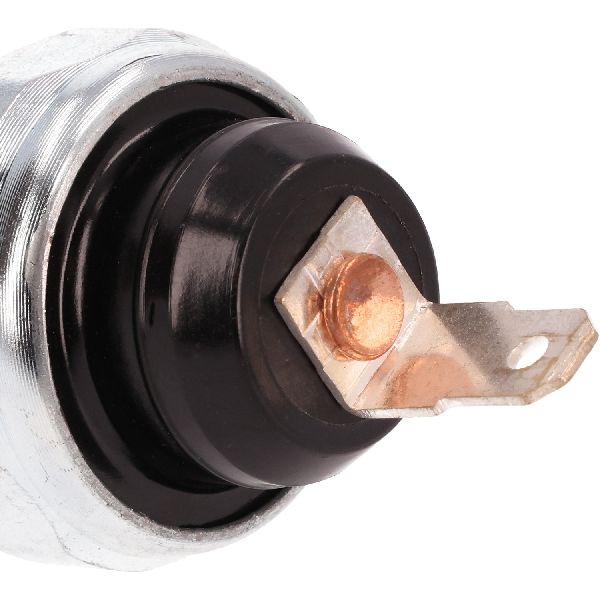
The part is either a switch for a warning light or a variable-resistance sending unit for a gauge. It typically has a 1/8-27 NPT thread size for installation into the engine block. The electrical connector is a single spade terminal.
We Have This Part in Stock


The information in this article is provided for general reference and educational purposes only. Vehicle specifications, procedures, and part compatibility can vary by production date, trim level, and region. Always consult your vehicle's factory service manual and verify part numbers before purchasing or performing repairs. Safety-critical components such as airbags, seat belts, and braking systems should be installed by a qualified professional.