

Choosing the Right Distributor for Your 1967-1973 Chevrolet Impala
Upgrade your classic Impala's ignition system for better reliability and performance.
- Upgrading from the original points distributor to a new electronic (HEI) unit is the single best choice for improved reliability and performance.
- It is critical to set the engine timing correctly with a timing light after installation; incorrect timing can cause poor running or engine damage.
- Choose a brand based on your needs: Performance brands like MSD are for modified engines, while Pertronix and Accel are excellent for street-driven cars.
- Ensure the new distributor is compatible with your specific V8 engine (e.g., 327, 350, 454) and camshaft type.
Signs of a Failing Distributor
On a classic car like a 1967-1973 Impala, the distributor is a common source of engine problems. Because it has both mechanical and electrical parts that wear out, a failing distributor can cause a wide range of issues. If you experience any of the following, it might be time for a replacement.
- Engine Misfires or Rough Running: You might feel a jerking or stumbling, especially under load. This can be caused by a worn cap, rotor, or internal components.
- Hard Starting: If the engine cranks for a long time before it starts, or won't start at all, the distributor might not be sending a strong or properly timed spark.
- Backfiring: A loud pop from the engine or exhaust can happen when the ignition timing is off due to a faulty distributor.
- Shaking or Rough Idle: An engine that shakes or idles unevenly could have a distributor with worn shaft bushings, which causes inconsistent timing.
- Loss of Power: If the car feels sluggish and hesitates when you accelerate, the distributor's advance mechanism might be stuck or worn out.
OEM vs. Aftermarket: The Electronic Ignition Upgrade
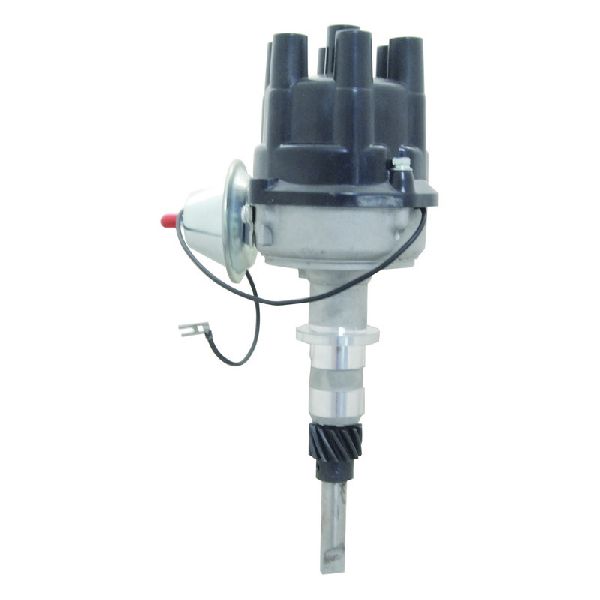
Original distributors on these Impalas used a "points-and-condenser" system. This was the standard for its time but required frequent maintenance and adjustment. The points wear down, causing timing to drift and performance to suffer. Today, nearly all new aftermarket distributors are electronic, most commonly a High Energy Ignition (HEI) style unit. This is a significant upgrade for any classic Impala that is driven regularly.
Why Go Electronic?
Upgrading from a points-style distributor to a new electronic unit is one of the best reliability improvements you can make. Electronic distributors provide a stronger, more consistent spark, eliminate the need for regular points adjustments, and offer better performance and easier starting. For most owners, this is the recommended path.
Choosing the Right Aftermarket Distributor
With many brands available, choosing the right one depends on your budget and how you use your Impala. They generally fall into three tiers.
Performance Tier (MSD, FAST)
Brands like MSD are a top choice for performance and racing applications. They are known for high-quality billet construction, powerful ignition output, and precise timing adjustments. While they are the most expensive option, they offer the best performance for modified engines or those who demand the highest quality.
Street Performance & Reliability Tier (Pertronix, Accel, Edelbrock)
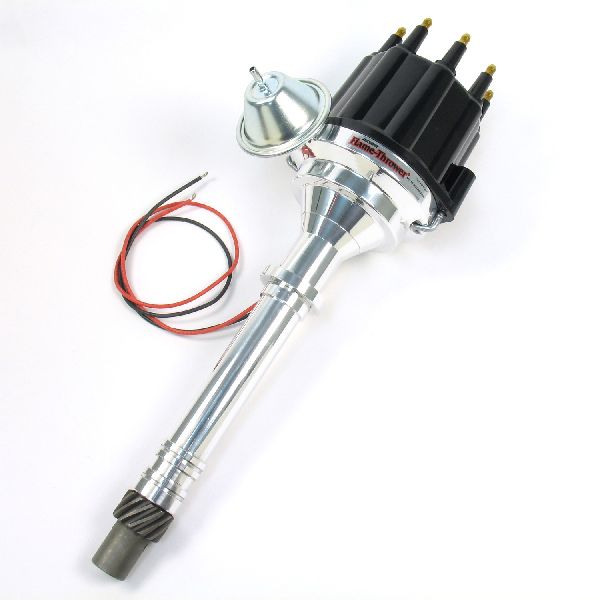
This is the sweet spot for most classic car owners. Pertronix is very popular for their complete electronic distributors and their conversion kits that upgrade an original distributor to electronic ignition. Accel offers a range of HEI distributors that are considered reliable and a good value, often seen as a solid replacement for stock GM units. Edelbrock also offers quality components that pair well with their other performance parts.
Standard Replacement Tier (Cardone, WAI Global)
These brands offer cost-effective, direct-fit replacements. Cardone often provides remanufactured units, but also offers new ones that meet original specifications. WAI Global manufactures 100% new distributors that are a popular choice in the standard replacement market. While some users report success, others have experienced quality issues, making them better suited for a stock-level repair on a budget.
Estimated Replacement Costs
| Part Type | Estimated Cost |
|---|---|
| New Aftermarket | $95 - $600 |
| Remanufactured Aftermarket | $80 - $250 |
| Used OEM (Points-style) | $50 - $150 (will likely need rebuilding) |
| Shop Labor | $150 - $300 |
Note: A New OEM distributor for this vehicle is no longer available from the manufacturer. A used OEM part would be a points-style unit requiring a full rebuild to be reliable.
Frequently Asked Questions
What is an HEI distributor?
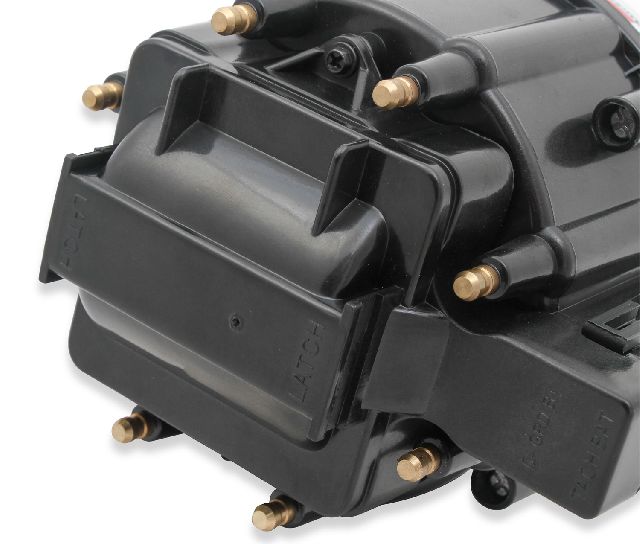
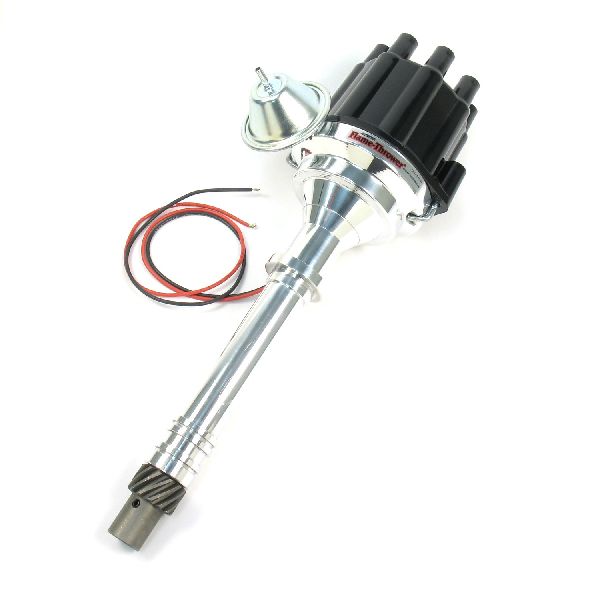
HEI stands for High Energy Ignition. It's a type of electronic ignition system developed by GM that integrates the ignition coil into the top of the distributor cap, creating a clean, one-piece design. They produce a much higher voltage spark than the original points system, leading to better performance and reliability. Many aftermarket distributors for the Impala are HEI-style units.
Do I need a new ignition coil with my new distributor?
It depends. If you are installing an HEI-style distributor, the coil is built into the cap. If you are installing a different style of electronic distributor, like some from Pertronix or MSD, you will likely need to upgrade your coil to one that is compatible with the new system to get the full benefit. Check the distributor manufacturer's recommendations.
Can I replace the distributor myself?
Yes, this is a job a DIYer can do, but it requires care. You must set the engine to Top Dead Center (TDC) on the #1 cylinder before removing the old distributor. It is critical to mark the position of the old distributor and the rotor before you take it out. The new distributor must be installed in the exact same orientation, and then the ignition timing must be set with a timing light. Failure to do this correctly can prevent the engine from starting or cause severe engine damage.
What are common mistakes when ordering a distributor?
The most common mistake is not matching the distributor to your specific engine. The 1967-1973 Impala was available with several different V8 engines (e.g., 283, 327, 350, 400, 427, 454). Ensure the distributor you order is specified for your engine size. Also, be aware of the distributor gear material; it must be compatible with your camshaft (e.g., cast iron gear for a flat-tappet cam, melonized/steel gear for a roller cam).
Technical Specifications
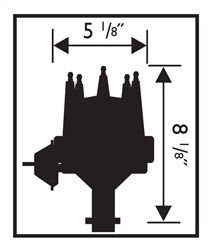
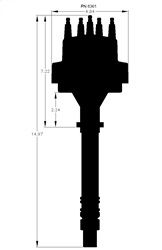
Vehicle is compatible with multiple V8 engines from this era (Small Block and Big Block Chevy). Distributors are either points-style (OEM) or electronic/HEI (aftermarket). Most aftermarket units feature a cast aluminum housing, mechanical and vacuum advance, and include a cap and rotor.
We Have This Part in Stock

The information in this article is provided for general reference and educational purposes only. Vehicle specifications, procedures, and part compatibility can vary by production date, trim level, and region. Always consult your vehicle's factory service manual and verify part numbers before purchasing or performing repairs. Safety-critical components such as airbags, seat belts, and braking systems should be installed by a qualified professional.
- 🛍️ Shop This Part
- Signs of a Failing Distributor
- OEM vs. Aftermarket: The Electronic Ignition Upgrade
- Why Go Electronic?
- Choosing the Right Aftermarket Distributor
- Performance Tier (MSD, FAST)
- Street Performance & Reliability Tier (Pertronix, Accel, Edelbrock)
- Standard Replacement Tier (Cardone, WAI Global)
- Estimated Replacement Costs
- Frequently Asked Questions
- 🎟️ Get 5% Off