

Ford F-100 Starter Replacement Guide for 1967-1976 Models
Solve your classic F-100's starting problems, from heat soak to the dreaded 'click-no-crank'.
- Always diagnose the battery, cables, grounds, and fender-mounted solenoid before replacing the starter; they are common failure points.
- For a permanent fix to hot-start problems ('heat soak'), especially on V8 models, upgrade to a modern high-torque mini-starter.
- Be prepared to use long socket extensions to access the hidden top mounting bolt on FE-series engines (360/390).
- It is highly recommended to replace the inexpensive fender-mounted solenoid at the same time as the starter to ensure a reliable starting system.
Is Your F-100 Starter Failing? Common Symptoms
A bad starter on these classic Ford trucks gives clear warnings. If you notice these signs, it's probably time for a replacement, but be sure to read the warning below before you buy.
- Single Loud "Click," Then Nothing: You turn the key and hear one sharp click from under the hood, but the engine doesn't turn over. This can be a dead spot on the starter motor, but it very often points to a bad fender-mounted solenoid.
- Slow, Labored Cranking: The engine turns over, but it sounds weak and sluggish, like the battery is dying. If this happens mostly when the engine is hot, it's a classic symptom of starter "heat soak."
- Grinding or Whirring Noise: A harsh grinding sound when you try to start means the starter gear isn't meshing correctly with the flywheel. A high-pitched whirring noise without the engine cranking means the starter motor is spinning but not engaging the flywheel at all.
- No Sound at All: If you turn the key and hear nothing, the problem could be the battery, ignition switch, or wiring, but it can also be a completely dead starter.
Stop! Diagnose Before You Replace
Many starting problems on these trucks are NOT a bad starter. Before spending money on a new starter, check these common failure points:
- Battery and Cables: Make sure your battery is fully charged and the terminals are clean and tight. Corroded or loose cables are a very common cause of starting issues.
- Grounds: Check the ground cables from the battery to the frame and from the frame to the engine block. A bad ground can cause a click with no crank.
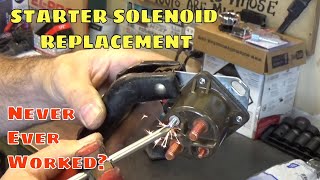
- Fender-Mounted Solenoid: This part fails more often than the starter itself. It's inexpensive and easy to replace. If you only hear a click, the solenoid is the most likely culprit. 🎬 Watch: How to replace a failing fender-mounted solenoid
Choosing the Right Aftermarket Starter
For a 1967-1976 F-100, new OEM starters from Ford are generally not available. The market consists of new aftermarket and remanufactured aftermarket parts. Both can be reliable options.
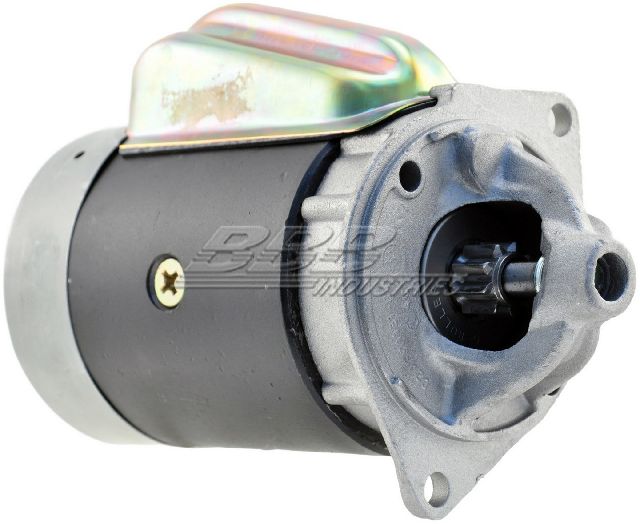
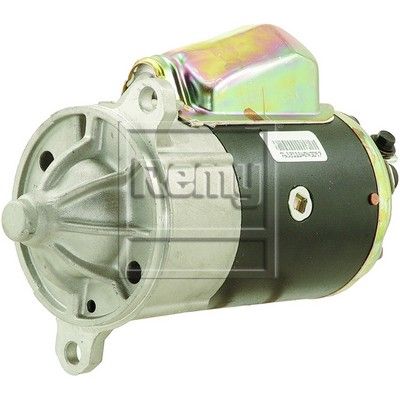
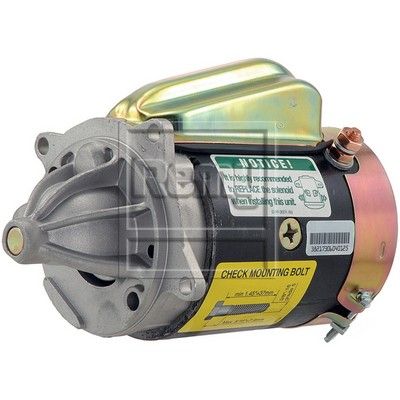
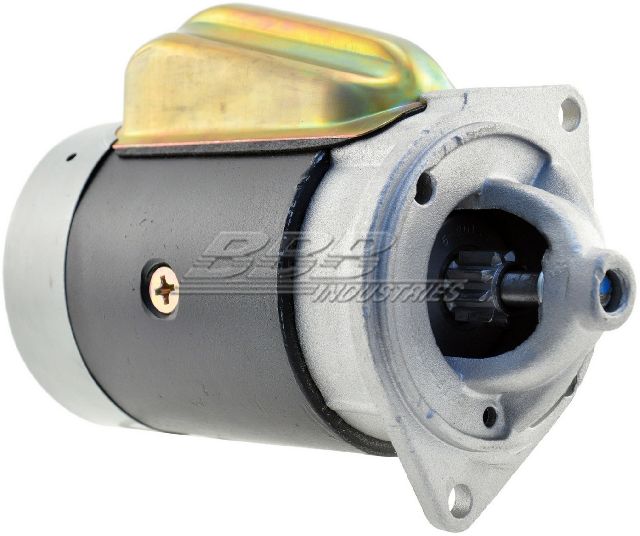
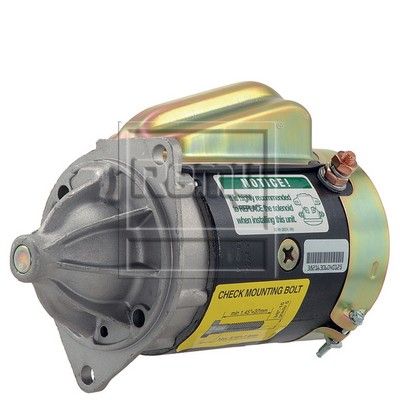
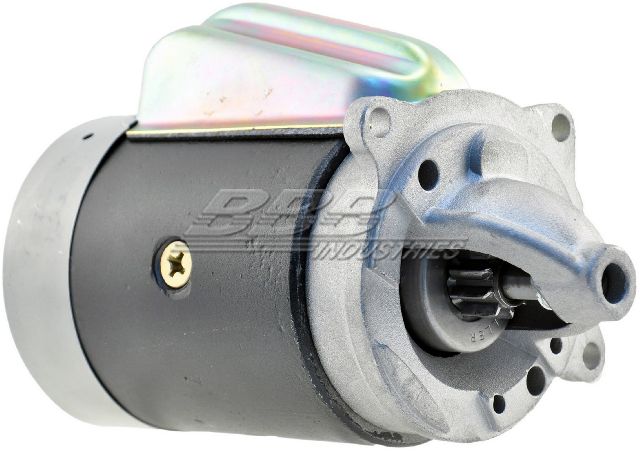
Tier 1: Standard Replacement (BBB Industries, Remy, WAI Global)
These brands produce new or remanufactured starters that are designed to be direct, factory-style replacements. For a stock truck used for normal driving, a quality standard replacement is a cost-effective choice. They are built to meet or exceed original specifications and will restore your truck's starting performance. While some big-box store parts can have mixed reviews, brands like Remy are often seen as reliable for American vehicles.
Tier 2: High-Torque / Mini-Starter Upgrade (Powermaster, MSD)
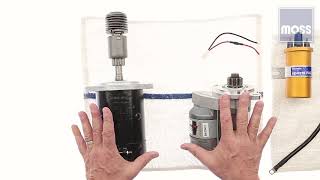
If your truck suffers from "heat soak" (struggles to start when hot), a high-torque gear-reduction starter is the best solution. This is a very common issue on F-100s with V8 engines, where the exhaust runs close to the starter. These modern starters are smaller, lighter, and use a gear system to produce more cranking power with less electricity, overcoming the heat-related resistance. Brands like Powermaster are highly recommended in forums for permanently fixing hot-start problems.
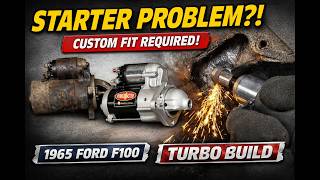
🎬 See how to install a Powermaster mini-starter on an FE engineEstimated Replacement Costs
| Part Type | Estimated Part Cost |
|---|---|
| New Aftermarket | $111 - $157 |
| Remanufactured Aftermarket | $70 - $140 |
| Used OEM | $40 - $80 |
| Shop Labor | $150 - $250 |
Installation Tip: The Hidden Top Bolt
On Ford FE engines (like the 360 and 390 V8s), the starter is held on by two bolts you can see and one that is hidden on top. This top bolt can be very hard to reach. Mechanics often use a very long socket extension with a universal joint to access it from in front of the starter, going over the motor mount. Be patient; it's there!
Frequently Asked Questions (FAQ)
What is starter "heat soak"?
Heat soak happens when the starter gets very hot from the engine's exhaust, especially on V8 models. This heat increases electrical resistance inside the starter, preventing it from drawing enough power to crank a hot engine, even though it works fine when cold. The best fix is upgrading to a modern high-torque mini-starter that is less affected by heat.
Should I replace the fender solenoid at the same time?
Yes, it's a great idea. The fender-mounted solenoid is a known failure point on these trucks and is inexpensive. Since you are already working on the starting system, replacing it with a quality new one can prevent future problems and ensure your new starter gets a clean, strong signal.
How hard is it to replace the starter on my F-100?
For a DIY mechanic with basic tools, this is a manageable job. The main challenges are safely lifting and supporting the truck and accessing the top mounting bolt on some V8 engines. The process involves disconnecting the battery, removing the cables from the starter, unbolting the old starter, and installing the new one.
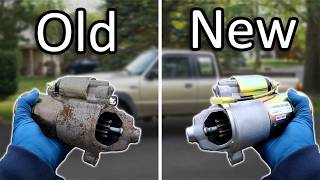
🎬 Watch this step-by-step F-100 starter removal and replacement guideIs a new or remanufactured starter better?
A new aftermarket starter is made of all-new components. A quality remanufactured starter is completely disassembled, cleaned, and has all its wear items (like brushes and bearings) replaced with new parts before being tested to factory specs. For a classic truck, a quality remanufactured part from a trusted brand is often just as reliable as a new one and can be a good value.
Helpful Videos
Technical Specifications
Starters for this generation F-100 are typically direct-drive units. Fitment varies based on the engine (e.g., 240/300 I6 vs. 302/351/360/390 V8) and transmission type (manual vs. automatic). Verify the correct part for your specific configuration before ordering.
We Have This Part in Stock

The information in this article is provided for general reference and educational purposes only. Vehicle specifications, procedures, and part compatibility can vary by production date, trim level, and region. Always consult your vehicle's factory service manual and verify part numbers before purchasing or performing repairs. Safety-critical components such as airbags, seat belts, and braking systems should be installed by a qualified professional.
- 🎬 Helpful Videos
- 🛍️ Shop This Part
- Is Your F-100 Starter Failing? Common Symptoms
- Stop! Diagnose Before You Replace
- Choosing the Right Aftermarket Starter
- Tier 1: Standard Replacement (BBB Industries, Remy, WAI Global)
- Tier 2: High-Torque / Mini-Starter Upgrade (Powermaster, MSD)
- Estimated Replacement Costs
- Installation Tip: The Hidden Top Bolt
- Frequently Asked Questions (FAQ)
- 🎟️ Get 5% Off