

Mercury Cougar Universal Joint Replacement Guide: 1967-1980
Address the clunks, clicks, and vibrations from your classic Cougar's driveline by choosing the right U-joint.
- Confirm your Cougar's U-joint size before ordering; most small-blocks use the 1310 series, while big-blocks use the stronger 1330 series.
- For maximum durability and strength, choose a non-greasable U-joint from a premium brand like Dana Spicer.
- It is strongly recommended to replace both U-joints at the same time, along with the rear U-bolt hardware.
- A vibration that increases with speed is a serious symptom that requires immediate inspection to prevent a complete driveshaft failure.
Symptoms of a Failing Universal Joint
A worn U-joint gives several warning signs. Ignoring them can lead to a complete failure where the driveshaft disconnects, which can cause major damage. Listen and feel for these symptoms:
- Clicking or Squeaking Noises: A rhythmic clicking or squeaking that gets faster as you speed up is a classic sign of a dry or worn U-joint. You might hear it most at low speeds.
- Loud Clunking Sound: A distinct "clunk" or "bang" when you shift from Park into Drive or Reverse points to excessive play in the joint. You may also hear it when you accelerate.
- Vibration While Driving: A vibration you can feel through the floor or seats that gets worse at higher speeds is a serious symptom. This means the worn U-joint has thrown the driveshaft out of balance.
- Visible Rust or Leaks: If you see rust-colored dust around the bearing caps, it means moisture has gotten inside and the internal needle bearings are failing. Grease leaking from the seals is also a bad sign.
Choosing the Right Aftermarket U-Joint
Original Ford U-joints from this era are no longer manufactured. Today's aftermarket parts often meet or exceed the quality of the originals, especially from reputable brands. The most important factor for your 1967-1980 Cougar is selecting the correct size, which is usually either a 1310 series or a 1330 series.
Pro Tip: Know Your U-Joint Series
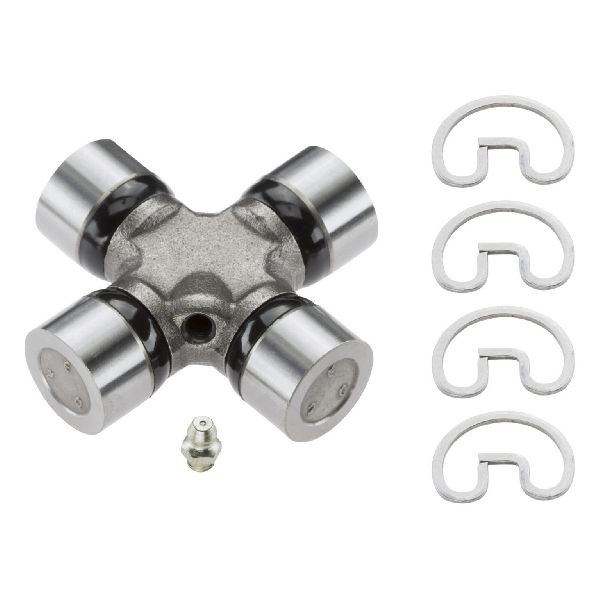
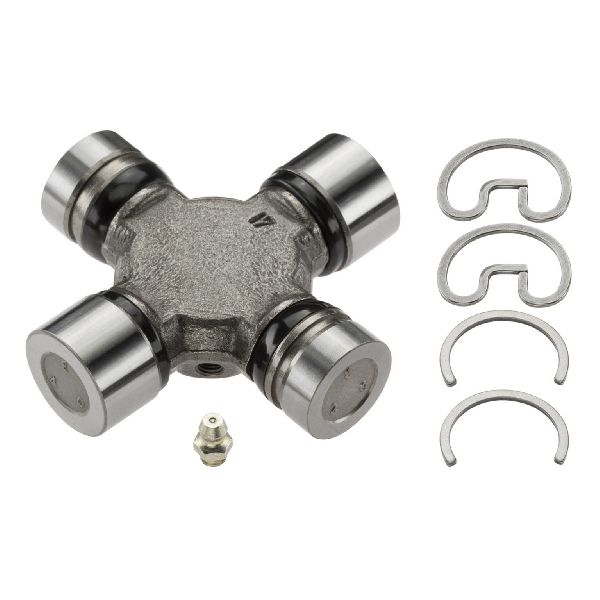
Generally, Cougars with small-block engines (like the 289 and 302) used the 1310 series U-joints. Big-block and high-performance models (390, 428, Boss 302) typically used the stronger and wider 1330 series. While both may use the same 1-1/16" bearing cap, the 1330 cross is wider. Always measure your old parts or confirm your vehicle's specific requirements before ordering.
Aftermarket Brand Tiers
Premium / Heavy-Duty Brands:
- Dana Spicer: Widely considered the best in the industry and the original equipment supplier for many vehicles. Enthusiasts often recommend their non-greasable joints for maximum strength, as the solid cross is stronger than one drilled for a grease fitting.
- Yukon Gear & Axle: Known for extremely durable drivetrain parts, often used in racing and off-road applications. A Yukon U-joint is a top-tier, heavy-duty choice that offers exceptional strength.
Standard / OEM-Quality Brands:
- Moog: A well-known and respected brand that offers quality replacement parts. While some users in forums mention concerns about declining quality on certain product lines, their U-joints are generally considered a reliable choice for a daily driver or stock restoration.
- SKF: A global manufacturer of bearings and seals, SKF is another trusted name for reliable, OEM-quality U-joints.
Economy Brands:
- GMB: Often available at a lower price point, GMB produces parts that meet or exceed OEM specifications. They can be a good choice for a budget-conscious repair on a standard vehicle, though many classic car enthusiasts prefer to spend more for a premium brand like Spicer.
Greasable vs. Non-Greasable U-Joints
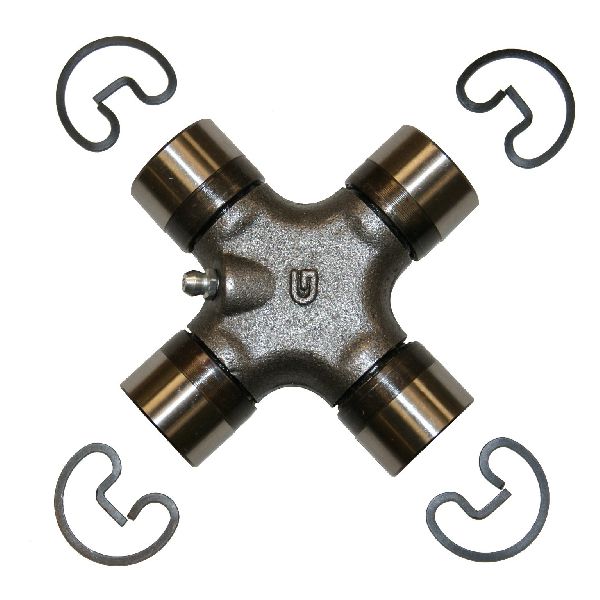
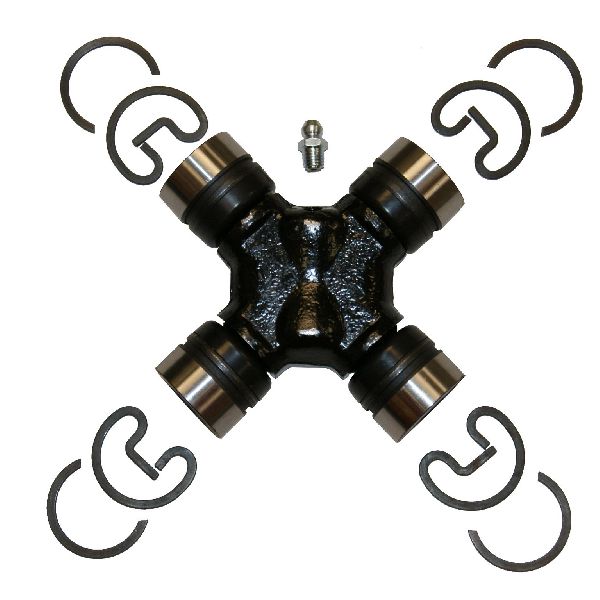
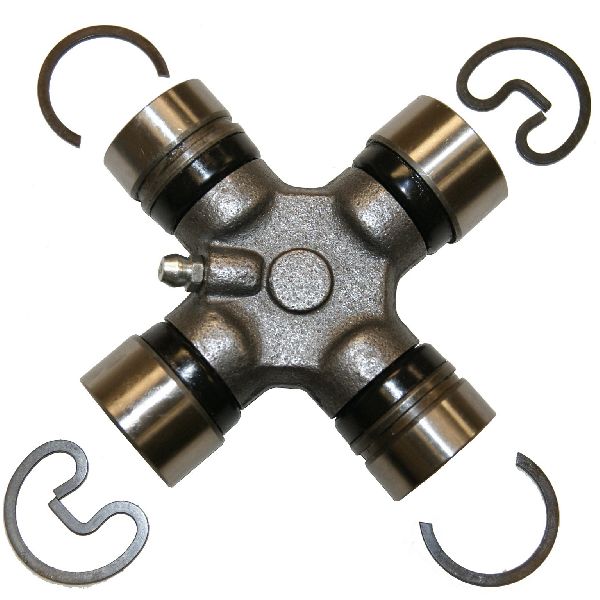
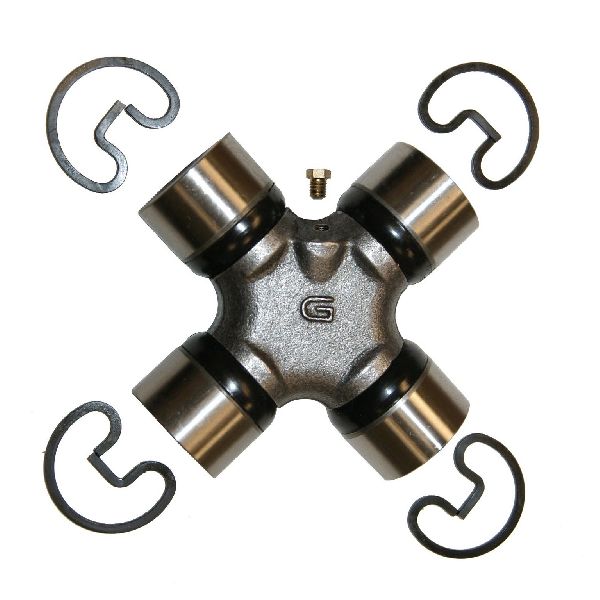
Greasable U-joints have a zerk fitting that allows you to add fresh grease, which can extend their life if done regularly. However, the hole drilled for the fitting creates a weak point in the U-joint's cross. Non-greasable (or solid) U-joints are sealed from the factory and are considered stronger. For most street-driven classic cars, a high-quality non-greasable joint from a brand like Spicer is often the preferred "fit and forget" option.
Estimated Costs for Universal Joint Replacement
| Part/Service | Estimated Cost |
|---|---|
| New Aftermarket U-Joint (per joint) | $19 - $108 |
| Shop Labor | $150 - $350 |
| Total Estimated Cost (Shop) | $190 - $570 |
Cost estimates are for replacing two U-joints and do not include taxes or potential driveshaft balancing fees. Prices can vary based on location and the specific parts chosen.
Frequently Asked Questions (FAQ)
How many U-joints does my 1967-1980 Cougar have?
Most Cougars from this period have two universal joints: one at the transmission end of the driveshaft and one at the rear axle end. It is highly recommended to replace both at the same time.
Can I replace a U-joint myself?
Yes, if you are an experienced DIY mechanic with the right tools. The job requires safely raising the vehicle, removing the driveshaft, and using a heavy-duty bench vise or a U-joint press to remove the old joints and install the new ones. Rusted or seized parts can make it a difficult job without a press.
Do I need to balance my driveshaft after replacing the U-joints?
It is good practice. While careful installation may not disturb the balance, it's easy to knock off a factory balance weight during the repair. If you experience any vibration after the replacement, the driveshaft should be professionally balanced.
What are the U-bolts for?
The rear U-joint is typically held to the rear axle yoke with two U-bolts or straps. It is recommended to replace this hardware when you replace the U-joints, as the old bolts can stretch and fatigue over time.
Technical Specifications
OEM Part Numbers: C3AZ-4635-C C3AZ-4635-E C3AZ-4635-G C3AZ-4635-H
Common Series: 1310, 1330. 1310 Series: Typically 1.062" (1 1/16") cap diameter and ~3.219" width. 1330 Series: Typically 1.062" (1 1/16") cap diameter and ~3.625" width.
We Have This Part in Stock

The information in this article is provided for general reference and educational purposes only. Vehicle specifications, procedures, and part compatibility can vary by production date, trim level, and region. Always consult your vehicle's factory service manual and verify part numbers before purchasing or performing repairs. Safety-critical components such as airbags, seat belts, and braking systems should be installed by a qualified professional.