

A Comprehensive Guide to Spark Plugs for the 1968-1972 Ford F-250
Keep your classic F-250 running strong by choosing the right spark plugs for its vintage engine.
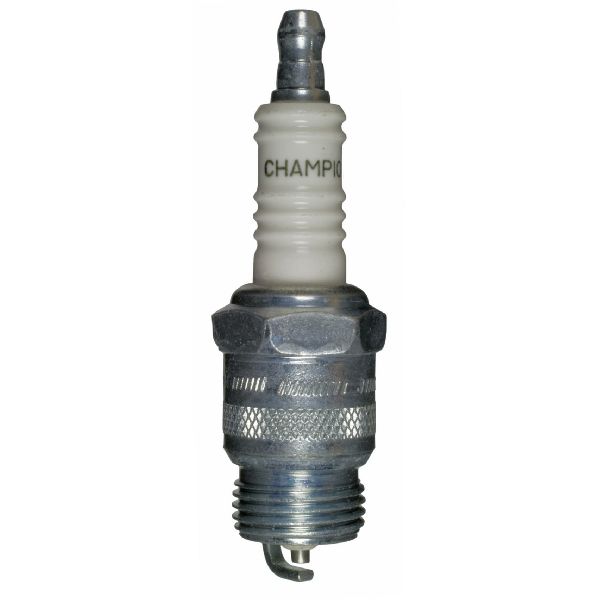
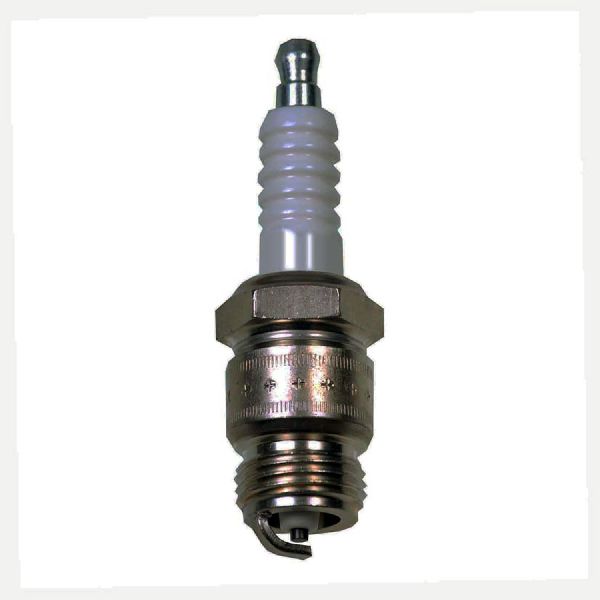
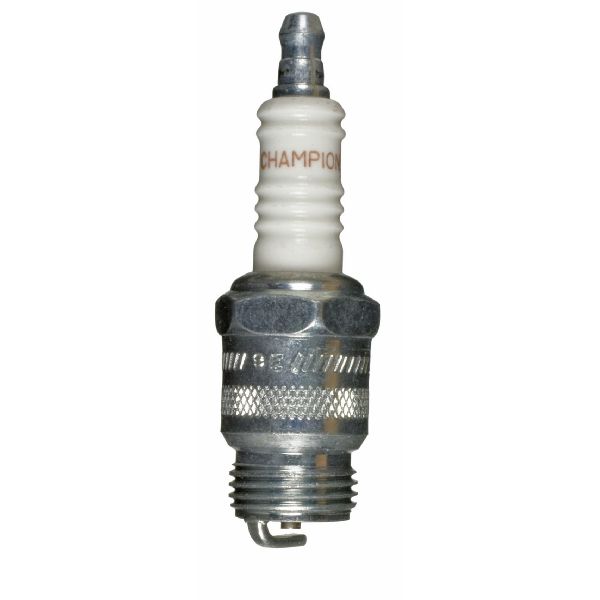
- For a stock 1968-1972 F-250, stick with standard copper-core spark plugs from brands like Autolite, NGK, or Champion for the best performance.
- Always verify the spark plug gap is set to 0.035 inches with a gapping tool before you install them.
- For the common 360 and 390 V8 engines, the Autolite 45 (or equivalent Motorcraft BSF42C / NGK WR5) is a proven and reliable choice.
- Use a small amount of anti-seize on the threads to prevent the plugs from seizing in the cast-iron cylinder heads.
Symptoms of Failing Spark Plugs

The simple ignition systems on these classic trucks are very telling when spark plugs start to wear out or get fouled with fuel or oil. A fouled plug is one that's coated in a substance that prevents it from sparking correctly. If you notice any of the following signs, your spark plugs are an easy and inexpensive place to start your diagnosis.
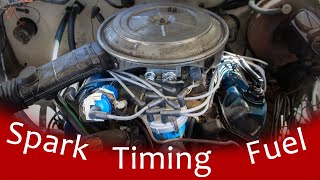
- Rough Idling: Your truck may shake or sound unsteady when stopped at a light. 🎬 Watch this guide on diagnosing and fixing a rough idle.
- Engine Misfires: You might feel a stumble or hesitation from the engine when you're driving or accelerating.
- Reduced Fuel Economy: Worn plugs lead to inefficient combustion, meaning you'll be stopping for gas more often.
- Poor Acceleration: A weak or inconsistent spark can make your truck feel sluggish and underpowered.
- Hard Starting: The engine may take longer than usual to fire up, especially when cold.
Choosing the Right Aftermarket Spark Plug

For a 1968-1972 F-250, newer and more expensive doesn't mean better. These trucks' original ignition systems were designed for standard copper-core spark plugs. Fancy plugs made of platinum or iridium are designed for modern, high-energy ignition systems and often provide no benefit in a stock vintage truck. In fact, they can sometimes perform worse.
Brand Tiers & Recommendations
Your F-250 could have one of several engines, including the 240 I6, 300 I6, 360 V8, or 390 V8. While plug specifics can vary, the general advice on material and brands holds true for all stock motors.
| Tier | Brands | Best For |
|---|---|---|
| Standard Replacement (Recommended) | Autolite, NGK, Champion | Stock or lightly modified engines. These copper-core plugs are what the engine was designed for, offering excellent performance and heat conductivity. Autolite was a frequent original equipment supplier for Ford, and the Autolite 45 is a common recommendation for the 360 and 390 V8s. |
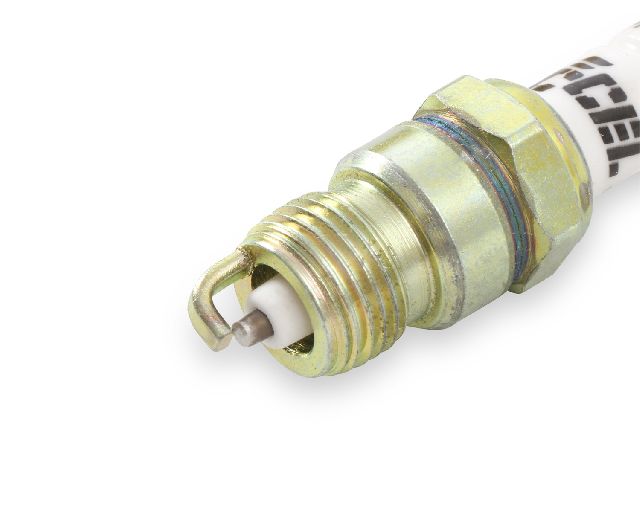
| Premium / Performance | Denso, Accel, MSD, NGK (Iridium/Platinum) | Heavily modified engines with high-output, aftermarket electronic ignition systems. For a stock engine, these are generally not necessary and can be a waste of money. |
Check The Gap!
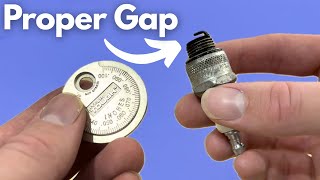
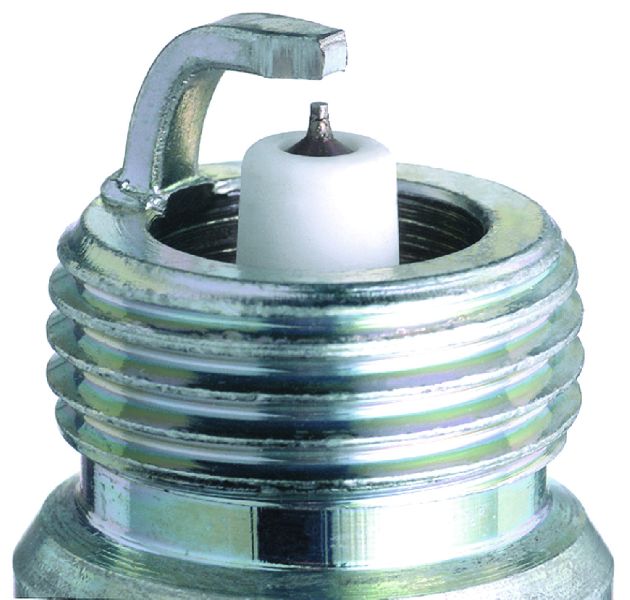
Always check the spark plug gap before installation, even if the box says they are "pre-gapped." The correct gap for a stock 1968-1972 F-250 is 0.035 inches. An incorrect gap is a common cause of poor performance after a tune-up. A simple gapping tool is all you need for this critical step.
🎬 See how to properly gap your new spark plugs.Known Issues & Recalls
There are no specific recalls or Technical Service Bulletins (TSBs) from the NHTSA related to spark plugs for the 1968-1972 Ford F-250. The well-known Ford issue of spark plugs breaking in the cylinder head applies to much later 3-valve modular engines from the 2000s and is not a concern for these vintage trucks. The most common issue reported by owners is simply ordering plugs with the wrong thread size; it's a good idea to bring an old plug with you to the parts store to compare.
Installation & Cost Overview

Replacing the spark plugs on these trucks is a straightforward job that most owners can do themselves with basic tools in about an hour.
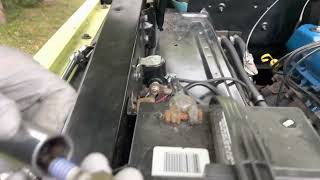
🎬 Watch this step-by-step walkthrough for changing plugs on your F-250.| Item | Cost |
|---|---|
| Standard Copper Plugs (Set of 6 or 8) | $20 - $40 |
| Premium Iridium/Platinum Plugs (Set of 6 or 8) | $60 - $150+ |
| Estimated Shop Labor | $75 - $150 |
Use Anti-Seize Sparingly
It is recommended to apply a very small amount of anti-seize compound to the plug threads before installation. This prevents the steel plugs from getting stuck (galling) in the cast-iron cylinder heads, which can make them very difficult to remove in the future. Be careful not to get any on the electrode.
Frequently Asked Questions (FAQ)

How often should I change the spark plugs on my F-250?
For a classic truck using standard copper plugs, a good rule of thumb is to replace them every 15,000 to 20,000 miles or every couple of years as part of a regular tune-up. These older ignition systems wear out plugs faster than modern cars.
Do the 360 and 390 V8 engines use the same spark plug?
Yes, in most cases, the Ford FE engines of this era, like the 360 and 390, use the same spark plug. The Autolite 45 or its equivalent from other brands (like Motorcraft BSF42C or NGK WR5) is a widely recommended choice for both.
What tools do I need to change my spark plugs?
You will need a ratchet, a spark plug socket (usually 5/8" or 13/16"), an extension, a torque wrench, and a spark plug gapping tool. It's also a good idea to have some dielectric grease for the spark plug boots.
Can I use platinum or iridium plugs in my truck?
While they will physically fit, it is not recommended for a stock engine. The low-voltage ignition system was designed for copper plugs. Using more expensive plugs will not increase performance and may even lead to a weaker spark and fouling issues.
Helpful Videos

Technical Specifications
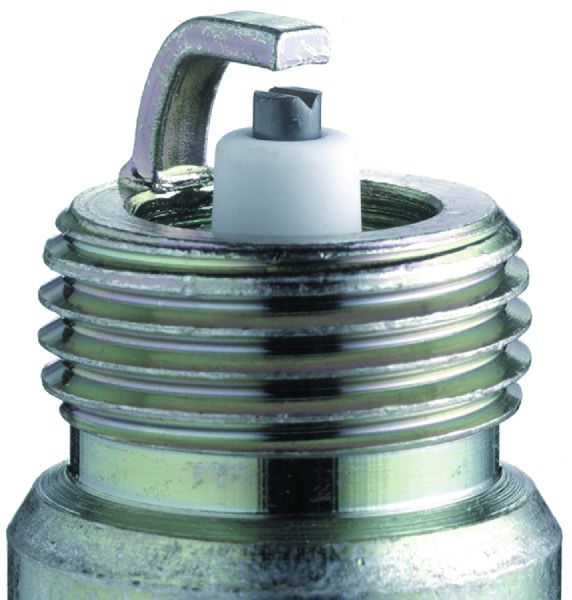
OEM Part Numbers: Autolite 45 Motorcraft BSF42C Motorcraft BRF42 NGK WR5 (2438)
Stock Spark Plug Gap: 0.035 inches Recommended Material: Copper Core Thread Size: 18mm (for most V8s, confirm with old plug)
We Have This Part in Stock

The information in this article is provided for general reference and educational purposes only. Vehicle specifications, procedures, and part compatibility can vary by production date, trim level, and region. Always consult your vehicle's factory service manual and verify part numbers before purchasing or performing repairs. Safety-critical components such as airbags, seat belts, and braking systems should be installed by a qualified professional.