

Choosing Spark Plug Wires for Your 1968-1974 Chevrolet C20 Pickup
Keep your classic C20's engine firing on all cylinders with the right set of spark plug wires.
- For a stock C20, quality standard wires from ACDelco or NGK are sufficient and reliable.
- If you have aftermarket exhaust headers, upgrade to 8mm+ wires from brands like Taylor or MSD for better heat resistance.
- Always replace wires one at a time to avoid mixing up the engine's firing order.
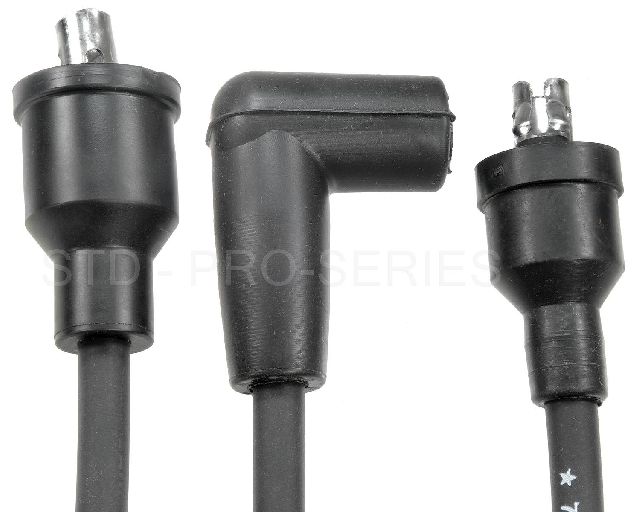
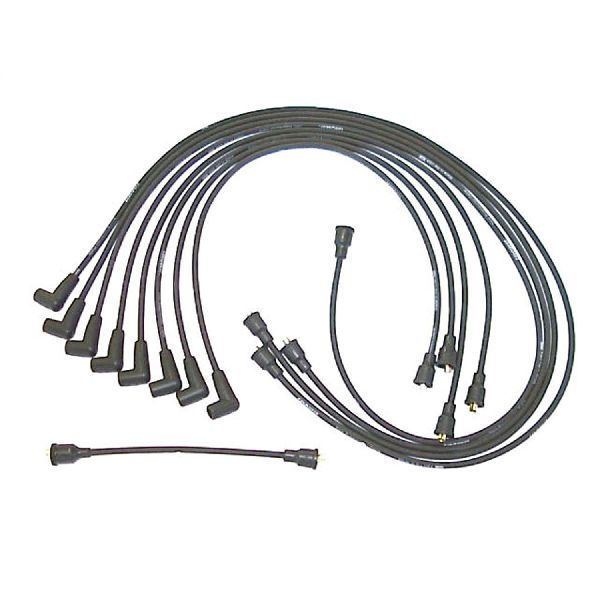
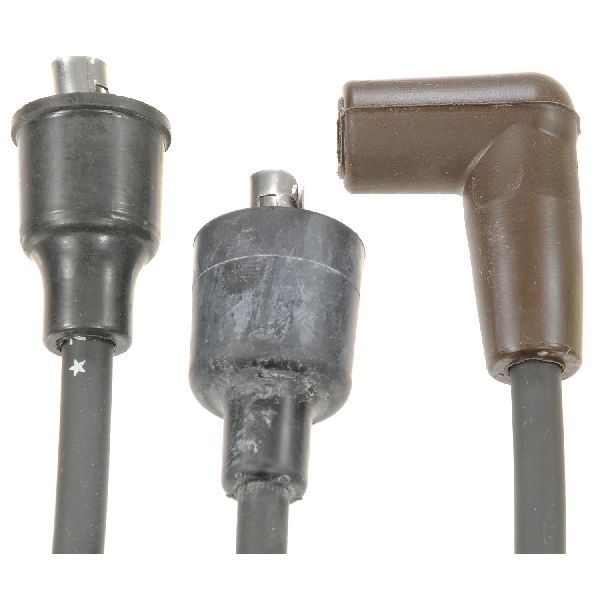
- Pay close attention to the spark plug boot angle (straight, 45°, or 90°) to ensure proper clearance from hot exhaust parts.
Signs of Failing Spark Plug Wires
When the spark plug wires on your C20 start to fail, your truck will let you know. The symptoms often start small but get worse over time. A visual check is a good place to start; look for obvious signs of cracking, melting, or burn marks on the wires and boots.
- Rough Idle: The engine may shake or run unevenly when you're stopped.
- Engine Misfires: You might feel a hesitation or stumble from the engine, especially under acceleration.
- Hard Starting: The engine may crank longer than usual before starting, or it might not start at all.
- Poor Acceleration: Your truck may feel sluggish or down on power.
- Reduced Fuel Economy: If you're making more trips to the gas station, weak spark could be wasting fuel.
Heat is the Enemy
For 1968-1974 C20 pickups, especially those with V8 engines, the biggest threat to spark plug wires is heat from the exhaust manifolds. This is even more of a concern if you have aftermarket headers. Wires that are routed too close can melt, causing a definite misfire. When choosing a new set, pay close attention to the spark plug boot angle (straight, 45°, or 90°) to ensure there is enough clearance from hot exhaust parts.
Choosing the Right Aftermarket Wires
For a classic truck like the '68-'74 C20, aftermarket spark plug wires are the primary choice. Original OEM wires are no longer made, but many aftermarket brands offer excellent quality, often exceeding original specifications. The wide price range reflects the difference between standard replacements and high-performance options.
Brand Tiers for Your C20
Not all wire sets are created equal. Here’s a breakdown of available brands to help you choose:
- OEM-Style Replacements (Good): Brands like ACDelco, Standard Wires (Standard Motor Products), and NGK offer dependable, OE-spec wires. These are a great choice for a stock or daily-driven truck and provide reliable performance at a good value. Many owners trust ACDelco for its GM heritage and consistent quality.
- Street Performance (Better): Brands such as Taylor Cable, Pertronix, and Accel offer thicker 8mm or 8.5mm wires with better heat resistance and lower electrical resistance. These are a smart upgrade if you have a modified engine, electronic ignition, or aftermarket exhaust headers that create more heat. Taylor wires are a favorite on truck forums for their quality and fit.
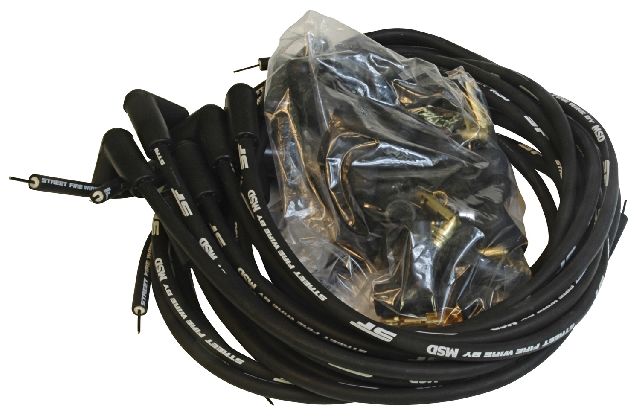
- High-Performance / Racing (Best): MSD and FAST are leaders in the high-performance ignition market. Their wire sets are built for the most demanding applications, offering superior heat protection and maximum spark delivery with very low resistance. While excellent, they may be overkill for a stock engine but are the right choice for serious performance builds.
| Part Type | Price Range |
|---|---|
| Standard Replacement Aftermarket | $24.15 - $75.00 |
| Street Performance Aftermarket | $75.00 - $150.00 |
| High-Performance / Racing Aftermarket | $150.00 - $253.19 |
Pro Tip: Use Dielectric Grease
When installing your new wires, apply a small amount of dielectric grease to the inside of each boot on both the spark plug and distributor ends. This grease prevents corrosion, seals out moisture, and makes the wires much easier to remove for future tune-ups.
Frequently Asked Questions (FAQ)
Do I need performance wires for my stock C20 engine?
No, it's not necessary. A quality standard replacement set from a brand like ACDelco or NGK will perform perfectly well on a stock engine. However, upgrading to a thicker 8mm wire can provide added durability and heat resistance for peace of mind.
What's the difference between 7mm, 8mm, and 8.5mm wires?
The measurement refers to the outside diameter of the wire. Thicker wires (like 8mm or 8.5mm) have more silicone insulation, which provides better protection against high engine temperatures and helps prevent voltage leaks. They also often have a different core that can offer lower resistance, allowing more energy to reach the spark plug.
Should I replace my spark plugs at the same time?
Yes, it is highly recommended. Spark plug wires and spark plugs wear out together. Replacing them at the same time ensures your entire ignition system is refreshed for optimal performance and reliability.
What is the most common installation mistake?
The most common and critical mistake is mixing up the firing order. To avoid this, always replace the wires one at a time. Remove one old wire from the distributor cap and spark plug, then install the new wire in the exact same position before moving to the next one.
Are there any recalls for 1968-1974 C20 spark plug wires?
No. A search of the National Highway Traffic Safety Administration (NHTSA) database shows no recalls or technical service bulletins (TSBs) related to spark plug wires for this vehicle. This is expected for a common wear-and-tear item on a classic vehicle.
Technical Specifications
Key specifications include wire diameter (typically 7mm for stock, 8mm-8.5mm for performance), core type (carbon suppression or spiral core), and spark plug/distributor boot angles (straight, 45-degree, 90-degree). Ensure the set is correct for your specific engine (I6 or V8).
We Have This Part in Stock

The information in this article is provided for general reference and educational purposes only. Vehicle specifications, procedures, and part compatibility can vary by production date, trim level, and region. Always consult your vehicle's factory service manual and verify part numbers before purchasing or performing repairs. Safety-critical components such as airbags, seat belts, and braking systems should be installed by a qualified professional.