

Ford Torino Rear Brake Drum Guide (1968-1976)
Everything you need to know about choosing the right new aftermarket brake drums for your classic Torino.
- Brake drums are a critical safety component; address symptoms like noise or pedal pulsation immediately.
- Always replace brake drums in pairs to ensure balanced braking.
- Verify your Torino's specific drum size (e.g., 10" or 11") before ordering, as sizes varied.
- For best results, replace the brake shoes, hardware, and wheel cylinders at the same time as the drums.
Signs of a Worn Brake Drum
Brake problems on a classic car like the Torino should be addressed immediately. If your brake drums are worn, you might notice a few things. A scraping or grinding noise when you brake is a common sign that the brake shoes are worn down and now metal is scraping against the drum. You might also feel a pulsation or vibration in the brake pedal, which can happen if the drum is warped or no longer perfectly round. Other signs include a brake pedal that feels soft or spongy, or a parking brake that doesn't hold the car securely anymore. If you notice any of these symptoms, it's time to inspect your brakes.
Brake System Warning
Do not ignore brake problems. A faulty brake drum can significantly increase your stopping distance or lead to a loss of braking ability. Inspect and repair any issues immediately for your safety.
Choosing the Right Aftermarket Brake Drum
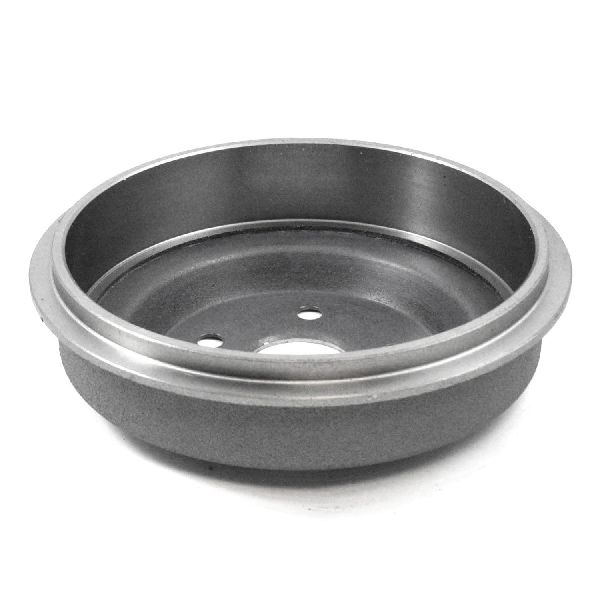
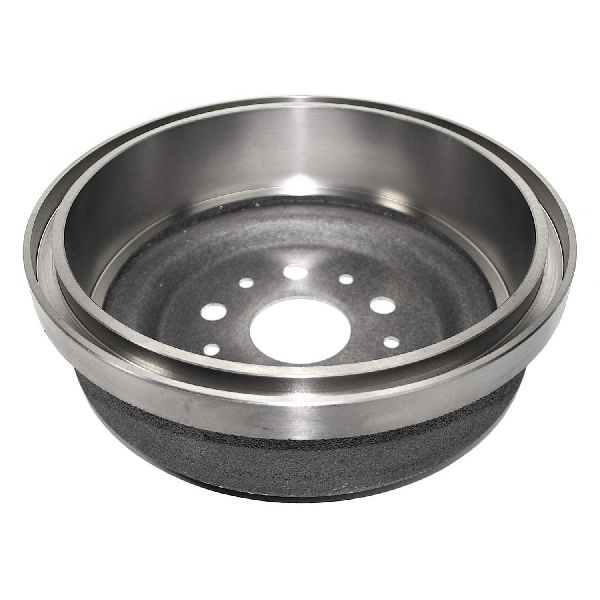
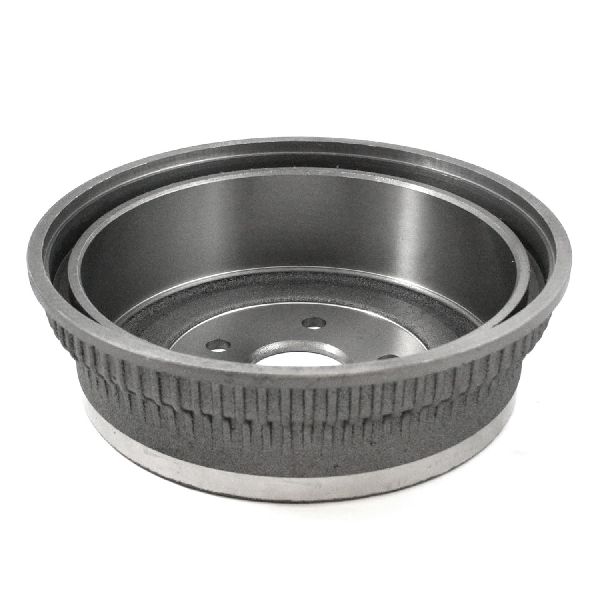
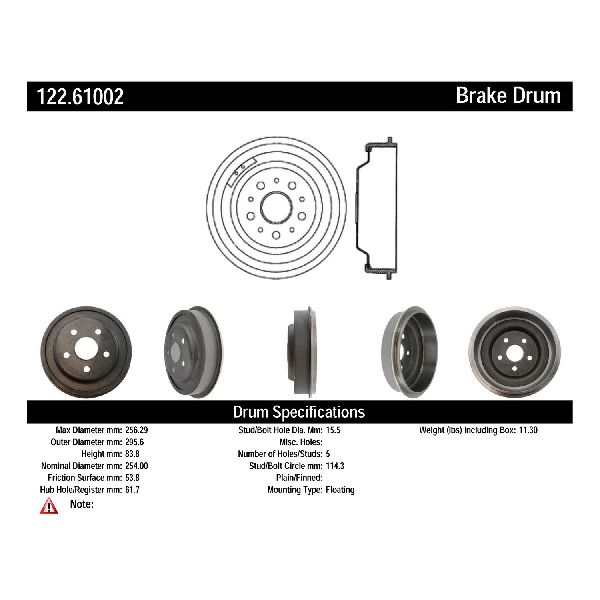
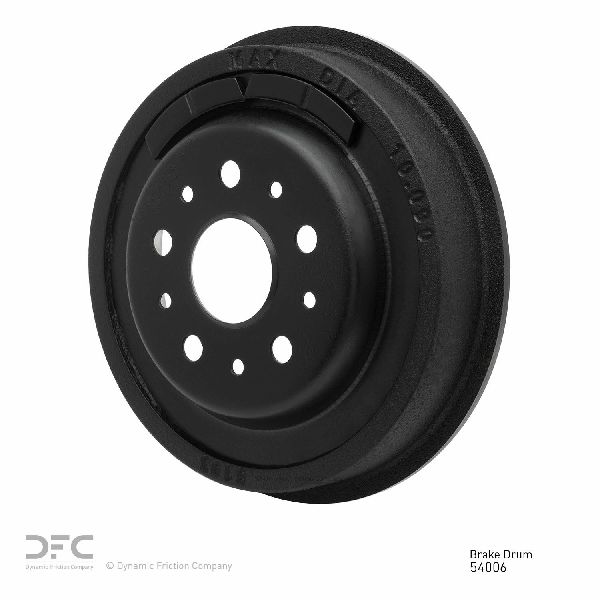
For a 1968-1976 Ford Torino, finding a New Old Stock (NOS) OEM brake drum is nearly impossible and would be very expensive. Aftermarket parts are the go-to solution. The good news is that several reputable brands manufacture quality drums for your car. The most important factor is ensuring you order the correct size, as Ford used different brake sizes across Torino models and years, often 10-inch or 11-inch drums. Always measure your old drums or check your vehicle's specifications before ordering.
Brand Quality Tiers
When shopping for a new drum, you'll find several brands. Here's a general breakdown of what to expect:
- Premium Brands (Bendix, Raybestos): These are long-standing, trusted names in the brake industry. They are known for producing high-quality parts that meet or exceed original factory specifications. Choosing a drum from one of these brands is a solid investment in safety and performance.
- Quality Aftermarket (Centric, Dynamic Friction): Centric is a major player in the aftermarket and offers various product lines, providing a good balance of quality and price. Dynamic Friction is also a well-regarded brand focused on quality components. These are excellent choices for most owners.
- Standard/Budget (Pronto): Brands in this category are typically the most affordable. While they get the job done, they may not have the same manufacturing precision or longevity as premium brands. They can be a good option for a budget-conscious repair, but it's often worth spending a little more for a critical component like a brake drum.
Pro Tip: Replace in Pairs
Always replace brake drums in pairs (both rear wheels) to ensure even braking performance. Uneven wear can cause the car to pull to one side when you brake. While you're at it, it's a great time to replace the brake shoes and hardware kit as well.
Typical Costs for Ford Torino Brake Drums
| Part Type | Typical Cost Range |
|---|---|
| New Aftermarket Drum (Each) | $65 - $165 |
| Brake Shoes (Set) | $25 - $50 |
| Hardware Kit | $15 - $30 |
| Shop Labor (for pair) | $150 - $300 |
Frequently Asked Questions
Do I need to machine my new brake drums?
While most new aftermarket drums are ready to install out of the box, some mechanics recommend a light machining to ensure a perfectly true surface. It's also a good practice to clean the new drums thoroughly with brake cleaner before installation to remove any oils or coatings from the manufacturing process.
What is the difference between 10-inch and 11-inch drums?
Ford equipped Torinos with different brake systems depending on the year, engine, and body style (e.g., station wagons often had larger brakes). The 10-inch or 11-inch measurement refers to the inside diameter of the drum. It is critical to order the correct size for your specific car. The most reliable way to know is to measure your existing drums before ordering new parts.
Can I upgrade my Torino from drum brakes to disc brakes?
Yes, converting rear drum brakes to disc brakes is a popular upgrade for classic cars. Disc brakes generally offer better performance, especially in wet conditions, and are less prone to brake fade. Many companies offer complete conversion kits, but this is a much more involved and expensive job than simply replacing the drums.
What other parts should I replace with the brake drums?
When you replace your brake drums, it is highly recommended to also replace the brake shoes, the wheel cylinders, and the spring hardware kit. These components wear together, and replacing them all at once ensures your new brake system will work correctly and saves you from having to do the job again soon. A forum user noted that after taking a drum off, all the internal hardware had failed and fallen apart.
Technical Specifications
OEM Part Numbers: C3OZ-1126-B
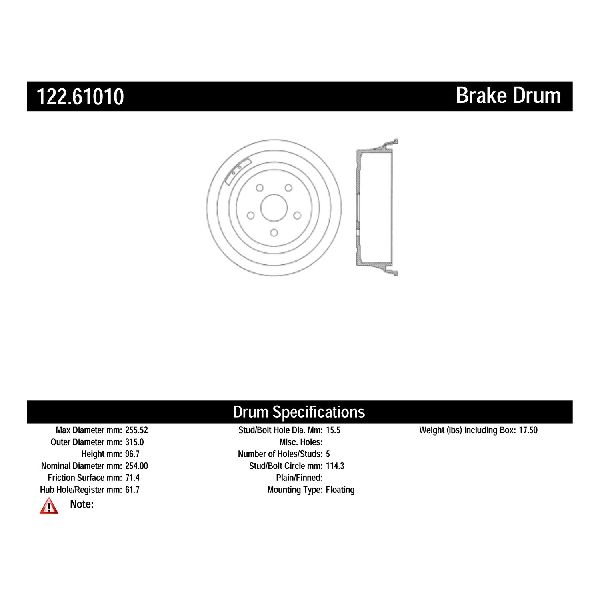
Common sizes for the 1968-1976 Ford Torino are 10-inch and 11-inch rear drums with a 5-lug bolt pattern. Specific dimensions vary by year and model (e.g., wagon vs. sedan). Always confirm fitment for your specific vehicle.
We Have This Part in Stock

The information in this article is provided for general reference and educational purposes only. Vehicle specifications, procedures, and part compatibility can vary by production date, trim level, and region. Always consult your vehicle's factory service manual and verify part numbers before purchasing or performing repairs. Safety-critical components such as airbags, seat belts, and braking systems should be installed by a qualified professional.