

Ford Torino Universal Joint Replacement Guide (1968-1976)
Eliminate driveshaft vibrations and clunking noises by choosing the right U-joint for your classic Torino.
- You must measure your old U-joints (cap diameter and width) before ordering to ensure you get the correct size (likely 1310 or 1330 series).
- Symptoms include clunking when shifting, vibrations at speed, and rotational squeaking.
- Dana Spicer is considered the top-tier brand for durability, with Moog and SKF as excellent premium alternatives.
- Replacing both U-joints at the same time is highly recommended.
Is Your Torino's Drivetrain Making Noise?
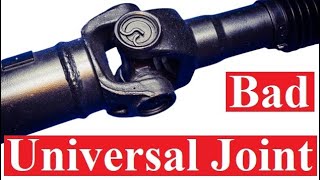
A failing universal joint is a common issue on classic cars like the Ford Torino. Because it is a wearable part, the small needle bearings inside the U-joint caps can wear out from age and use. This wear creates looseness in the driveshaft, leading to noises and vibrations you can feel while driving. Ignoring a bad U-joint is risky; if it fails completely, the driveshaft can disconnect, potentially causing major damage to the underside of your car and leaving you stranded.
Symptoms of a Bad Universal Joint
Pay attention to these signs that your Torino's U-joints may need replacement:
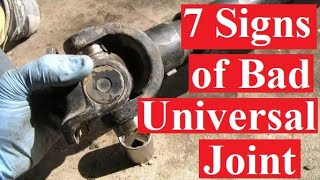
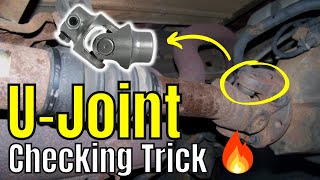
🎬 Watch: 7 common signs of a failing universal joint- Clunking Noise: A distinct "clunk" or "ping" sound when you shift from Park into Drive or Reverse is a classic symptom. This is the sound of the driveshaft taking up the slack from the worn joint.
- Vibration While Driving: A vibration that starts at a certain speed and gets more intense as you go faster is a primary indicator. This is caused by the driveshaft spinning out of balance due to the loose joint.
- Squeaking or Chirping: A rhythmic squeak that matches the rotation of the wheels, especially at low speeds, often points to a dry or dying U-joint that has lost its lubrication.
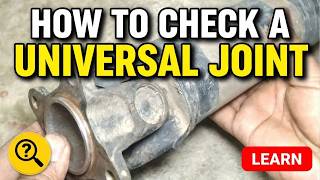
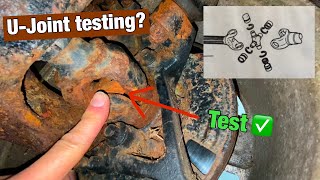
- Visible Rust or Looseness: You can check the U-joints by getting under the car (with it safely supported) and trying to move the driveshaft by hand. There should be no play or movement at the joints. 🎬 See how to check for U-joint play like a pro Sometimes you can see rust dust around a bearing cap, which indicates it has failed.
Critical: Know Your U-Joint Size Before You Buy
Ford used several different U-joint sizes on the 1968-1976 Torino, depending on the engine, transmission, and rear axle. The most common are the 1310 and 1330 series. Some models, especially those with Ford 9-inch rear ends, may use a "big cap" variation. It is essential that you measure your old U-joints before ordering a replacement. You will need to measure the width from cap to cap and the diameter of the bearing caps. Ordering the wrong size is the most common mistake.
Choosing the Right Aftermarket U-Joint
Since original Ford U-joints are no longer available, you'll be choosing from aftermarket brands. Quality varies, but even budget-friendly options are often sufficient for a stock daily driver. For high-horsepower or performance-built Torinos, investing in a premium brand is recommended.
| Tier | Brands | Notes |
|---|---|---|
| Premium / Heavy Duty | Dana Spicer Chassis | Often the original equipment supplier for Ford. Widely considered the highest quality and most durable option, especially their non-greasable "Life Series" joints. |
| Premium Aftermarket | Moog, SKF | Both are well-respected brands known for meeting or exceeding OEM specifications. They offer good durability and are a solid choice for most applications. Some users report Moog quality can be inconsistent recently. SKF offers a "Brute Force" line for high-torque use. |
| Standard / Economy | GMB | A reliable and affordable option for stock replacement on standard-engine Torinos. Perfectly adequate for normal driving conditions. |
Greasable vs. Non-Greasable U-Joints
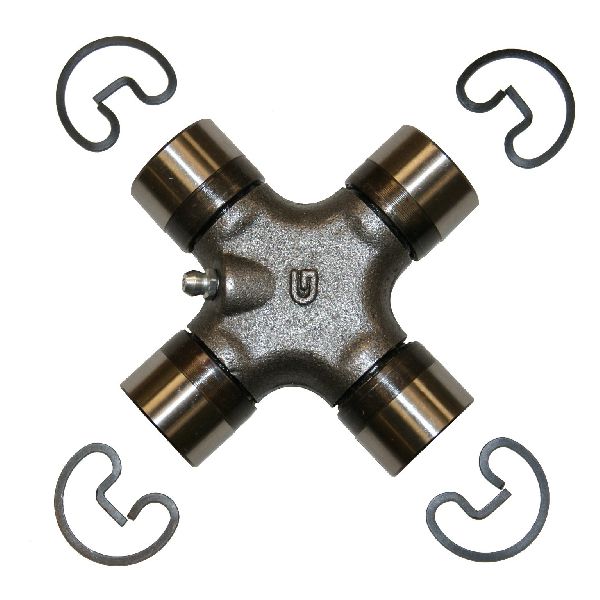
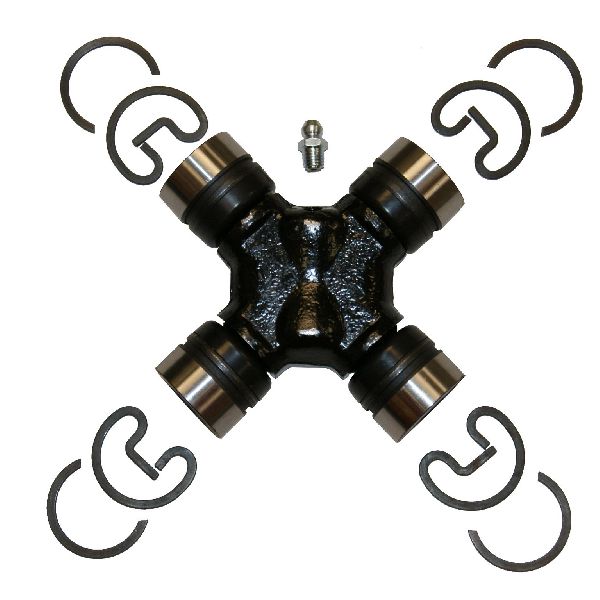
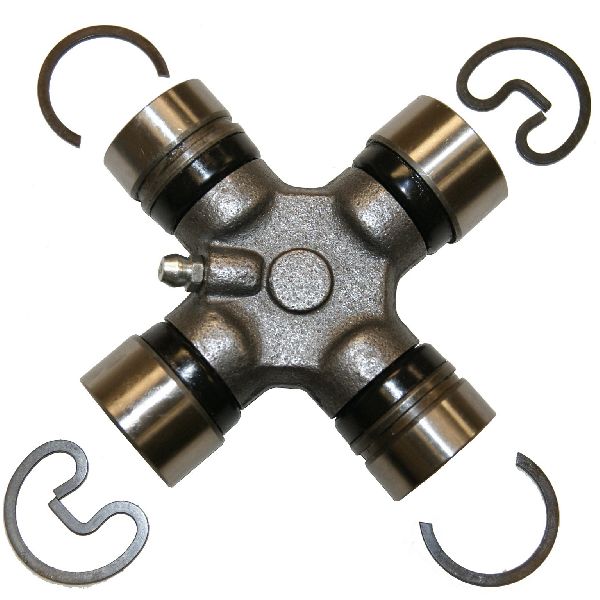
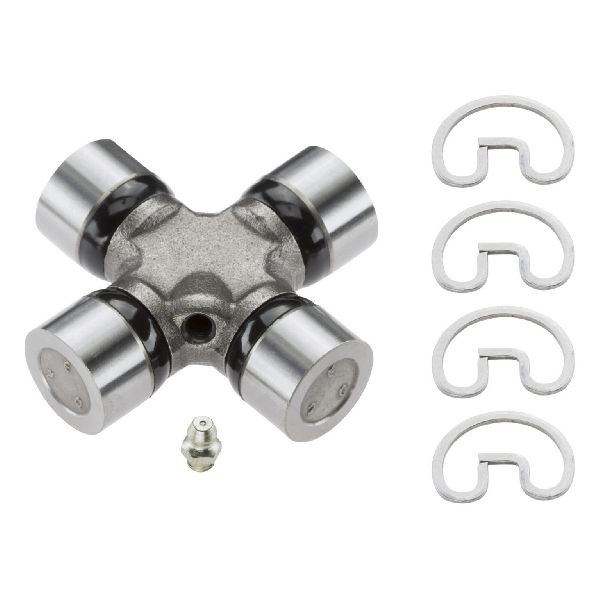
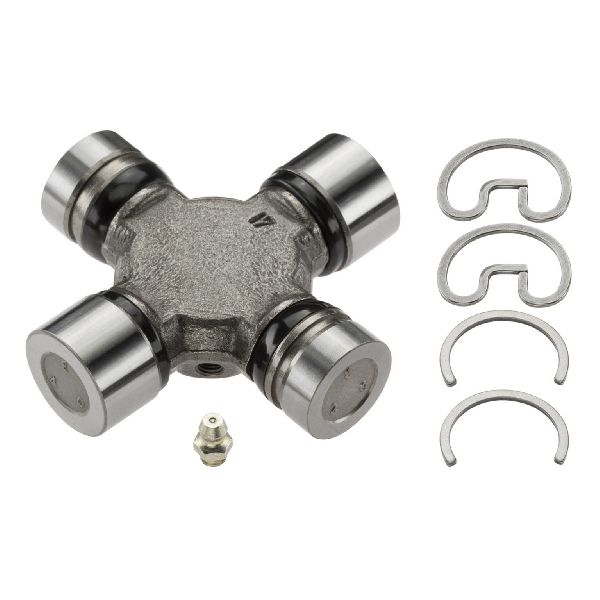
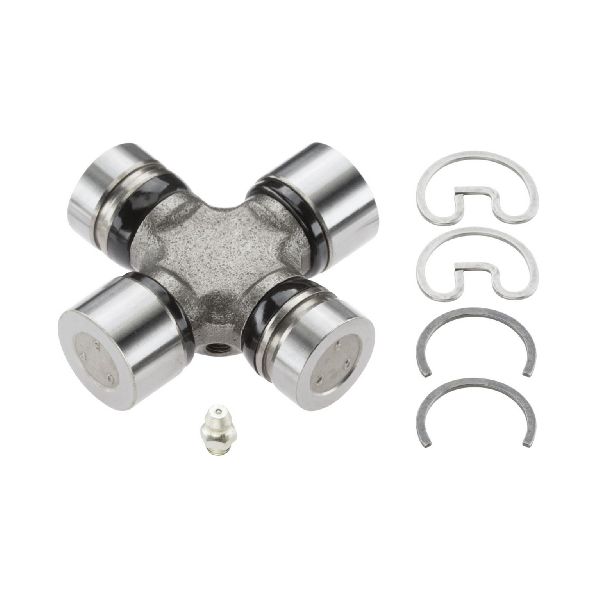
You will see options for both greasable (with a zerk fitting) and non-greasable (sealed) U-joints. Non-greasable joints, like the Spicer Life Series, are often stronger because the cross is solid steel, not drilled out for grease channels. They are preferred for performance applications. Greasable joints can last a very long time if maintained properly, as new grease flushes out old contaminants. For most Torino owners, either type is fine, but if you want maximum strength, choose a non-greasable design from a premium brand.
Frequently Asked Questions (FAQ)
How many U-joints does my 1968-1976 Torino have?
Most Torinos have a one-piece driveshaft with two universal joints: one at the transmission end (front) and one at the rear axle end (rear). You should plan to replace both at the same time.
Can I replace a U-joint myself?
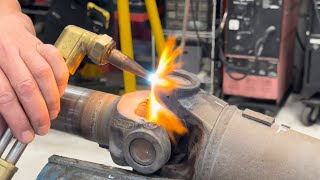
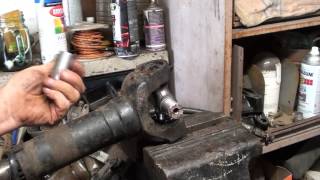
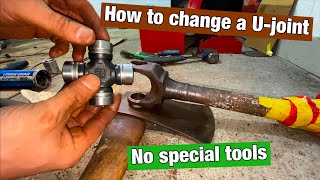
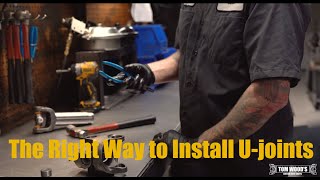
Yes, this is a DIY-friendly job if you have the right tools and are comfortable working under your car. It requires unbolting the driveshaft and using a press, or a large vise and sockets, to push the old joints out and the new ones in. If the parts are heavily rusted, it can be a difficult job without a press.
Do I need to balance the driveshaft after replacing the U-joints?
It is good practice to have the driveshaft balanced after installing new U-joints, especially if you were experiencing significant vibrations before the repair. Mark the orientation of the driveshaft to the yokes before removal so you can reinstall it the same way, which helps maintain its balance.
What is a combination U-joint?
A combination or "conversion" U-joint has different-sized caps on its opposing ends. This is used to connect a driveshaft of one series (e.g., 1310) to a yoke from a different series (e.g., 1330), which can happen if parts have been swapped over the years.
Helpful Videos

Technical Specifications
Common sizes for the 1968-1976 Ford Torino are 1310 series and 1330 series. Some applications may use a combination or a 'big cap' version at the differential. Measurement is required for confirmation. - **1310 Series:** Typically 1.062" cap diameter and 3.219" width. - **1330 Series:** Typically 1.062" cap diameter and 3.625" width. - **Ford 'Big Cap':** May have a 1.125" cap diameter on two of the caps.
We Have This Part in Stock

The information in this article is provided for general reference and educational purposes only. Vehicle specifications, procedures, and part compatibility can vary by production date, trim level, and region. Always consult your vehicle's factory service manual and verify part numbers before purchasing or performing repairs. Safety-critical components such as airbags, seat belts, and braking systems should be installed by a qualified professional.