

Engine Coolant Thermostat Guide for 1968-1977 Mercury Montego
Keep your classic Montego's engine temperature in check by understanding, diagnosing, and replacing your engine coolant thermostat.
- A failing thermostat can cause overheating, poor performance, and bad fuel economy.
- Replacement is a simple, low-cost DIY job for most Montego owners.
- Always replace the gasket with the thermostat to prevent leaks.
- For a stock engine, a standard 195°F thermostat from a brand like Gates or Edelbrock is a reliable choice.
Is Your Montego's Thermostat Failing?
A thermostat is a simple mechanical part that can fail in two ways: stuck open or stuck closed. Both can cause problems for your classic V8 or inline-six engine. Since these vehicles don't have modern computer systems to trigger a check engine light for this issue, you'll need to watch for physical symptoms.
Symptoms of a Bad Thermostat
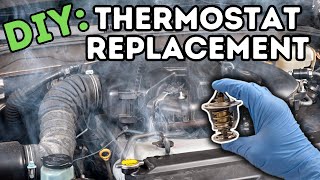
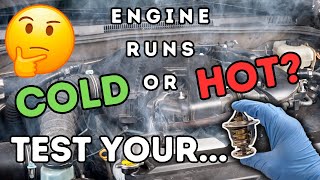
🎬 Watch this video to identify symptoms and test your thermostat.- Engine Overheating: If the thermostat is stuck closed, coolant can't get to the radiator to cool down. This is the most dangerous failure, as it can lead to rapid overheating and serious engine damage. You might see the temperature gauge climb into the red, or notice steam from under the hood.
- Engine Takes Too Long to Warm Up: If the thermostat is stuck open, coolant flows to the radiator constantly. This makes it hard for the engine to reach its proper operating temperature, especially in colder weather. This can lead to poor fuel economy and increased engine wear.
- Temperature Gauge Fluctuates: A failing thermostat might open and close erratically, causing the temperature gauge on your dash to swing back and forth between hot and cold.
- Poor Heater Performance: Your car's heater uses hot coolant to warm the cabin. If the thermostat is stuck open, the coolant never gets hot enough, resulting in lukewarm or cold air from your vents.
- Coolant Leaks: A thermostat that's stuck closed can cause extreme pressure buildup in the cooling system, forcing coolant to leak from the thermostat housing, gaskets, or hoses.
Aftermarket Thermostat Cost for 1968-1977 Mercury Montego
| Part Type | Price Range |
|---|---|
| New Aftermarket Thermostat | $7.93 - $68.95 |
| Shop Labor for Installation | $90 - $150 |
Pro Tip: Always replace the thermostat gasket when you replace the thermostat to ensure a proper seal and prevent leaks. It's also a good time to inspect your radiator hoses and consider a coolant flush.
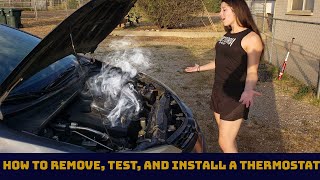
🎬 Learn how to remove, test, and install a new thermostat.Choosing the Right Aftermarket Thermostat
For a classic car like the Montego, you don't need a dealership for a quality part. Aftermarket brands offer a wide range of options. The key is choosing the correct temperature rating for your engine, which is typically stamped on the part itself. For most Ford engines of this era, a 180°F or 195°F thermostat is standard.
Brand Tiers
- Performance Brands (Edelbrock, Mr. Gasket, Mishimoto): These brands often market "high-flow" thermostats designed for performance applications. Edelbrock thermostats are generally well-regarded for their quality construction with brass and copper valves. Reviews for Mr. Gasket are mixed, with some users reporting premature failures. Mishimoto is another option, though some sources suggest they may be manufactured by the same company as other brands. These can be a good choice if you have a modified engine, but may not be necessary for a stock Montego.
- Standard Replacement Brands (Gates, Motorad): Gates and Motorad are major manufacturers that supply many parts stores. They are considered standard, reliable replacements for daily drivers. Quality can be inconsistent across all standard brands, as many are made by a few large manufacturers. For a stock vehicle, a standard thermostat from a reputable brand like Gates is often a perfectly acceptable and cost-effective choice.
Frequently Asked Questions (FAQ)
Can I replace the thermostat myself?
Yes, this is a very feasible DIY job for a 1968-1977 Montego. It typically involves draining some coolant, unbolting the thermostat housing (usually located where the upper radiator hose meets the engine), swapping the old thermostat for the new one, and replacing the gasket. The entire process usually takes less than an hour.
🎬 Follow this simple DIY guide for installing thermostats in older vehicles.What temperature thermostat should I use?
For most stock Ford engines from this period, a 195°F thermostat is the standard factory recommendation for year-round driving. A 180°F thermostat may also be used, especially in high-performance applications or very hot climates. Using a thermostat rated too low (like 160°F) can prevent the engine from reaching optimal temperature, hurting efficiency and heater performance.
Are there any recalls for my Montego's thermostat?
No, there are no specific recalls or common Technical Service Bulletins (TSBs) from the NHTSA related to the engine coolant thermostat for the 1968-1977 Mercury Montego.
Does it matter which way the thermostat is installed?
Yes, absolutely. The thermostat must be installed in the correct orientation. The spring-loaded side should face the engine. If it has a small bleed pin or 'jiggle pin', that should be positioned at the top (12 o'clock position) to help purge air from the cooling system. Installing it backwards will block coolant flow and cause immediate overheating.
Helpful Videos

Technical Specifications
Standard temperature ratings for this vehicle are typically 180°F or 195°F. The correct choice depends on the specific engine and factory recommendations. The physical size and design must match the original part for the thermostat housing to seal correctly.
We Have This Part in Stock


The information in this article is provided for general reference and educational purposes only. Vehicle specifications, procedures, and part compatibility can vary by production date, trim level, and region. Always consult your vehicle's factory service manual and verify part numbers before purchasing or performing repairs. Safety-critical components such as airbags, seat belts, and braking systems should be installed by a qualified professional.