

Chevrolet Blazer Brake Drum Guide: 1969-1973 Models
Your first-generation Blazer is a heavy truck that needs strong, reliable brakes to stop safely.
- Verify your Blazer's specific drum size (e.g., 11" x 2") before ordering to avoid errors.
- For a heavy truck, choose a premium or standard quality brand like Raybestos, Centric, Dynamic Friction, or Yukon Gear over an economy option.
- Always replace brake drums in pairs and install new brake shoes and hardware at the same time for balanced, safe braking.
- No recalls or specific TSBs related to brake drums exist for this vehicle; issues are due to age and normal wear.
Is it Time for New Brake Drums?
On a classic truck like the 1969-1973 Blazer, brake drums are a wear item. After decades of use and thousands of heat cycles, the original drums are likely worn out, corroded, or have been machined too many times. Ignoring brake issues on a heavy, classic vehicle is a serious safety risk.
Symptoms of a Worn or Failing Brake Drum
- Brake Pedal Pulsation: If you feel a pulsing or vibrating in the brake pedal when you apply the brakes, it's a sign the drum is "out-of-round" and no longer perfectly circular.
- Scraping or Grinding Noises: Loud metallic noises from the rear of the truck when braking usually mean the brake shoes are worn out, but can also be caused by a damaged or deeply grooved drum.
- Poor Parking Brake Performance: If your parking brake doesn't hold the truck securely, it could be due to worn drums or shoes.
- Vehicle Pulling to One Side: While often caused by other issues like a seized wheel cylinder, a contaminated or damaged drum on one side can cause uneven braking.
Common Ordering Mistake: Check Your Drum Size
First-generation Blazers came with different brake drum sizes, most commonly 11-inch diameter drums with either a 2-inch or a 2.4-inch width. Before ordering, you must measure your existing drums or check documentation to ensure you buy the correct replacement. Ordering the wrong size is a common and frustrating mistake.
Choosing the Right Aftermarket Brake Drum
Original GM brake drums for this era are no longer produced. All available new parts are from aftermarket manufacturers. The good news is that modern metallurgy and manufacturing can make today's aftermarket drums better than the originals. For a heavy vehicle like the Blazer, it's best to avoid the cheapest options and choose a quality part.
Brand Quality Tiers
- Premium / Heavy Duty (Recommended): Brands like Raybestos (their Advanced Technology or Professional Grade lines), Centric (their Premium line), and Yukon Gear fall into this category. These drums often feature heavier castings and superior metallurgy, which helps them resist warping and wear. Yukon Gear is well-known for strong drivetrain parts, and their brake components are built for durability.
- Standard OE-Quality: Brands like Dynamic Friction and the standard lines from Centric and Raybestos offer a great balance of quality and price. They are designed to meet or exceed the original factory specifications and are a solid choice for daily driving. Dynamic Friction specifically promotes that their drums are mill-balanced to prevent vibrations.
- Economy: Brands like Pronto or store-brand economy lines are the most affordable. While they will function, they may use lighter castings and be more prone to warping or faster wear, especially on a heavy truck like the K5 Blazer. They are best suited for a vehicle that is driven infrequently or gently.
Pro Tip: Replace in Pairs and Refresh Hardware
Always replace brake drums in pairs (both rear wheels) to ensure even braking. It's also the perfect time to replace the brake shoes, springs, and wheel cylinders. A complete brake hardware kit is inexpensive and ensures all components are fresh and working together properly.
Cost to Replace 1969-1973 Blazer Brake Drums
| Part/Service | Estimated Cost |
|---|---|
| New Aftermarket Brake Drum (Each) | $73 - $125 |
| Brake Shoes & Hardware Kit | $40 - $80 |
| Shop Labor (Drums & Shoes) | $200 - $350 |
| Total (DIY) | $185 - $330 |
| Total (Installed at Shop) | $385 - $680 |
Frequently Asked Questions
Can I install new brake drums myself?
Yes, if you have mechanical experience and the right tools. Replacing drum brakes is more complex than disc brakes. You will need a floor jack, jack stands, a lug wrench, and specific drum brake tools like spring pliers and a brake spoon. If you are not confident, it is a routine job for any auto repair shop.
Do I need to "turn" or machine my new drums?
No. New aftermarket brake drums are ready to be installed right out of the box. Machining is a process used to resurface old, worn drums, but it is not necessary for new parts.
What is the difference between OEM and Aftermarket drums for my Blazer?
For a 1969-1973 model, new OEM (Original Equipment Manufacturer) parts from GM are unavailable. All new drums are from the aftermarket. A quality aftermarket drum from a reputable brand will often be made with better materials and manufacturing processes than the original 1970s part.
Why are there different prices for drums that look the same?
The price difference often reflects the quality of the metal casting, the weight of the drum, and the precision of the machining. Premium drums use heavier, higher-grade iron that dissipates heat better and resists warping. Economy drums may use lighter castings that are more prone to developing issues under heavy use.
Technical Specifications
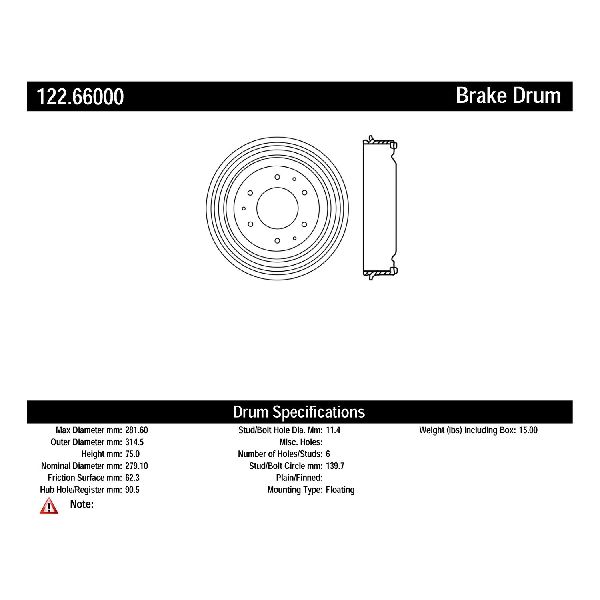
The most common size is an 11-inch diameter drum. Widths can vary, with 2-inch and 2.4-inch being common for 1/2-ton models. Bolt patterns are typically 5-lug or 6-lug depending on the axle. It is critical to verify the exact specifications for your vehicle before purchase.
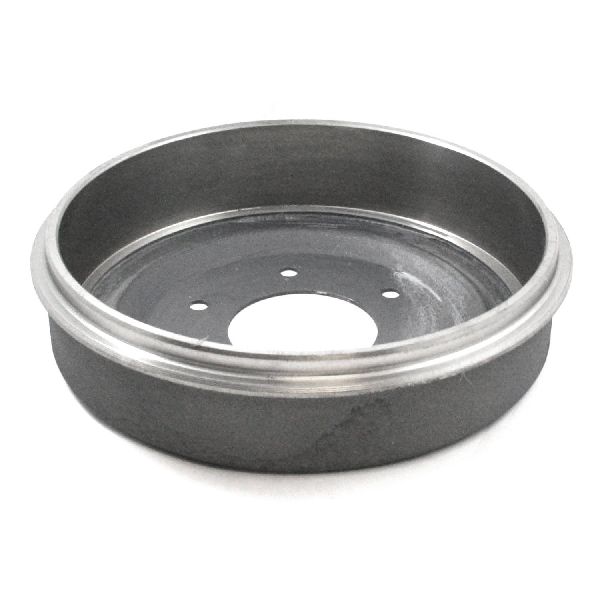
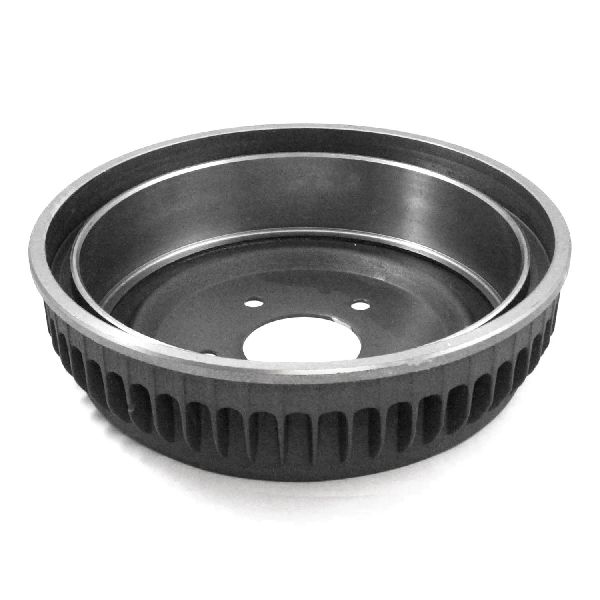
We Have This Part in Stock

The information in this article is provided for general reference and educational purposes only. Vehicle specifications, procedures, and part compatibility can vary by production date, trim level, and region. Always consult your vehicle's factory service manual and verify part numbers before purchasing or performing repairs. Safety-critical components such as airbags, seat belts, and braking systems should be installed by a qualified professional.
- 🛍️ Shop This Part
- Is it Time for New Brake Drums?
- Symptoms of a Worn or Failing Brake Drum
- Common Ordering Mistake: Check Your Drum Size
- Choosing the Right Aftermarket Brake Drum
- Brand Quality Tiers
- Pro Tip: Replace in Pairs and Refresh Hardware
- Cost to Replace 1969-1973 Blazer Brake Drums
- Frequently Asked Questions
- 🎟️ Get 5% Off