

Chevrolet Blazer Automatic Transmission Mount Guide (1969-1975)
Stop the shaking and clunking in your classic K5 Blazer by choosing the right transmission mount.
- The most common signs of failure are clunking noises when shifting and increased vibration.
- Replacement is a simple, DIY-friendly job that takes about an hour with basic tools.
- For most owners, a standard aftermarket rubber mount is a sufficient and affordable choice.
- For heavy-duty use, off-roading, or high-horsepower engines, upgrading to a polyurethane mount from Daystar or Lakewood is recommended for its superior durability.
Is Your Blazer's Transmission Mount Failing?
The transmission mount on a classic K5 Blazer is a wear item. After decades of use, heat, and exposure to fluids, the original rubber will crack, harden, and fail. When it does, you'll likely notice some distinct problems. Ignoring these signs can lead to more stress on your engine mounts and other drivetrain parts.
Key Symptoms of a Bad Mount:
- Clunking or Banging Noises: The most common sign is a loud clunk when you shift from drive to reverse or during hard acceleration and braking. This is the sound of the transmission moving excessively and hitting other parts.
- Excessive Vibrations: If you feel a new or increased vibration through the floor or your seat, especially while accelerating, the mount's ability to absorb vibrations is likely gone.
- Drivetrain Movement: A failed mount allows the entire engine and transmission to rock back and forth more than they should. You might even see the engine move excessively if someone shifts the gears while you watch from under the hood (with the vehicle safely secured).
Can a Bad Mount Cause Other Problems?
Yes. A completely failed mount can cause the transmission to sit at the wrong angle, leading to difficult or harsh shifting. In extreme cases, the constant movement can stress driveshaft U-joints and even cause fluid leaks from transmission seals due to the added strain.
Choosing the Right Aftermarket Transmission Mount
For a 1969-1975 Blazer, finding a New Old Stock (NOS) OEM part is nearly impossible. The aftermarket is your primary source, offering several good options that range from standard replacements to heavy-duty upgrades.
Brand Tiers & Materials
Your main choice will be between standard rubber mounts and performance-oriented polyurethane mounts.
Tier 1: Standard Rubber Replacements (Good)
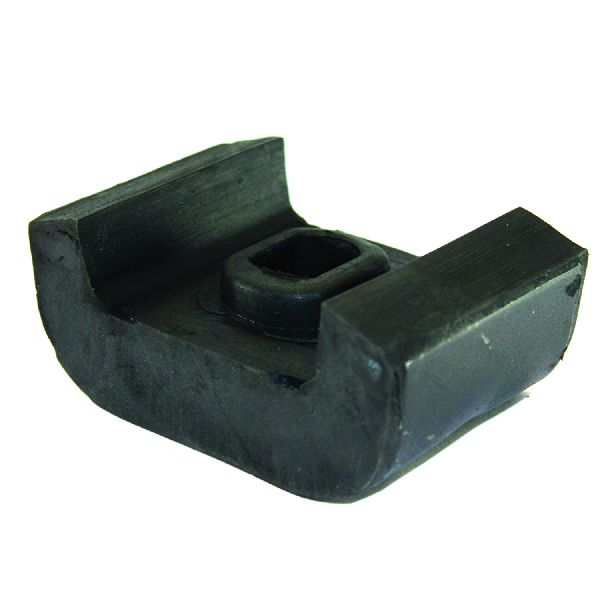
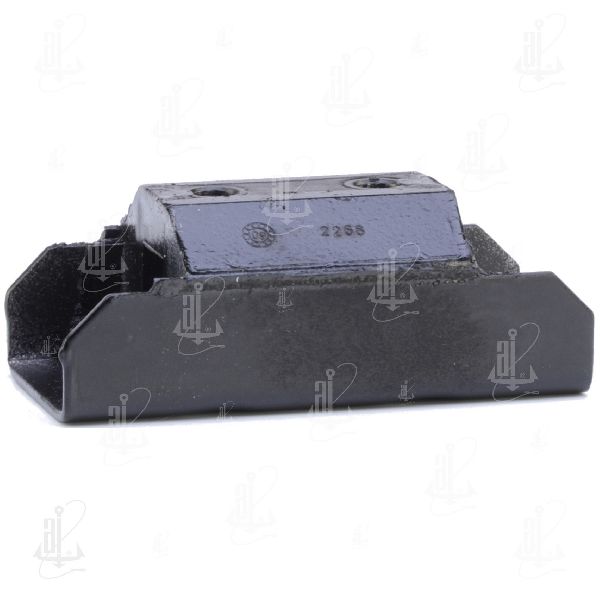
These mounts are designed to be like the original part, prioritizing a smooth, quiet ride by absorbing as much vibration as possible. They are very affordable and perfect for daily drivers or stock restorations.
- Brands: Anchor, Westar, DEA, Pioneer Cable
- Best For: Owners who want an affordable, factory-like ride with maximum vibration damping.
- Considerations: While effective, some forum users note that the quality of budget brands can be inconsistent. However, for a standard application, they perform their job well. Pioneer is sometimes noted as having a good, factory-like appearance and quality.
Tier 2: Polyurethane Upgrades (Better/Best)
Polyurethane is a much tougher material than rubber. It's resistant to oil, chemicals, and road grime that cause rubber to degrade. These mounts are designed for performance, heavy-duty use, and longevity.
- Brands: Daystar, Lakewood
- Best For: Blazers with modified engines, those used for towing or frequent off-roading, or owners who want a permanent solution.
- Considerations: The main trade-off with polyurethane is a potential increase in cabin vibration and noise because the material is stiffer. However, many users find the increase minimal and well worth the added durability and control. Brands like Lakewood and Daystar often include interlocking safety features that prevent separation even if the material fails.
Pro Tip: Rubber or Polyurethane?
If your Blazer is a comfortable cruiser and you want the quietest ride, stick with a quality rubber mount. If your truck sees hard use, has a high-horsepower engine, or you value durability above all else, a polyurethane mount from a brand like Daystar or Lakewood is a worthwhile upgrade.
Cost of Replacing a Transmission Mount
This is one of the more affordable repairs you can make. The parts are inexpensive, and labor is straightforward.
| Item | Estimated Cost |
|---|---|
| Aftermarket Rubber Mount | $5 - $15 |
| Aftermarket Polyurethane Mount | $30 - $100 |
| Shop Labor | $100 - $200 |
| Total (DIY) | $5 - $100 |
| Total (Shop) | $105 - $300 |
Frequently Asked Questions
Is it hard to replace a Blazer transmission mount myself?
No, this is a very DIY-friendly job for someone with basic tools. The process involves supporting the transmission with a floor jack and a block of wood, unbolting the old mount from the crossmember and transmission, and installing the new one. It can typically be done in about an hour.
Do I need any special tools?
You'll need a floor jack, jack stands, a basic socket and wrench set, and possibly a breaker bar for stubborn bolts. Applying penetrating oil to the bolts a day before you start can make the job much easier.
Are there any recalls for the 1969-1975 Blazer transmission mount?
No. A search of the National Highway Traffic Safety Administration (NHTSA) database shows no recalls or technical service bulletins (TSBs) related to the transmission mounts for this vehicle generation. Any recalls found for the "Chevrolet Blazer" are for much newer models.
Should I replace my engine mounts at the same time?
It's a good idea to inspect them. If the transmission mount has failed due to age, the engine mounts are likely in similar condition. A bad transmission mount also puts extra stress on the engine mounts. Replacing them all at once ensures the entire drivetrain is secure and properly aligned.
Can I use a polyurethane transmission mount with rubber engine mounts?
Yes, this is a common combination. Many owners upgrade the single transmission mount to polyurethane for its strength while keeping rubber engine mounts to minimize vibrations in the cabin. This setup provides a good balance of durability and comfort.
Technical Specifications
The primary choice is between standard Styrene Butadiene Rubber (SBR) mounts and upgraded Polyurethane mounts. Some polyurethane mounts feature a patented metal safety interlock to prevent separation under high torque.
We Have This Part in Stock
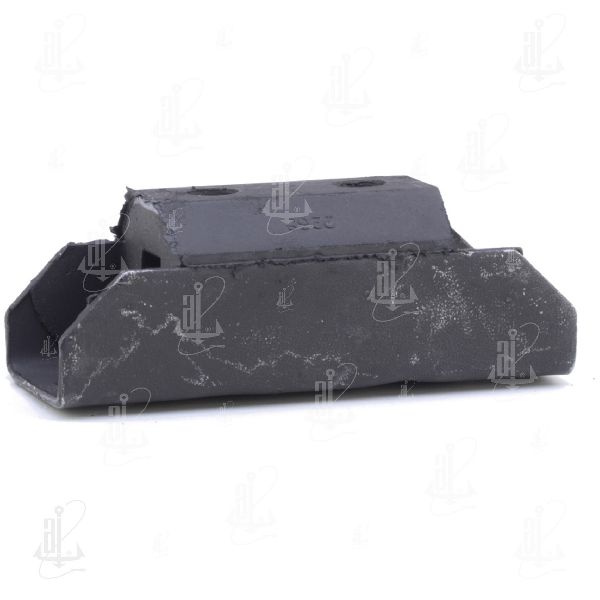


The information in this article is provided for general reference and educational purposes only. Vehicle specifications, procedures, and part compatibility can vary by production date, trim level, and region. Always consult your vehicle's factory service manual and verify part numbers before purchasing or performing repairs. Safety-critical components such as airbags, seat belts, and braking systems should be installed by a qualified professional.
- 🛍️ Shop This Part
- Is Your Blazer's Transmission Mount Failing?
- Key Symptoms of a Bad Mount:
- Can a Bad Mount Cause Other Problems?
- Choosing the Right Aftermarket Transmission Mount
- Brand Tiers & Materials
- Pro Tip: Rubber or Polyurethane?
- Cost of Replacing a Transmission Mount
- Frequently Asked Questions
- 🎟️ Get 5% Off