

Choosing the Right Disc Brake Pads for Your 1969-1976 Buick LeSabre
Upgrade your classic Buick's stopping power by selecting the best modern brake pads for your driving style.
- First, confirm your LeSabre has optional front disc brakes; many had drums on all four wheels.
- Modern aftermarket pads (ceramic or semi-metallic) are a significant safety and performance upgrade over the original 1970s technology.
- For casual cruising, quiet and low-dust ceramic pads are ideal; for a firmer pedal and performance feel, choose semi-metallic pads.
- Reputable daily-driver brands like Raybestos, Wagner, and Bosch offer excellent performance for most owners, while Powerstop and EBC are great for those seeking a performance upgrade.
Important First Step: Do You Have Disc Brakes?
Before buying parts, you must confirm your LeSabre has front disc brakes. From 1969 to 1976, power front disc brakes were an optional upgrade; many LeSabres left the factory with drum brakes on all four wheels. Look through your wheel spokes for a thick, metal disc (the rotor) and a clamping mechanism over it (the caliper). If you only see a solid metal drum behind the wheel, you have drum brakes, and these pads will not fit. Many online retailers sell disc brake conversion kits if you wish to upgrade from drums.
Symptoms of Worn Brake Pads
Your LeSabre will give you clear signs when the brake pads are nearing the end of their life. Ignoring these can lead to more expensive repairs and unsafe driving conditions.
- Squealing or Screeching: A high-pitched noise when you apply the brakes is often the first warning. This sound comes from a small metal tab called a wear indicator, which is designed to alert you that the pads are thin.
- Grinding Noise: A loud, harsh grinding sound means the friction material is completely gone. You are now hearing metal-on-metal contact between the pad's backing plate and the brake rotor. Stop driving immediately to avoid destroying your rotors and calipers.
- Longer Stopping Distance: If you notice the car takes longer to stop than it used to, your pads are likely worn out and can no longer create enough friction.
- Vibration or Pulsing in the Pedal: While this can also indicate warped rotors, it can sometimes be caused by unevenly worn pads.
1970s Technology vs. Modern Aftermarket Pads
For a classic car like the 1969-1976 LeSabre, new Original Equipment (OEM) brake pads from GM are no longer available. The entire market consists of aftermarket parts. This is a good thing. The original pads were based on 1970s technology, often using asbestos materials that are now known to be hazardous. Today's aftermarket pads, even economy options, offer superior performance, better safety, and longer life thanks to modern friction compounds.
Your main choice will be between two material types:
- Semi-Metallic Pads: These pads contain metal fibers, which help dissipate heat and provide a strong bite. They offer excellent stopping power, making them a good choice if you enjoy spirited driving. The downside is they can produce more brake dust and may be noisier than ceramic pads.
- Ceramic Pads: These are a newer technology, made from dense ceramic material and embedded copper fibers. They are very quiet, produce very little dust (keeping your wheels clean), and are gentle on brake rotors. For a classic cruiser or show car, ceramic pads are an excellent choice for clean, quiet, and confident stops.
Choosing the Right Aftermarket Brand
With over 50 products available, choosing a brand can be confusing. We've grouped the available brands into tiers to help you decide based on your budget and how you use your LeSabre.
Economy & Value Brands
These brands offer a significant upgrade over worn-out brakes at a very affordable price. They are perfect for the LeSabre owner on a budget who uses their car for casual weekend cruises.
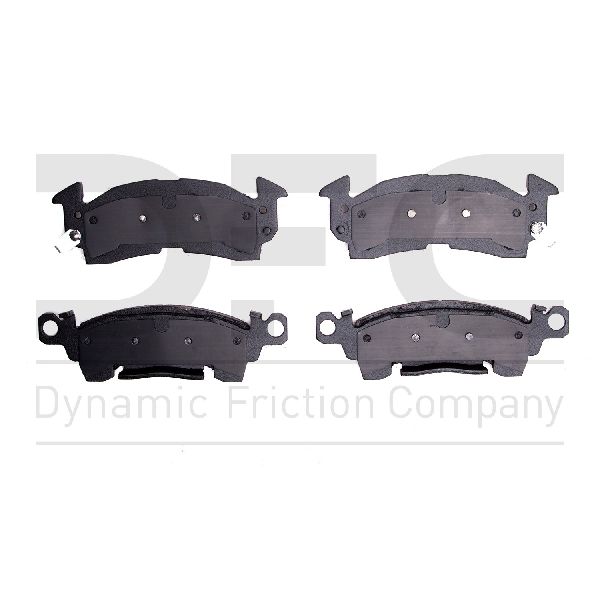
- Dynamic Friction: Known for providing reliable, OE-level performance at a budget-friendly price.
- Centric: Often considered a top-tier value brand, offering solid quality and a good balance between performance and price.
Daily Driver & OEM-Quality Brands
These reputable brands are the workhorses of the aftermarket. They provide excellent, reliable stopping power that meets or exceeds original specifications. They are the ideal choice for most owners who want a long-lasting, no-fuss solution.
- ACDelco: As GM's own parts division, ACDelco offers quality replacement parts, though for this application, they are re-branded from other manufacturers.
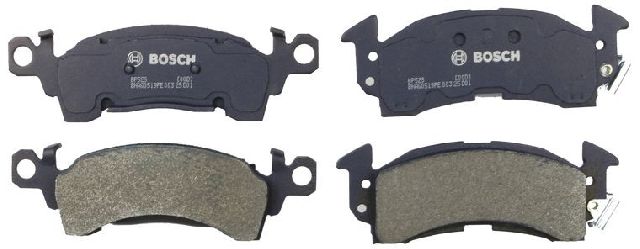
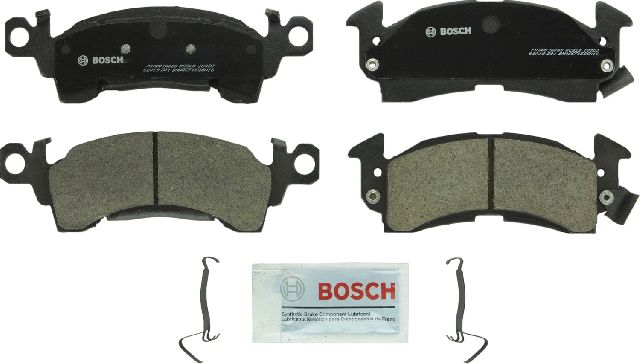
- Bosch: A well-respected German brand known for high-quality engineering across many automotive parts, including brakes.
- Raybestos: A long-standing, trusted name in brakes, known for dependable performance and quality.
- Wagner Brakes: Another industry giant, Wagner provides premium-quality pads known for their durability and quiet operation.
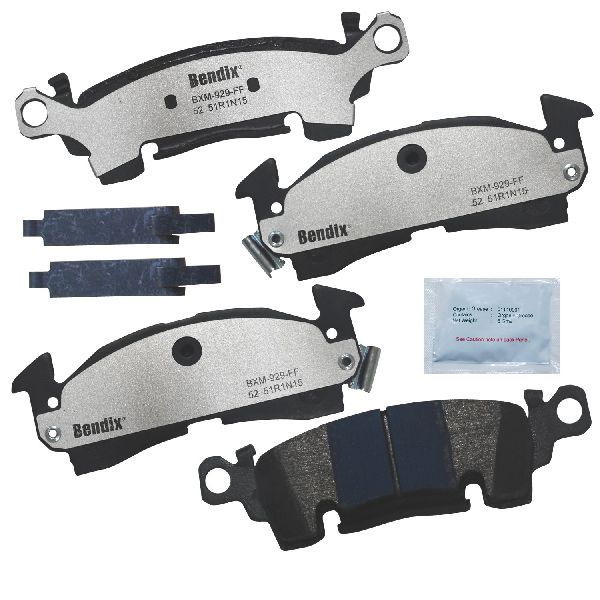
- Bendix: A historic brake brand that once supplied GM, known for making quality parts that mechanics trust.
Performance & High-Performance Brands
If you have upgraded your LeSabre's engine or simply want the best possible stopping power, these brands are for you. They use advanced friction compounds for a stronger bite and better fade resistance under heavy braking.
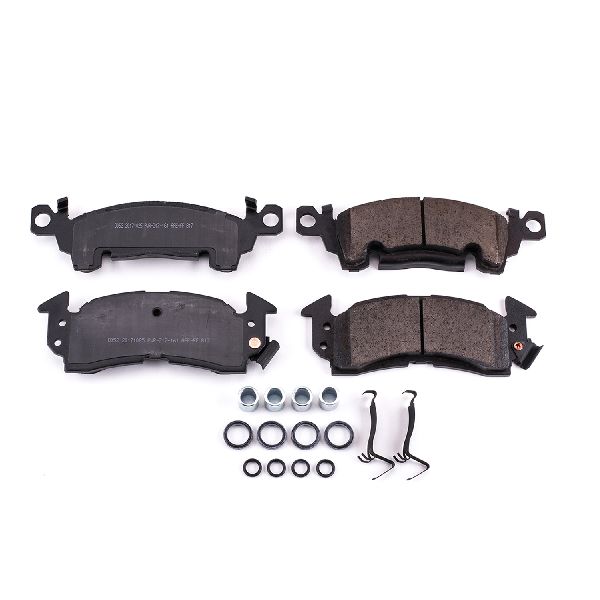
- Powerstop: A very popular choice for upgrading classic and muscle cars, offering complete kits that often include high-performance carbon-fiber ceramic pads.
- EBC Brakes: A UK-based company famous for its performance brake pads, offering different compounds for street and track use. Their Greenstuff or Redstuff pads can be a great upgrade.
- Hawk Performance: A top name in performance and racing, Hawk pads provide aggressive stopping power. They may produce more dust and noise, a trade-off for their high performance.
Cost of New Disc Brake Pads for a 1969-1976 Buick LeSabre
| Item | Price Range |
|---|---|
| Aftermarket Disc Brake Pad Set (Front) | $39.43 - $157.49 |
| Shop Labor for Installation | $100 - $200 |
Frequently Asked Questions (FAQ)
How do I choose between ceramic and semi-metallic pads for my LeSabre?
Choose based on your priorities. If you want clean wheels and quiet operation for cruising and car shows, choose ceramic pads. If you prioritize a stronger initial bite and performance for more aggressive driving and don't mind some brake dust, choose semi-metallic pads.
Are more expensive brake pads really better?
Generally, yes. Higher-priced pads from brands like Hawk or EBC use more advanced friction materials that provide better stopping power and resist brake fade at high temperatures. However, for a stock LeSabre used for casual driving, a quality mid-range pad from a brand like Raybestos or Wagner is more than sufficient and will perform excellently.
Do I need to replace my rotors with my pads?
It is highly recommended. For a vehicle of this age, finding replacement rotors can be challenging, but it is crucial for safety and performance. Installing new pads on old, worn, or grooved rotors will cause the new pads to wear out quickly and will prevent you from getting the full stopping power you paid for. Always install new pads on fresh, smooth rotor surfaces.
Can I install brake pads myself?
Brake pad replacement is a common DIY job for those with mechanical experience and the right tools. However, brakes are a critical safety system. If you have any doubts about the process, which includes raising and securing a heavy vehicle, it is always best to have a qualified mechanic perform the installation.
Technical Specifications
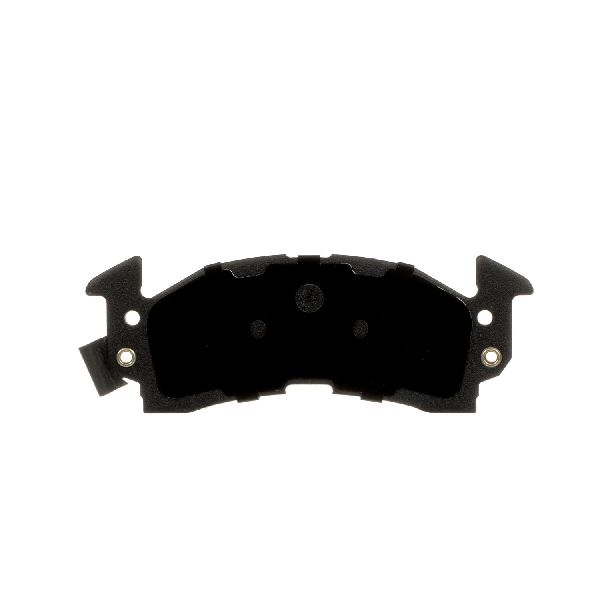
Compatibility is for 1969-1976 Buick LeSabre models originally equipped with optional front disc brakes. Pad material will be either ceramic or semi-metallic, depending on the selected product.
We Have This Part in Stock

The information in this article is provided for general reference and educational purposes only. Vehicle specifications, procedures, and part compatibility can vary by production date, trim level, and region. Always consult your vehicle's factory service manual and verify part numbers before purchasing or performing repairs. Safety-critical components such as airbags, seat belts, and braking systems should be installed by a qualified professional.
- 🛍️ Shop This Part
- Important First Step: Do You Have Disc Brakes?
- Symptoms of Worn Brake Pads
- 1970s Technology vs. Modern Aftermarket Pads
- Choosing the Right Aftermarket Brand
- Economy & Value Brands
- Daily Driver & OEM-Quality Brands
- Performance & High-Performance Brands
- Cost of New Disc Brake Pads for a 1969-1976 Buick LeSabre
- Frequently Asked Questions (FAQ)
- 🎟️ Get 5% Off