

Mercury Comet Stabilizer Bar Bushing Guide (1969-1977)
Fix clunking noises and sloppy handling by choosing the right stabilizer bar bushings for your classic Comet.
- Worn stabilizer bar bushings are a common cause of clunking noises and poor handling on the 1969-1977 Mercury Comet.
- Choose between comfortable rubber bushings for a stock ride or firm polyurethane bushings for improved handling performance.
- Premium brands like Moog and Delphi are well-regarded, while Mevotech and QuickSteer are solid budget-friendly options.
- This is a simple and inexpensive DIY repair that can be done with basic hand tools in about an hour.
Is Your Comet's Front End Noisy and Loose?
If you're hearing a clunking or rattling noise from the front of your 1969-1977 Mercury Comet, especially when driving over bumps, the stabilizer bar bushings are a likely culprit. These simple parts wear out over time, causing the metal sway bar to move around and knock against other suspension components. Worn bushings can also lead to other problems, like a feeling of instability, excessive body lean in corners, and even a loose or vague feeling in the steering wheel. Because the Comet shares its platform with the Ford Maverick, many suspension parts, including these bushings, are interchangeable.
Don't Ignore the Noise
While worn stabilizer bar bushings don't typically create an immediate emergency, they shouldn't be ignored. The poor handling and increased body roll can make the car less predictable, especially in a sudden maneuver. Continuing to drive with completely failed bushings can also put extra stress on other suspension parts, like the sway bar links.
Choosing the Right Aftermarket Bushings
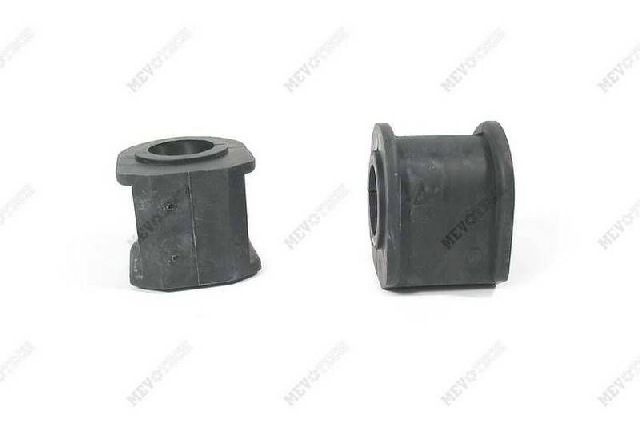
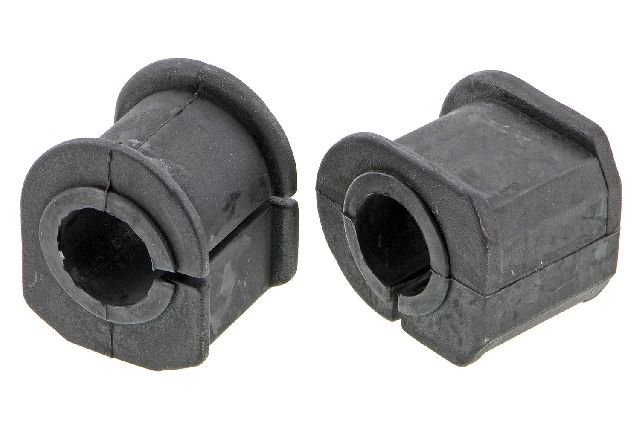
For a classic car like the Comet, original equipment (OEM) Ford parts are no longer available. All replacement bushings are from aftermarket manufacturers. Your main choice will be between standard rubber and performance-oriented polyurethane materials.
Rubber vs. Polyurethane Bushings
The best material for you depends on your goals for the car.
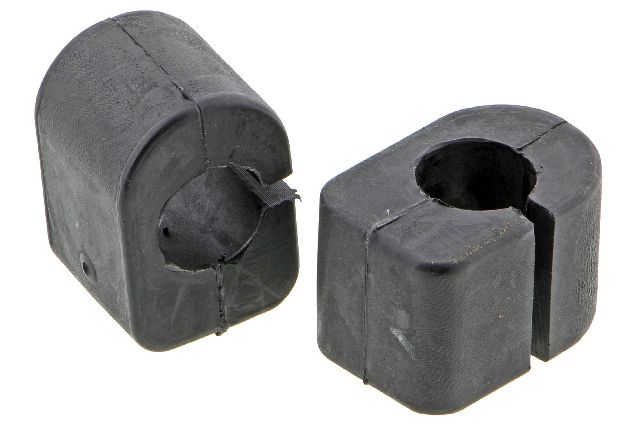
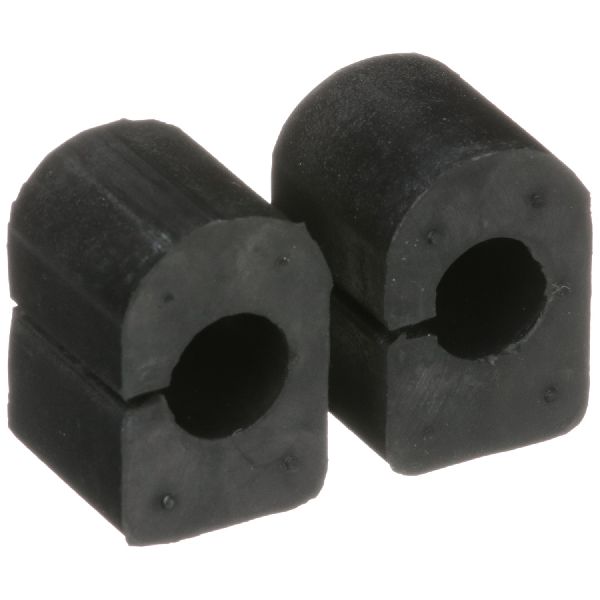
- Rubber Bushings: These provide the quietest and most comfortable ride, similar to how the car felt from the factory. Rubber is excellent at absorbing vibrations and road noise. However, it is softer, less durable, and more susceptible to wear from heat, oil, and age compared to polyurethane.
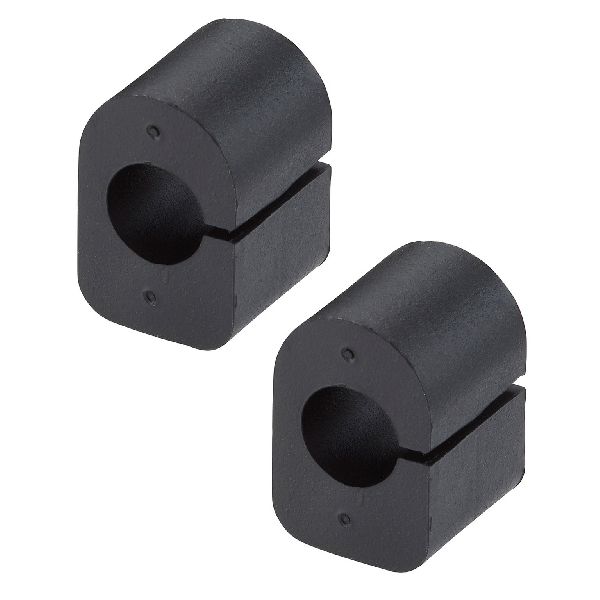
- Polyurethane Bushings: These are a popular upgrade for classic cars. Polyurethane is a much firmer and more durable material that resists wear, chemicals, and heat far better than rubber. This firmness improves handling by holding the sway bar more securely, which reduces body roll and provides a more direct steering feel. The downside is that polyurethane is stiffer and can transmit more road noise and vibration into the cabin, leading to a harsher ride. They can also squeak if not lubricated properly during installation.
Pro Tip: For most daily driven Comets, high-quality rubber bushings offer a great balance of performance and comfort. If you are building your Comet for improved handling and performance driving, polyurethane is the better choice.
Aftermarket Brand Tiers for Your Comet
Here’s a breakdown of the available brands, from premium to standard, based on general reputation among mechanics and classic car owners.
| Brand Tier | Brands | Typical Material | Notes |
|---|---|---|---|
| Premium Aftermarket | Moog, Delphi | Rubber or Polyurethane | Often considered top-tier replacements. Moog's "Problem Solver" line is well-regarded, and Delphi is a major OEM supplier with a reputation for quality. These brands often meet or exceed original specifications. |
| Standard / Economy | Mevotech, QuickSteer | Rubber or Polyurethane | These brands offer a good balance of quality and affordability for daily driving. While some users have had good experiences, they are generally seen as a step below Moog or Delphi in terms of longevity and materials. |
Stabilizer Bar Bushing Replacement Cost
Replacing the stabilizer bar bushings is one of the most affordable suspension repairs you can make. The parts are inexpensive, and the job is simple enough for a DIY mechanic with basic tools. A professional shop should be able to complete the work quickly.
| Item | Estimated Cost |
|---|---|
| New Aftermarket Bushing Kit | $12.10 - $18.08 |
| Shop Labor | $60 - $120 |
Frequently Asked Questions
Do I need a special tool to replace these bushings?
No, special tools are generally not required. The job can be done with basic hand tools like a socket set and a wrench. You may need a pry bar to help move the sway bar into position. The most difficult part is often dealing with rusted bolts on a 50-year-old car.
Should I replace the sway bar links at the same time?
It's a good idea to inspect the sway bar end links when you replace the bushings. The links also have bushings that can wear out, causing similar clunking noises. Since you are already working in the area, replacing them at the same time can save you time and labor later on.
Will new bushings fix my Comet's body roll?
Yes, to an extent. New bushings, especially firm polyurethane ones, will restore the sway bar's effectiveness and significantly reduce body roll compared to worn-out parts. This will make the car feel more stable and planted in turns.
Are there any recalls for the 1969-1977 Mercury Comet suspension?
No, there are no specific recalls or technical service bulletins (TSBs) from the NHTSA for the stabilizer bar bushings on the 1969-1977 Mercury Comet. Any issues you experience today are due to normal wear and the age of the components. A recall was issued for some 1971-1973 models related to the fuel tank in rear-end collisions, but this is unrelated to the suspension.
Technical Specifications
The primary specification is the material (Rubber or Polyurethane) and the inner diameter, which must match your Comet's specific sway bar size. The 1969-1977 Mercury Comet shares a platform with the Ford Maverick, so parts are often cross-compatible.
We Have This Part in Stock

The information in this article is provided for general reference and educational purposes only. Vehicle specifications, procedures, and part compatibility can vary by production date, trim level, and region. Always consult your vehicle's factory service manual and verify part numbers before purchasing or performing repairs. Safety-critical components such as airbags, seat belts, and braking systems should be installed by a qualified professional.