

1969-1980 Chevrolet Impala Speedometer Cable: A Comprehensive Guide
If your speedometer needle is bouncing, noisy, or dead, a new speedometer cable is likely the fix.
- A bouncing needle or squealing noise from the dash are the most common signs of a failing speedometer cable.
- For a standard fix, ATP and Pioneer are affordable options; for custom applications, Lokar offers premium cut-to-fit cables.
- Always lubricate the new inner cable with graphite-based lube before installation to ensure longevity and quiet operation.
- Ensure the cable is routed with smooth, gentle bends to prevent binding and premature failure.
Is Your Speedometer Cable Failing?
For the 1969-1980 Chevrolet Impala, the speedometer system is simple and reliable, but the cable can wear out over time. When it fails, the symptoms are usually very clear. Because this is a mechanical system, you won't get a "Check Engine" light, but you will notice issues with the gauge itself.
Common Symptoms of a Bad Speedometer Cable:
- Bouncing Speedometer Needle: The needle jumps around erratically instead of moving smoothly as you accelerate or decelerate. This is often caused by the inner cable binding and releasing inside the housing due to lack of lubrication or a kink.
- Squealing or Chirping Noises: A high-pitched squeal, chirp, or clicking sound from behind the dashboard that gets faster as you drive is a classic sign of a dry or failing cable.
- No Speed Reading: The speedometer needle doesn't move at all. This usually means the inner cable has snapped or become disconnected at the transmission or the speedometer head.
No Recalls or TSBs Found
Our research found no active recalls or Technical Service Bulletins (TSBs) from the NHTSA specifically for the speedometer cable on the 1969-1980 Chevrolet Impala. Issues with this part are typically due to normal wear and tear over several decades.
Choosing the Right Aftermarket Cable
Original GM speedometer cables for this era are no longer produced. The market consists of aftermarket replacements that fall into two main categories.
Brand Tiers: Standard vs. Performance
- Standard Replacement (ATP, Pioneer Cable): These brands produce direct-fit, OE-style replacement cables. They are designed to match the original part's function and are very affordable. While generally reliable, reviews sometimes note that they may require extra lubrication before installation for the smoothest, quietest operation. They are an excellent choice for a standard restoration or daily driver.
- Performance/Custom (Lokar, B&M): Brands like Lokar offer high-end, "cut-to-fit" cables, often with a durable stainless steel braided housing. These are designed for custom builds, hot rods, or vehicles with non-original transmissions where a specific length is needed. B&M cables are often sold as service parts for their performance shifter and transmission kits. These options are more expensive but offer premium materials and customization.
Pro Tip: Lubricate Before You Install
Many experienced mechanics recommend pulling the new inner cable out of its housing and applying a thin coat of graphite-based speedometer cable lubricant before installation. This ensures quiet, smooth operation from day one and can significantly extend the life of the part. Do not use heavy grease, as it can gum up the works, especially near the speedometer head.
Speedometer Cable Replacement Cost
The cost for a new aftermarket speedometer cable is relatively low. The main variable is whether you choose a standard replacement or a premium, cut-to-fit performance cable.
| Part Type | Price Range |
|---|---|
| New Aftermarket (Standard) | $16 - $45 |
| New Aftermarket (Performance/Custom) | $70 - $152 |
| Shop Labor | $100 - $200 |
Frequently Asked Questions
How do I know what length cable to buy?
The best way is to remove your old cable and measure the length of the outer housing from tip to tip. If the old cable is missing, you may need to run a string along the intended path from the transmission to the speedometer to get an approximate length. Standard replacements are often sold by application, but it's always wise to double-check the listed length, as some are universal-fit.
Is a noisy speedometer always a bad cable?
Most of the time, yes. A squeaking or clicking noise that changes with road speed is almost always the cable. However, in rare cases, the speedometer head itself can be worn and in need of lubrication or repair. A good diagnostic test is to disconnect the cable at the transmission, attach a drill to the inner cable, and spin it. If the noise is gone, the issue may be in the transmission drive gear; if the noise persists, it's in the cable or speedometer head.
What tools do I need to replace the cable?
You will typically need basic hand tools, such as pliers to unscrew the cable from the transmission if it's tight. Accessing the back of the speedometer may require a screwdriver to remove dash panels. No highly specialized tools are usually required for a standard replacement.
What are the most common mistakes when ordering or installing?
The most common mistakes are ordering the wrong length and improper routing. Always try to measure your old cable. When installing the new one, ensure it follows a path with wide, gentle curves. Sharp bends or kinks will cause the inner cable to bind, leading to a bouncy needle and eventual breakage.
Technical Specifications
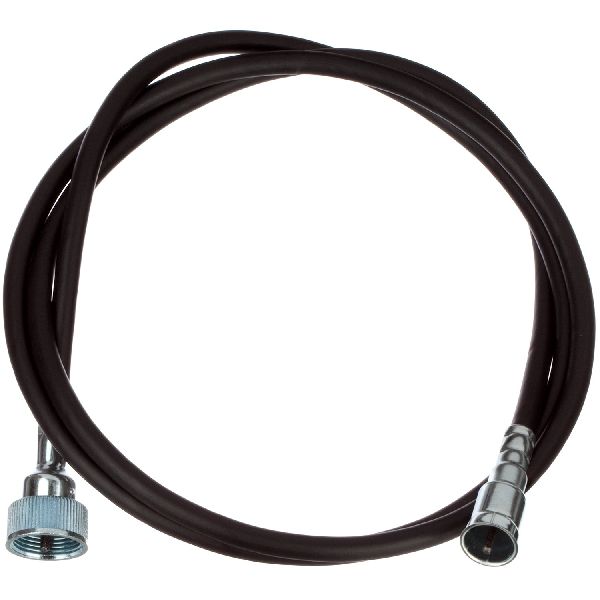
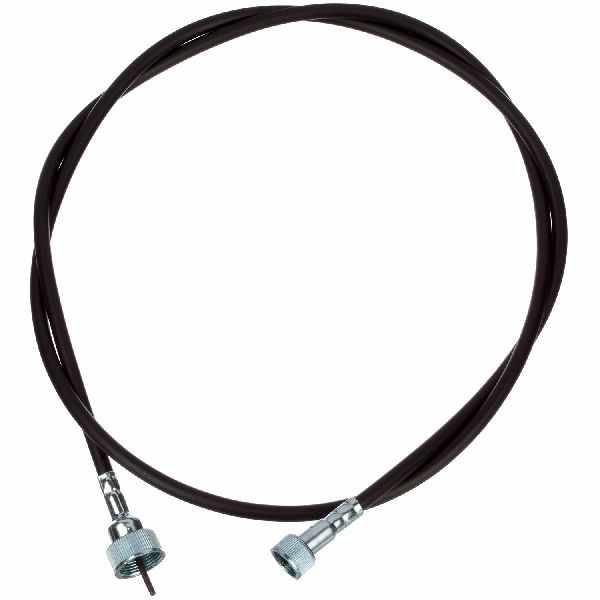
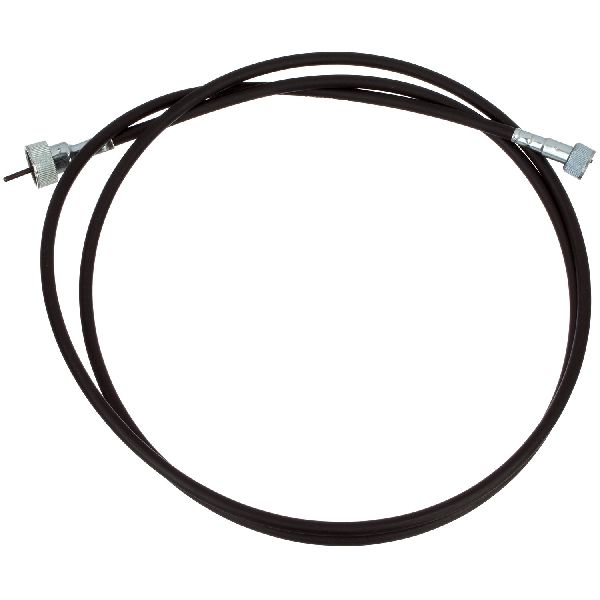
The key specifications are the overall cable housing length and the type of fittings on each end. The speedometer head connection is typically a 5/8"-18 female threaded nut, while the transmission end varies by the specific transmission model (e.g., TH350, Powerglide).
We Have This Part in Stock


The information in this article is provided for general reference and educational purposes only. Vehicle specifications, procedures, and part compatibility can vary by production date, trim level, and region. Always consult your vehicle's factory service manual and verify part numbers before purchasing or performing repairs. Safety-critical components such as airbags, seat belts, and braking systems should be installed by a qualified professional.
- 🛍️ Shop This Part
- Is Your Speedometer Cable Failing?
- Common Symptoms of a Bad Speedometer Cable:
- No Recalls or TSBs Found
- Choosing the Right Aftermarket Cable
- Brand Tiers: Standard vs. Performance
- Pro Tip: Lubricate Before You Install
- Speedometer Cable Replacement Cost
- Frequently Asked Questions
- 🎟️ Get 5% Off