

A Guide to Universal Joints for the 1970-1974 GMC Jimmy
If you're hearing a clunk or feeling a vibration from under your classic Jimmy, a failing universal joint is a likely culprit.
- A clunking noise when shifting or a vibration at highway speed are the most common signs of a failing U-joint on your Jimmy.
- For maximum strength and durability, choose a non-greasable (sealed) U-joint from a top brand like Dana/Spicer.
- It is essential to measure your old U-joints before ordering, as your truck could have different sizes (likely 1310 or 1350 series).
- If one U-joint has failed, it's wise to replace all of them on the same driveshaft at the same time.
Symptoms of a Failing U-Joint
A bad U-joint gives you some warning signs before it fails completely. Ignoring them can lead to the driveshaft disconnecting, which can cause serious damage. Listen and feel for these common symptoms:
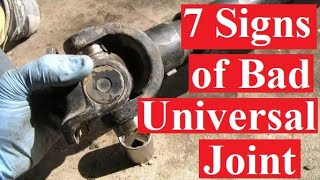
🎬 Watch this guide to identify seven signs of U-joint failure.- Clunking Noise: A loud "clunk" or even a ringing sound when you shift into drive or reverse is a classic sign. This happens because a worn U-joint has too much play, and the driveshaft rotates slightly before engaging.
- Vibrations: You might feel a vibration throughout the truck, especially at highway speeds. This is caused by the driveshaft spinning out of balance due to a worn, wobbly joint.
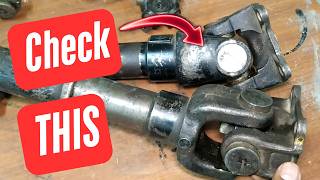
- Squeaking Noise: A cyclical squeaking that starts when you begin to move (under 10 mph) often points to a U-joint that has lost its grease and is now running metal-on-metal. 🎬 Learn why you shouldn't ignore these failing universal joint symptoms.
Choosing the Right Aftermarket U-Joint
For a classic truck like the 1970-1974 Jimmy, original equipment (OEM) parts are generally unavailable. The aftermarket offers excellent, and often superior, replacements. The main choice you'll make is between a greasable and a non-greasable (sealed) joint.
Greasable vs. Non-Greasable
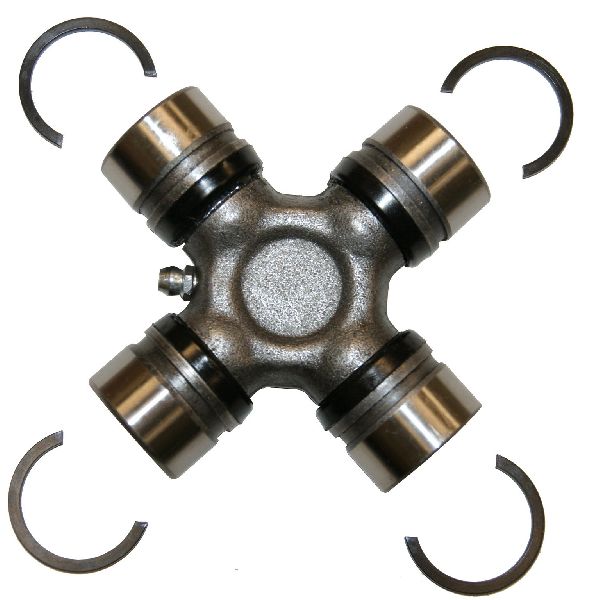
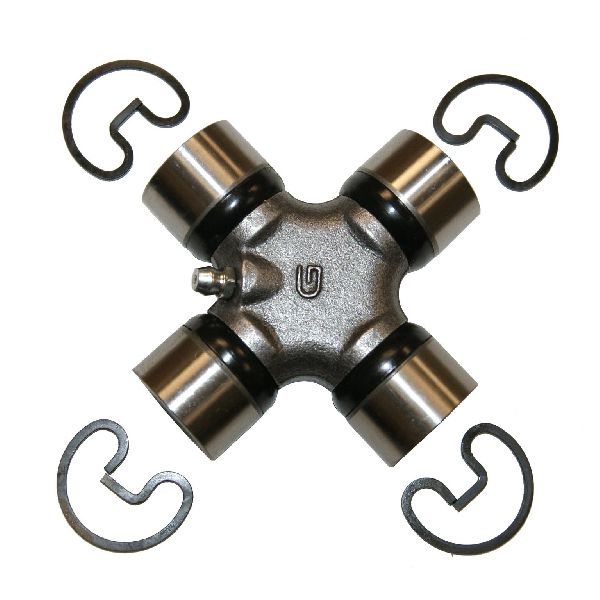
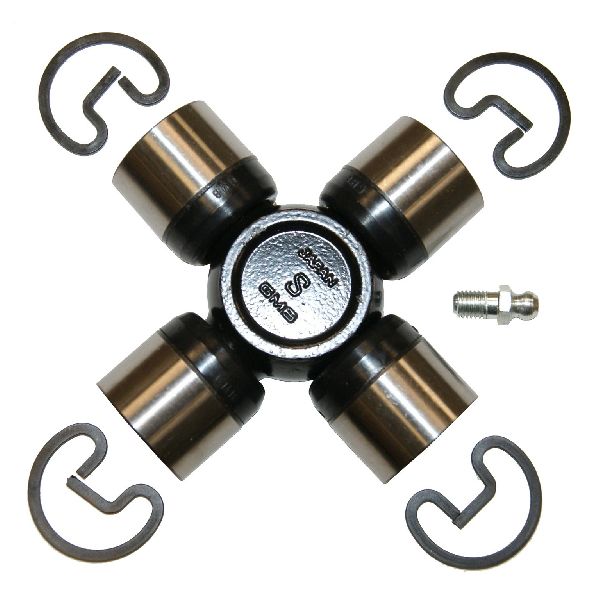
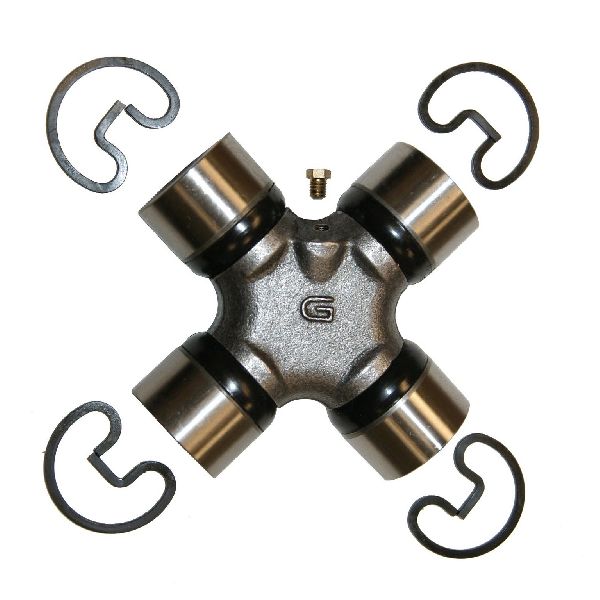
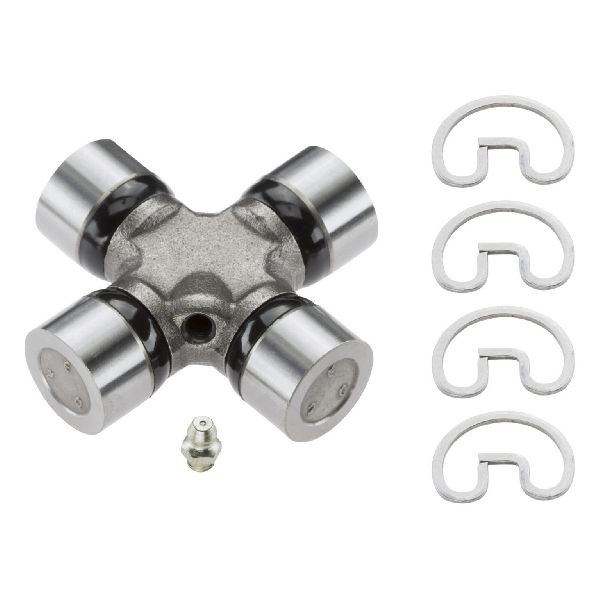
Greasable U-joints have a zerk fitting that allows you to add fresh grease regularly. This is great for pushing out water and contaminants, especially if you do a lot of off-roading or drive in wet conditions. However, you must be diligent about greasing them. The seals are designed to let old grease out, which also means they can let dirt in if not maintained. The grease fitting itself can also be a weak point in the cross.
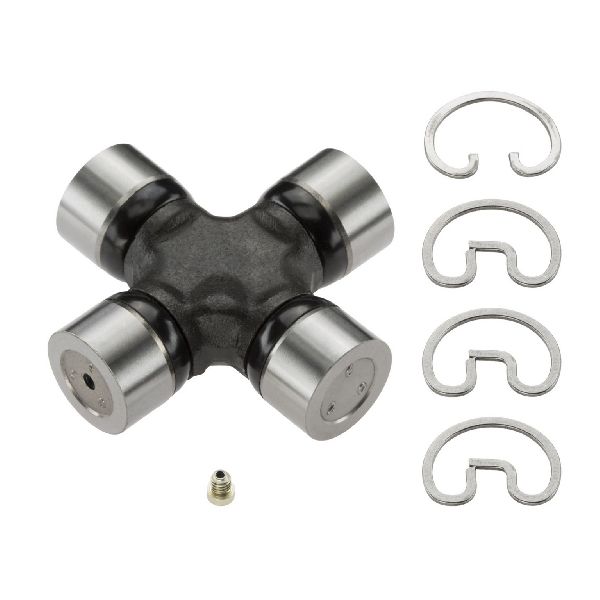
Non-Greasable (Sealed) U-joints are what most manufacturers, including GM, used from the factory. They are forged from solid steel, making them inherently stronger than a drilled, greasable joint. They are filled with high-quality grease and have better seals designed to last the life of the part without maintenance. For most owners, a high-quality sealed joint is the stronger, more durable choice.
Brand Quality Tiers
Not all aftermarket parts are created equal. For a heavy-duty part like a U-joint, it pays to choose a trusted brand.
- Top Tier (High Strength, OEM-style): Dana/Spicer. Spicer is widely considered the gold standard and was an original equipment supplier for many vehicles. Their non-greasable joints are forged solid for maximum strength and are a favorite among truck owners who want a fit-and-forget solution.
- Strong Performer (Serviceable): Moog, SKF. Moog is a well-known aftermarket brand that often focuses on serviceability, offering high-quality greasable joints. SKF, especially their "Brute Force" line, also has a strong reputation for durable, non-greasable joints. These are both excellent choices.
- Standard/Value: GMB. GMB is often a Japanese manufacturer known for making good quality parts at a lower price point. While some older GMB parts were highly regarded, some users have noted a decline in quality as production has moved. They can be a good budget option, especially for a front driveshaft on a part-time 4x4 that sees less use, but for the main rear driveshaft, sticking with a top-tier brand is recommended.
Important: Measure Before You Buy!
The 1970-1974 GMC Jimmy could have been built with different U-joint sizes, most commonly the 1310 or 1350 series. The 1350 is a larger, stronger "one-ton" joint compared to the 1310 "half-ton" joint. It is critical to measure the width and cap diameter of your old U-joints before ordering replacements to ensure a perfect fit. Using a set of calipers is the best way to get an accurate measurement.
Estimated Costs for U-Joint Replacement
| Item | Estimated Cost |
|---|---|
| New Aftermarket U-Joint (per joint) | $18 - $75 |
| Shop Labor (per joint) | $110 - $170 |
| Total Professional Replacement (per joint) | $130 - $245 |
Costs are estimates and can vary based on your location, the specific parts chosen, and the shop's labor rates. Your Jimmy has multiple U-joints; replacing them all at once is often recommended.
Frequently Asked Questions
Are there any recalls for 1970-1974 GMC Jimmy U-joints?
No, searches of the National Highway Traffic Safety Administration (NHTSA) database show no recalls or technical service bulletins (TSBs) related to the universal joints on the 1970-1974 GMC Jimmy. Any recalls for this vehicle would be over 15 years old and likely not appear in standard searches.
Can I replace the U-joints myself?
Yes, this is a job that a DIY mechanic can handle. However, it can be difficult without the right tools. The old U-joints can be seized in place by rust. You will need a sturdy vise, a large hammer, and sockets, or preferably a U-joint press or ball joint press to push the old joints out and install the new ones without damaging the driveshaft. If you hammer them in, you risk dislodging the needle bearings inside the caps.
How many U-joints does my GMC Jimmy have?
A 4-wheel drive 1970-1974 Jimmy typically has seven U-joints: two on the rear driveshaft, two on the front driveshaft plus a third in the double-cardan joint at the transfer case, and one in each front axle shaft behind the steering knuckles. A 2-wheel drive model would only have two U-joints on its single driveshaft.
Should I replace all the U-joints at once?
If one U-joint has failed due to age and mileage, the others are likely not far behind. While it costs more upfront, it is good practice to replace all the U-joints on a driveshaft at the same time. This saves you from having to pull the driveshaft again in the near future and ensures a smooth, balanced operation.
Helpful Videos
Technical Specifications
The most common U-joint series for this vehicle are the 1310 and 1350. The 1310 series typically has a 1.062" (1 1/16") cap diameter. The 1350 series is larger and stronger, with a 1.188" (1 3/16") cap diameter. Combination joints also exist. Measurement of the original parts is required for accurate replacement.
We Have This Part in Stock

The information in this article is provided for general reference and educational purposes only. Vehicle specifications, procedures, and part compatibility can vary by production date, trim level, and region. Always consult your vehicle's factory service manual and verify part numbers before purchasing or performing repairs. Safety-critical components such as airbags, seat belts, and braking systems should be installed by a qualified professional.