

Choosing the Right Spark Plugs for Your 1970-1975 Mercury Monterey
Keep your classic Monterey's V8 engine running strong by selecting the correct new aftermarket spark plugs.
- For a stock 1970-1975 Monterey, choose standard copper core spark plugs from brands like Motorcraft or Autolite for best results.
- Avoid expensive platinum or iridium plugs, as they offer no real benefit and can cause issues with the original ignition system.
- Always check and adjust the spark plug gap with a proper tool before installation; do not assume they are correct out of the box.
- Symptoms like rough idle, poor acceleration, and engine misfires are strong indicators that it's time to inspect and replace your spark plugs.
Symptoms of Failing Spark Plugs
When your spark plugs are worn or dirty, your Monterey's performance will suffer. A fouled plug is one that's covered in oil, fuel, or carbon, which prevents it from sparking correctly. Look out for these common signs:
- Rough Idling: The engine may sound shaky or uneven when you're stopped. You might also feel vibrations.
- Poor Acceleration: The car may feel sluggish or slow to respond when you press the gas pedal.
- Engine Misfires: You might feel the engine hesitate or jerk while driving. This happens when a cylinder fails to fire properly.
- Reduced Fuel Economy: Worn plugs can lead to incomplete fuel combustion, meaning you'll be visiting the gas station more often.
- Hard Starts: If the plugs can't produce a strong enough spark, the engine will have trouble starting.
A Note on Engine Codes
The 1970-1975 Mercury Monterey was built before modern On-Board Diagnostics (OBD-II). This means it does not have a system that generates trouble codes (like P0301 for a misfire) that can be read with a scanner. Diagnosing issues relies on observing these physical symptoms.
Choosing the Right Aftermarket Spark Plug
The big V8 engines in the 1970-1975 Monterey, such as the 351, 400, 429, and 460, have simple and robust ignition systems. They do not require expensive, modern spark plugs to run well. In fact, standard copper core plugs are often the best choice for these classic cars.
Brand & Material Tiers
When shopping for new plugs, you'll find different materials and brands. Here’s a simple breakdown:
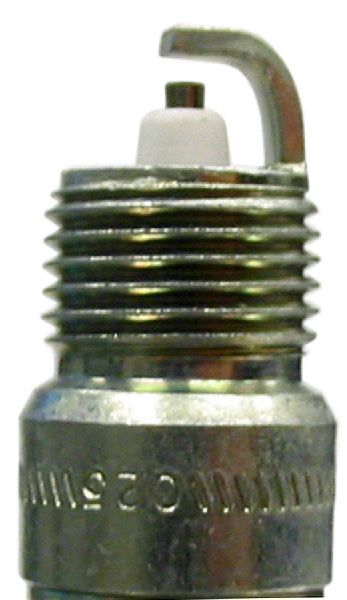
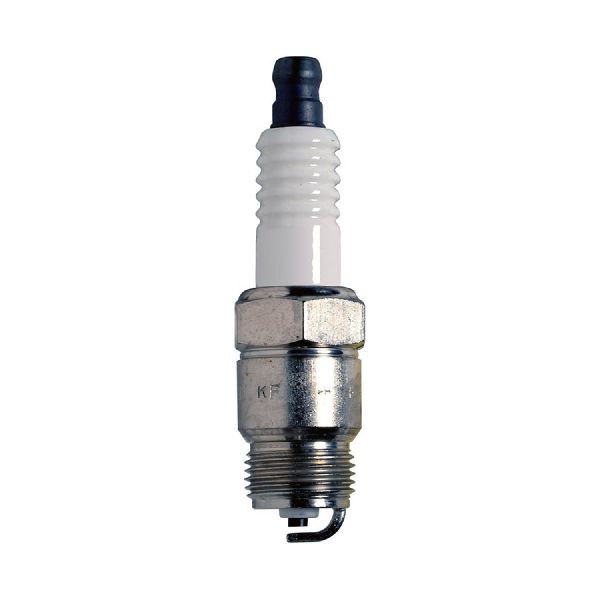
- Tier 1: OEM-Equivalent (Recommended): Motorcraft and Autolite are the top choices. Motorcraft was the original equipment (OE) brand for Ford, and Autolite was also a long-time supplier. These standard copper or nickel plugs are designed to work perfectly with your Monterey's original ignition system. They are affordable and reliable.
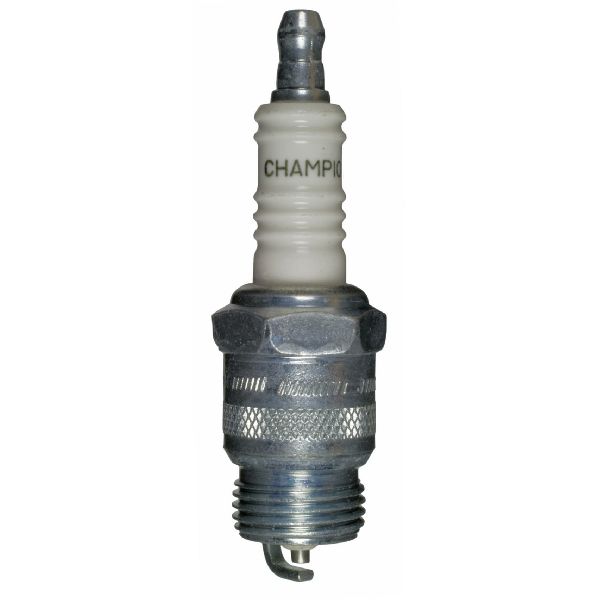
- Tier 2: Quality Standard Replacements: Brands like NGK and Champion offer excellent standard copper plugs that are a great fit for these engines. They provide reliable performance at a good price. Forum users often recommend NGK as a solid alternative to Motorcraft.
- Tier 3: Premium & Performance (Use with Caution): Brands like Bosch, Denso, and Accel offer platinum and iridium plugs. While these plugs last longer in modern cars, they may not provide any benefit in your Monterey's vintage ignition system and can sometimes lead to fouling. They are best avoided unless you have made significant modifications to your ignition system, like adding a high-output MSD box.
Stick with Copper
For a stock 1970-1975 Monterey, standard copper-core spark plugs are the most reliable and cost-effective option. The original ignition system was not designed for the higher voltage requirements of platinum or iridium plugs. Sticking with what the factory used is a proven recipe for success.
Aftermarket Spark Plug Cost for 1970-1975 Mercury Monterey
| Tier | Price per Plug (Approx.) | Price for 8 Plugs (Approx.) |
|---|---|---|
| OEM-Equivalent (Motorcraft, Autolite Copper) | $3 - $6 | $24 - $48 |
| Standard Replacement (NGK, Champion Copper) | $3 - $6 | $24 - $48 |
| Premium (Platinum/Iridium) | $7 - $12+ | $56 - $96+ |
Frequently Asked Questions (FAQ)
How often should I change the spark plugs on my Monterey?
For classic cars using standard copper spark plugs, it's good practice to inspect them annually and replace them every 10,000 to 20,000 miles, or as part of a regular tune-up. Since these cars are often driven less than modern vehicles, time can be as important as mileage.
What is a spark plug gap and why does it matter?
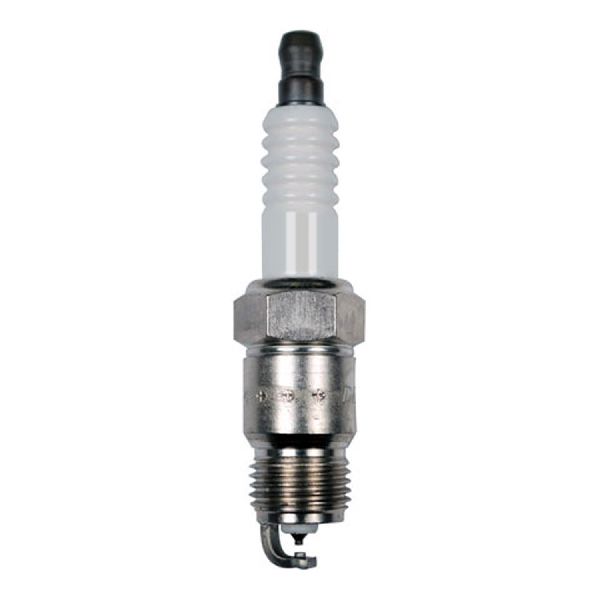
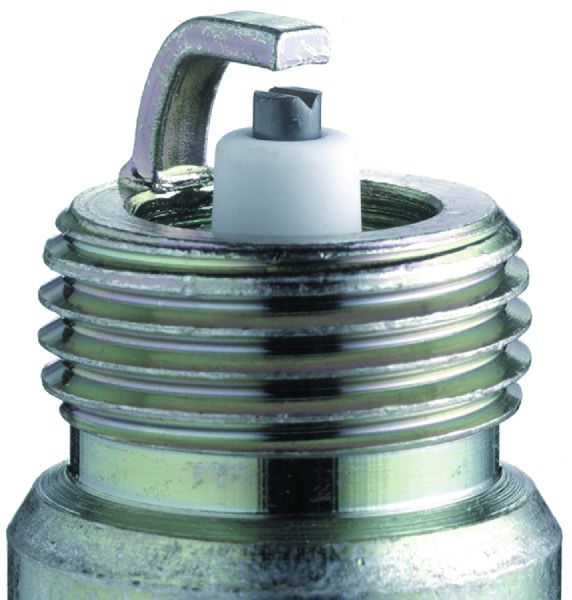
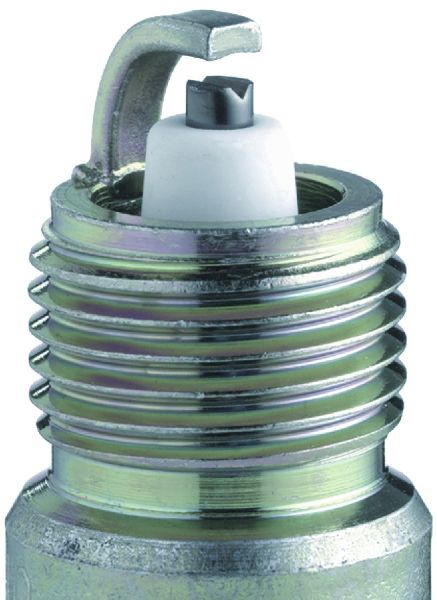
The "gap" is the small space between the center and ground electrodes of the spark plug. The spark must jump this gap to ignite the fuel. The gap size must be set to a specific dimension for your engine to run correctly. For most of these Ford V8 engines, the gap is typically around 0.034"-0.044", but always verify the specification for your specific engine and ignition setup. Never assume a new plug is gapped correctly out of the box.
Do I need special tools to change my spark plugs?
Yes, but they are common tools. You will need a ratchet, a spark plug socket (which has a rubber insert to protect the plug's insulator), an extension, and a spark plug gap tool to check and set the gap. Applying a small amount of anti-seize compound to the plug threads can make them easier to remove next time.
Are there any recalls for spark plugs on this car?
There are no specific recalls or Technical Service Bulletins (TSBs) from the NHTSA related to spark plugs for the 1970-1975 Mercury Monterey. The recalls found for this vehicle era relate to other issues like fuel tanks on different models. Any problems with spark plugs are typically due to normal wear and tear.
Technical Specifications
OEM Part Numbers: Motorcraft BSF-42C Autolite 45 Autolite 25
Engine compatibility: 351, 390, 400, 429, 460 V8. Plug Type: Standard copper core recommended. Seat Type: Tapered. Thread Size: Varies by engine, check specifications (e.g., 14mm or 18mm). Recommended Gap: Approximately 0.034" - 0.044", but verify for your specific engine.
We Have This Part in Stock

The information in this article is provided for general reference and educational purposes only. Vehicle specifications, procedures, and part compatibility can vary by production date, trim level, and region. Always consult your vehicle's factory service manual and verify part numbers before purchasing or performing repairs. Safety-critical components such as airbags, seat belts, and braking systems should be installed by a qualified professional.