

Power Steering Pump Guide for the 1970-1976 Chevrolet Impala
Keep your classic Impala's steering smooth and effortless with the right power steering pump information.
- A whining noise when turning is the most common early warning sign of pump failure.
- For a classic Impala, a new aftermarket pump is a more reliable choice than a remanufactured one.
- Always flush the system and consider replacing old hoses when you install a new pump to prevent contamination.
- You will need a special pulley puller/installer tool for the job, which can be rented from most auto parts stores.
Symptoms of a Failing Power Steering Pump
A bad power steering pump usually gives you plenty of warning before it fails completely. Ignoring these signs can lead to a complete loss of steering assist, which makes the car very difficult to control. Look out for these common symptoms:
🎬 Watch: How to diagnose a bad power steering pump- Whining or Groaning Noises: This is the most common sign. You'll hear a whining noise that gets louder when you turn the wheel or as engine RPMs increase. This is often caused by low fluid or air in the system, which are early signs of pump wear.
- Stiff Steering: If turning the wheel suddenly requires a lot of muscle, especially when parking or moving slowly, the pump is likely not producing enough pressure. This can happen gradually or all at once.
- Fluid Leaks: Reddish or light brown puddles under the front of your car are a clear sign of a leak. While hoses can leak, the pump seals are a common failure point due to age. A lack of fluid will quickly destroy the pump.
- Jerky or Unresponsive Steering: If the steering wheel feels like it's catching or hesitating when you turn, it can be a sign of inconsistent pressure from a failing pump.
Choosing the Right Aftermarket Pump
For a classic car like the 1970-1976 Impala, finding a "new OEM" (Original Equipment Manufacturer) part from GM is not a realistic option. Your choices are remanufactured or new aftermarket parts. For a critical component like a power steering pump, a new aftermarket part is often the most reliable choice. Brands like BBB Industries offer new units that are built to meet or exceed original specifications without the risk of previous wear that can come with remanufactured parts. While some remanufactured parts are good, quality can be inconsistent. A new aftermarket pump provides peace of mind and a longer service life.
Pro Tip: When replacing the pump, it's a great time to also replace the power steering hoses and flush the entire system with fresh, new fluid. Old, contaminated fluid can cause a new pump to fail prematurely.
Replacement Cost
The cost to replace a power steering pump on a '70-'76 Impala can vary. The part itself is affordable, but labor can add to the total cost if you have a shop do the work. Below is a general cost estimate.
| Item | Estimated Cost |
|---|---|
| New Aftermarket Pump | $82 - $248 |
| Shop Labor | $150 - $300 |
| Total Estimated Cost | $232 - $548 |
Note: Prices are estimates and can vary based on your location and the specific parts chosen. This does not include the cost of new fluid or hoses.
Known Issues & Recalls
There are no active recalls or specific Technical Service Bulletins (TSBs) from the NHTSA for the power steering pump on the 1970-1976 Chevrolet Impala, which is expected for a vehicle of this age. Any known issues are based on community knowledge from classic car owners. The primary issues are age-related failures of seals and bearings within the pump and leaks from original, hardened hoses. The Saginaw-style pumps used on these cars are generally robust, but after 50+ years, wear and tear is inevitable.
Frequently Asked Questions (FAQ)
Can I replace the power steering pump myself?
Yes, this is a feasible DIY job for someone with basic mechanical skills and tools. Access is generally good on these older Impalas. You will need a pulley puller/installer tool, which can often be rented from auto parts stores. The process involves draining the fluid, removing the belt, unbolting the pump, swapping the pulley to the new pump, and then reinstalling everything.
🎬 See this walkthrough for replacing a pump on a ChevyDo I need to bleed the system after replacing the pump?
Yes, this is a critical step. Air trapped in the system will cause whining noises and poor performance. After installing the new pump and filling the reservoir, raise the front wheels off the ground and, with the engine off, turn the steering wheel from lock to lock several times. Then, start the engine and repeat, topping off the fluid as needed until the system is quiet and operates smoothly.
🎬 Watch: How to correctly fill and bleed the steering systemDo I need a pump with or without a reservoir?
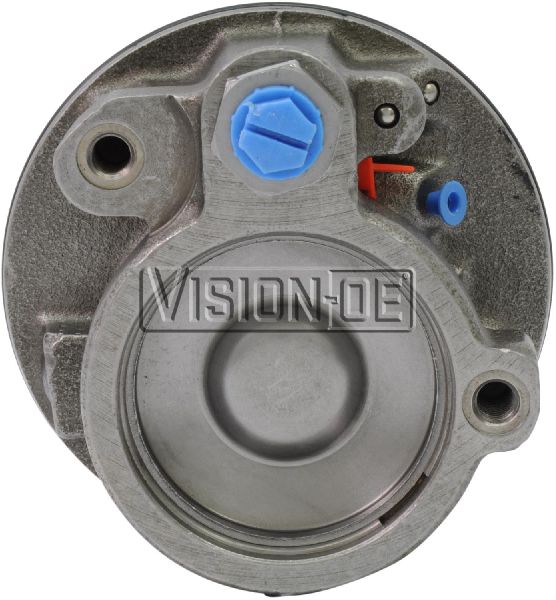
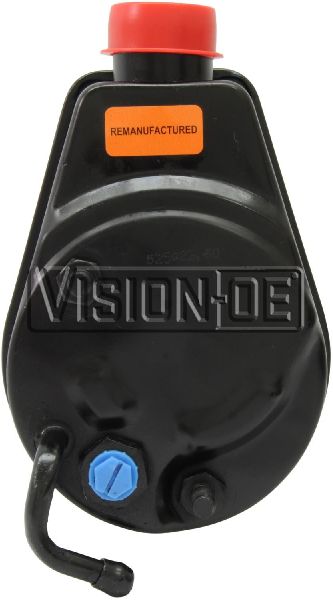
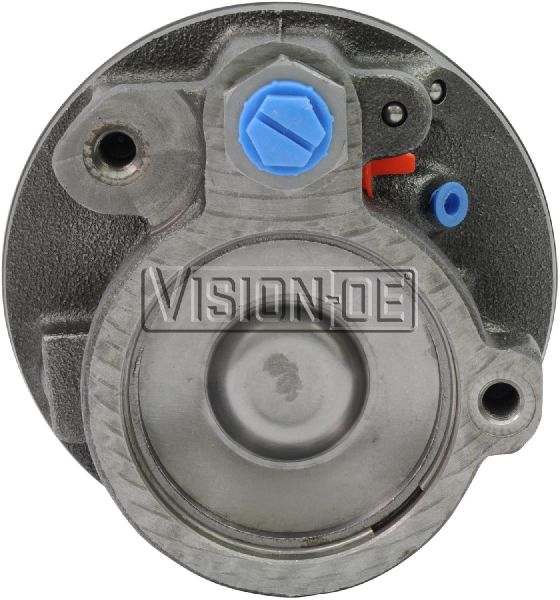
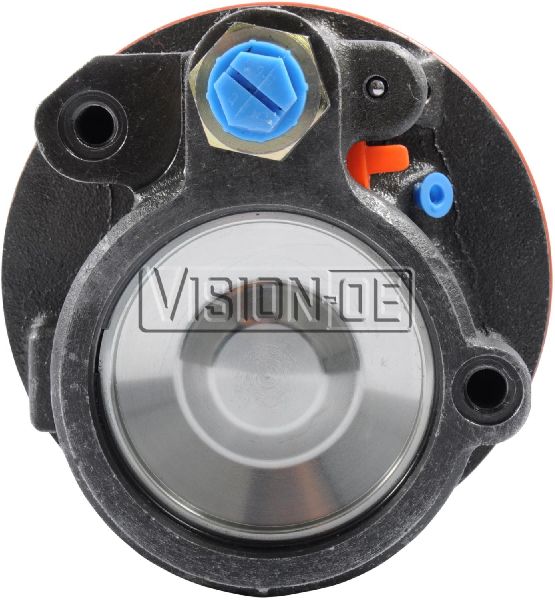
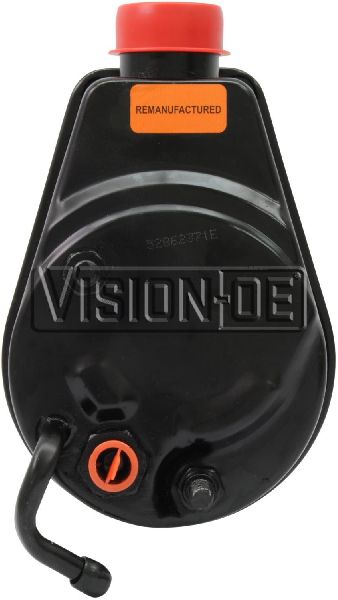
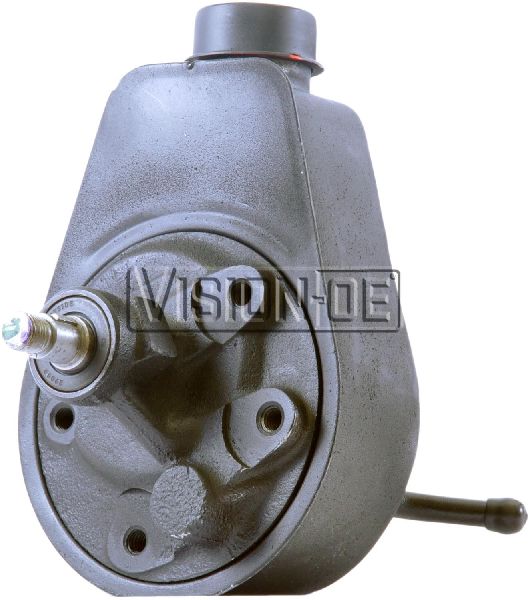
Most pumps for the 1970-1976 Impala use an integrated, can-style reservoir that is part of the pump assembly. However, some aftermarket pumps may be sold without the reservoir, requiring you to carefully remove and transfer your old one. To avoid complications, it's usually best to purchase a new pump that includes the reservoir.
What kind of power steering fluid should I use?
For this era of GM vehicle, a standard, quality power steering fluid is appropriate. Some owners prefer to use a fluid that also contains additives to condition seals, which can be beneficial for the other older components in your steering system. Always check the fluid manufacturer's specifications to ensure compatibility.
Helpful Videos
Technical Specifications
The 1970-1976 Impala typically uses a Saginaw-style power steering pump with an integrated fluid reservoir. Pulley type (single or double groove) and bracket configuration can vary depending on the engine (e.g., Small Block V8 vs. Big Block V8) and factory options like air conditioning. It is crucial to match these features to your specific vehicle.
We Have This Part in Stock

The information in this article is provided for general reference and educational purposes only. Vehicle specifications, procedures, and part compatibility can vary by production date, trim level, and region. Always consult your vehicle's factory service manual and verify part numbers before purchasing or performing repairs. Safety-critical components such as airbags, seat belts, and braking systems should be installed by a qualified professional.