

Choosing the Right Spark Plugs for Your 1970-1976 Plymouth Duster
Keep your classic Duster's Slant-6 or V8 running strong with the correct new plugs.
- Match the spark plug to your specific Duster engine (Slant-6, 318, 340, 360) as requirements differ.
- Champion is the traditional choice, while NGK and Autolite are highly-regarded modern alternatives trusted by many Mopar owners.
- Always check and set the spark plug gap to your engine's specifications before installation.
- For a stock engine, expensive platinum or iridium plugs are not necessary; quality copper plugs are the correct choice.
Understanding Spark Plugs in Your Duster
The spark plugs in your 1970-1976 Plymouth Duster are essential for engine health. Whether you have a dependable Slant-Six or a powerful V8, the right plugs ensure you get a strong, consistent spark. Over time, plugs wear out from heat and carbon buildup, leading to a variety of running issues. Because these classic engines lack modern computer controls, they are very sensitive to the condition and type of spark plug used.
Which Aftermarket Brand is Best for My Duster?
For a classic Mopar like the Duster, you have several good aftermarket options. The choice often comes down to originality, performance goals, and owner preference based on years of experience. It's crucial to match the plug to your specific engine, as the Slant-6, 318, 340, and 360 V8s can have different requirements.
Aftermarket Brand Tiers
| Tier | Brands | Notes for Duster Owners |
|---|---|---|
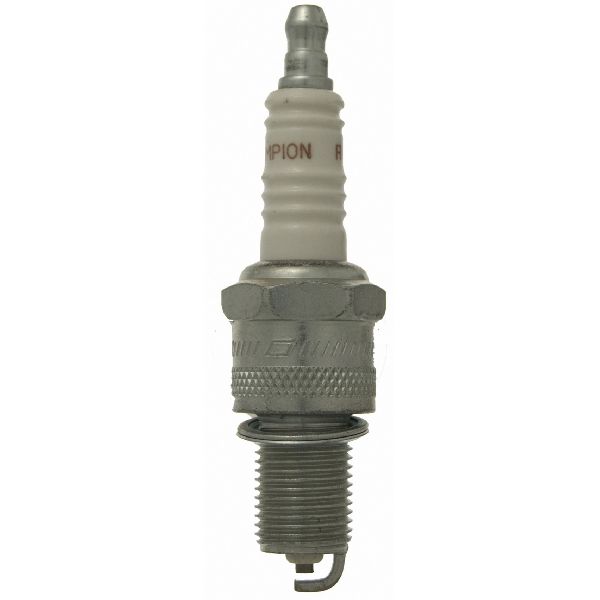
| Traditional / OEM-Style | Champion | Champion was the original equipment plug for many Mopars of this era. Many owners stick with them for originality and proven performance. The Champion RJ12YC is a common part number for V8s. While some enthusiasts have moved to other brands, Champions are a reliable, correct choice for a stock or mildly modified engine. |
| Popular Upgrade | NGK, Autolite | NGK and Autolite are extremely popular choices among Duster owners. Many find NGK plugs to be of very high quality and offer excellent performance and reliability. Autolite is also highly regarded, with many owners reporting they last longer and perform better than other brands in their classic Mopars. |
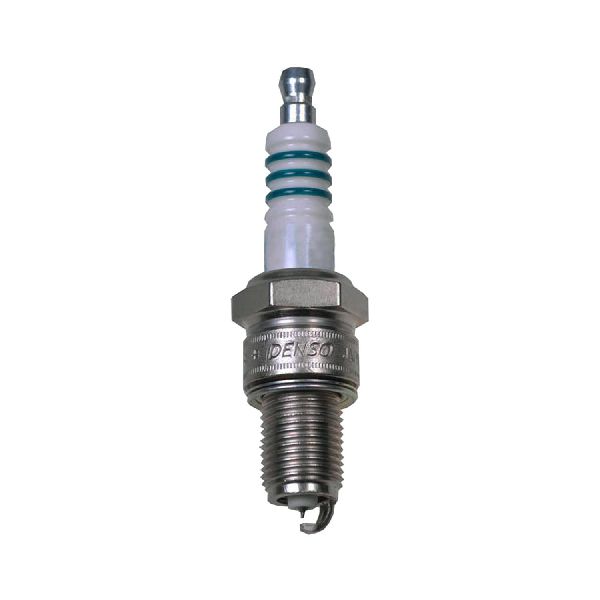
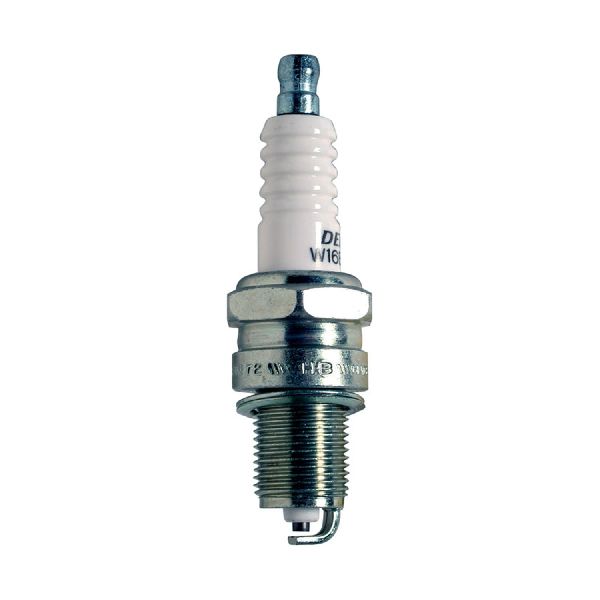
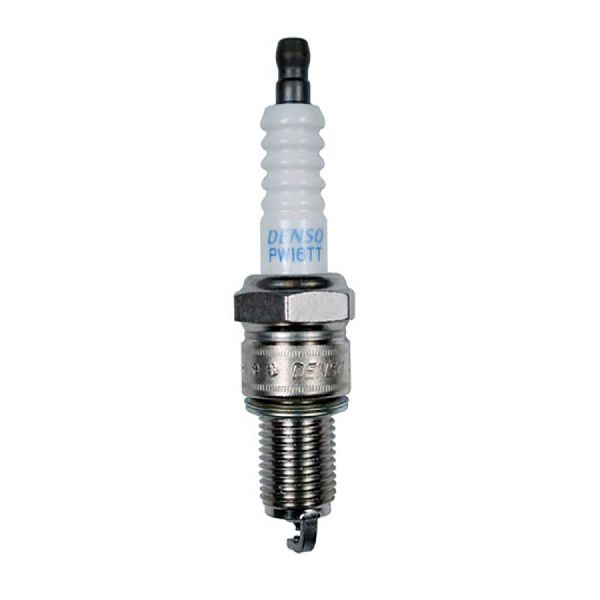
| Performance & Alternative | Denso, MSD, ACDelco | Denso offers high-quality plugs that are a solid choice. MSD is known for performance ignition systems and their plugs are geared towards modified engines. ACDelco plugs are also available and can be a suitable alternative if your preferred brand isn't in stock. |
Known Issues & Recalls
Given the age of the 1970-1976 Plymouth Duster, there are no active recalls or specific Technical Service Bulletins (TSBs) from the manufacturer related to spark plugs. Most issues are related to normal wear, incorrect installation, or other failing ignition components. For example, a bad ballast resistor, a common failure point on these cars, can cause a no-spark condition that might be mistaken for bad plugs.
Pro Tip: Check The Gap
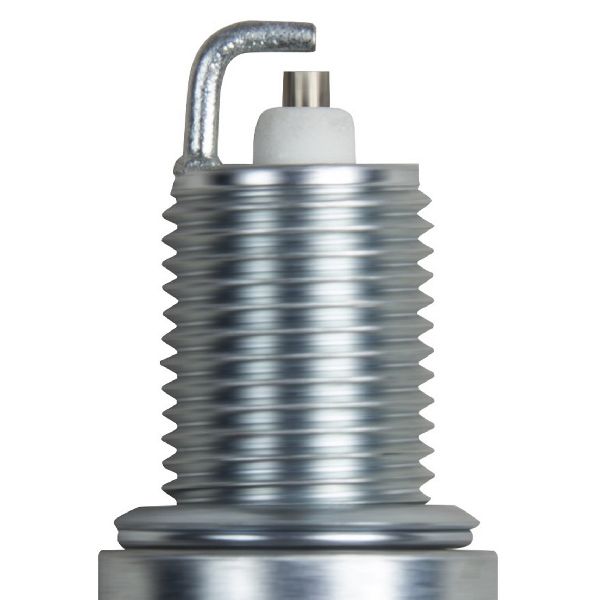
Never assume a new spark plug is gapped correctly out of the box. For these classic engines, the correct gap is crucial. A typical gap is around 0.035 inches, but you must verify the specification for your exact engine and ignition setup. Use a feeler gauge to check and adjust the gap before installation.
Aftermarket vs. OEM Quality
For a vehicle from the 1970s, new OEM (Original Equipment Manufacturer) parts are virtually nonexistent. The market is served by high-quality aftermarket brands that meet or exceed the original specifications. Brands like Champion were OEM suppliers, so their modern equivalent is a direct link to the past. Other brands like NGK and Autolite have built strong reputations among classic Mopar owners for reliability and performance, sometimes even being preferred over the original-style Champions. You can confidently use aftermarket plugs from a reputable brand in your Duster.
Estimated Costs
| Part Type | Price Range (6 or 8 plugs) |
|---|---|
| New Aftermarket (Standard Copper) | $21.00 - $50.00 |
| New Aftermarket (Platinum/Iridium) | $50.00 - $135.00 |
| Shop Labor for Installation | $75 - $150 |
Prices are estimates and may vary based on your location, engine type, and the specific brand of spark plug chosen.
Frequently Asked Questions
How often should I change the spark plugs on my Duster?
For standard copper spark plugs, a good rule of thumb is to inspect them every 10,000 miles and replace them every 15,000-20,000 miles. With classic cars that may not be driven daily, it's also wise to check them annually. Fouled or worn plugs can cause hard starting, poor idle, and reduced power.
Do I need platinum or iridium plugs for my classic Duster?
No. The ignition systems on these cars were designed for standard copper-core spark plugs. While modern plugs made of precious metals like platinum or iridium will work, they won't necessarily provide a significant benefit and are not worth the extra cost for a stock or near-stock engine. Sticking with a quality copper plug like those from Champion, NGK, or Autolite is your best bet.
What is a spark plug's "heat range"?
The heat range determines how hot the tip of the spark plug gets during engine operation. A "hotter" plug has a longer insulator nose and retains more heat, which helps burn off carbon deposits at low speeds. A "colder" plug has a shorter insulator nose, transfers heat more quickly, and is used in high-performance or heavy-load conditions to prevent overheating. It's important to use the stock heat range unless your engine is significantly modified.
Can I change the spark plugs myself?
Yes, changing spark plugs on a 1970-1976 Duster is a straightforward job for a DIY mechanic. Access is generally good, especially on Slant-6 and 318 engines. Some header designs on V8 models can make accessing the rear plugs more difficult, sometimes requiring a special wrench or socket.
Technical Specifications
OEM Part Numbers: RJ12YC RN12YC N9Y RN9YC
The most critical specifications are the heat range, thread reach (e.g., 3/8" for many stock iron heads), and seat type (gasket vs. tapered). The correct spark plug gap, typically 0.035", is also vital for proper engine operation.
We Have This Part in Stock


The information in this article is provided for general reference and educational purposes only. Vehicle specifications, procedures, and part compatibility can vary by production date, trim level, and region. Always consult your vehicle's factory service manual and verify part numbers before purchasing or performing repairs. Safety-critical components such as airbags, seat belts, and braking systems should be installed by a qualified professional.