

Chevrolet Impala 1970-1979 Starter: A Mechanic's Guide to Replacement
Don't get stranded; understand the common starting problems and replacement options for your classic Impala.
- A common issue for V8 models is 'heat soak,' where the starter fails to work when hot; a heat shield or a gear-reduction starter can fix this.
- Upgrading to a modern, gear-reduction 'mini-starter' provides more cranking power, saves weight, and offers better exhaust clearance.
- Before ordering, verify if your engine requires a starter with a straight or staggered bolt pattern to match your flywheel.
- Always disconnect the negative battery cable before beginning work to prevent electrical shorts and injury.
Is Your Impala's Starter Failing?
A starter motor on a classic car rarely fails without giving a few warnings. If you notice any of these signs, it's time to investigate before you end up stuck. The most common issues are often mistaken for a bad battery, so it's important to know the difference.
Common Failure Symptoms
- Slow Engine Crank: When you turn the key, the engine sounds sluggish and turns over slower than usual, as if the battery is dying. This can mean the starter's internal components are worn out.
- Clicking Noises: A single, loud click or a rapid series of clicks when you try to start the car is a classic symptom. This is often the sound of the starter solenoid engaging but failing to get enough power or having the internal contacts to turn the starter motor itself.
- No Crank, Lights On: You turn the key, the dashboard lights work, but the engine does nothing. If you've already confirmed the battery is good, the starter is the next logical suspect.
- Grinding or Whirring: A harsh grinding noise suggests the starter gear is not meshing correctly with the flywheel. A high-pitched whirring sound without the engine turning over means the starter motor is spinning, but its gear is not engaging the flywheel at all.
A Vehicle-Specific Problem: Starter Heat Soak
Owners of V8-powered 1970-1979 Impalas often encounter an issue called "heat soak." This happens when the starter, located close to the hot exhaust manifold, gets so hot that its electrical resistance increases dramatically. The symptom is a starter that works perfectly when the engine is cold but seems completely dead after a drive. The car won't start until the starter cools down for 15-30 minutes. This problem is even more common if you have aftermarket headers that sit closer to the starter.
Choosing the Right Aftermarket Starter
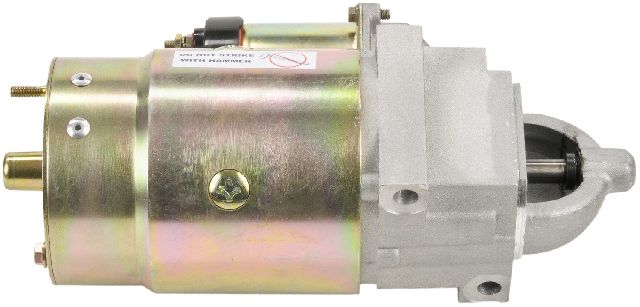
For a vehicle from this era, a "new OEM" starter isn't a practical option. Your choice is between a new aftermarket part or a remanufactured one. The biggest decision is between a standard, direct-drive starter and a modern gear-reduction starter.
| Starter Type | Pros | Cons |
|---|---|---|
| Standard Direct-Drive | Looks original, lower upfront cost. | Large, heavy, more susceptible to heat soak, requires more power from the battery. |
| Gear-Reduction (Mini-Starter) | Smaller, lighter, provides more cranking torque, less prone to heat soak, better clearance for exhaust. | Doesn't look original, may be slightly more expensive. |
Pro Tip: Consider an Upgrade
For most owners, especially those dealing with heat soak or who have modified engines, a gear-reduction or "mini-starter" is a worthwhile upgrade. They are more efficient and reliable than the original 1970s technology.
Aftermarket Brand Quality
Several brands offer starters for your Impala. Here’s an honest breakdown based on real-world feedback:
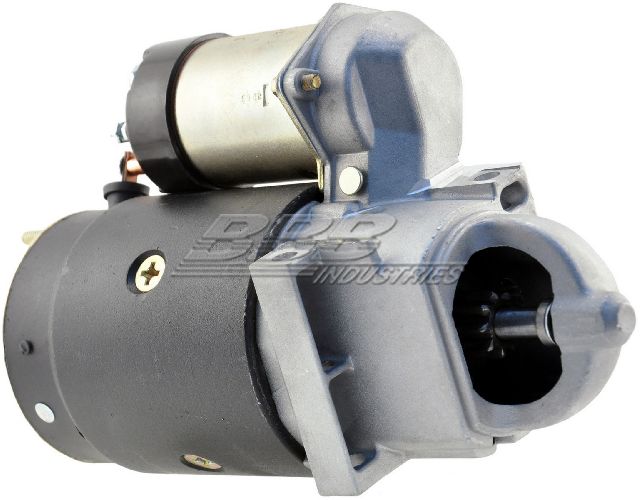
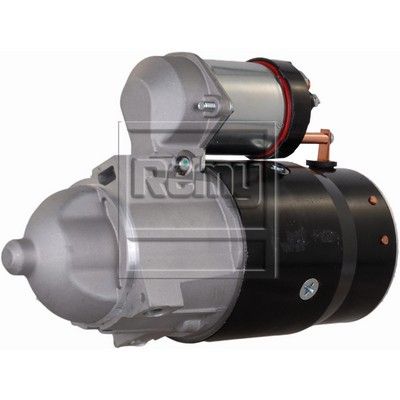
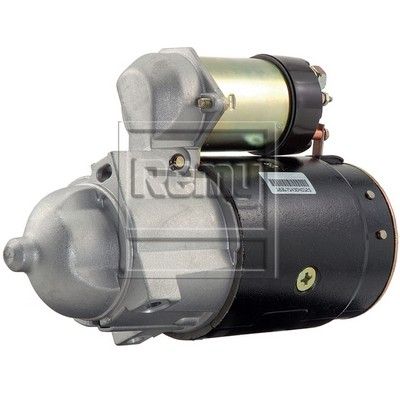
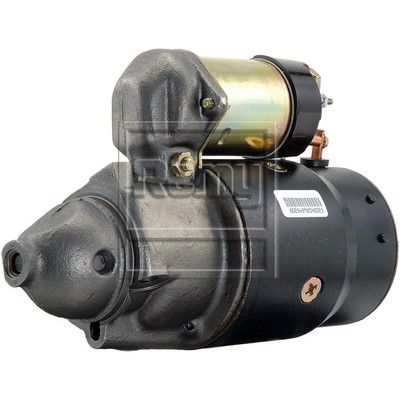
- Remy (Delco Remy): Remy has a long history dating back to the early days of GM and is a leading name in heavy-duty starters. Their remanufactured units are built to incorporate OE processes and are generally considered a high-quality choice for owners looking for reliability. However, some users have reported issues with new units, suggesting quality can vary.
- Bosch: Once a top-tier name, recent feedback on remanufactured parts from Bosch has been mixed. Some mechanics in forums suggest that the quality for older vehicle applications is not what it used to be, with some calling the parts "garbage." While they may perform well, it's a brand to be cautious with for this application.
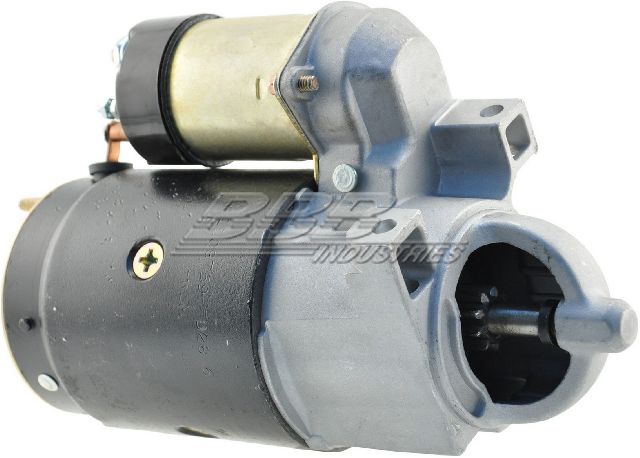
- BBB Industries: This company is a major supplier of remanufactured parts to many auto parts stores. They are a common, budget-friendly option. However, forum discussions indicate that quality can be a "crapshoot." It's a viable choice if price is the main concern, but be aware of the mixed reputation.
Cost of Replacing Your Impala's Starter
Starter replacement is a relatively affordable job. The parts are reasonably priced, and the labor is straightforward for a professional mechanic.
| Item | Estimated Cost |
|---|---|
| New Aftermarket Starter | $106 - $207 |
| Remanufactured Starter | $90 - $200 |
| Shop Labor | $150 - $300 |
| Total Estimated Cost | $256 - $507 |
Frequently Asked Questions
How do I know if it's the starter or just a dead battery?
A dead battery usually causes all electronics to be dim or dead, and you might hear a rapid clicking sound. If the dashboard lights are bright but the engine won't crank, or you get a single loud click, the starter is more likely the problem. The ultimate test is to try jump-starting the car. If it starts with a jump, your battery is the issue. If it still just clicks or does nothing, suspect the starter.
What is a starter heat shield and do I need one?
A starter heat shield is a piece of metal or a special blanket that goes between the starter and the exhaust manifold to protect it from heat. If you are experiencing heat soak, a heat shield is a great solution and is much cheaper than replacing the starter. Many high-torque mini-starters are also less affected by heat.
What are the bolts for a 1970s Impala starter?
The starter is typically held in place by two main bolts. Depending on the engine and flywheel combination, these bolts can be in a straight line or a staggered (offset) pattern. It is critical to get a starter that matches your engine's bolt pattern. Some aftermarket starters have dual mounting holes to fit both patterns.
Is replacing the starter a DIY job?
Yes, for someone with basic mechanical skills and tools, this is a very feasible DIY job. The process involves disconnecting the battery, safely raising the vehicle, removing two mounting bolts and a few electrical connections, and then reversing the process. Always disconnect the negative battery cable first to prevent dangerous electrical shorts.
Technical Specifications
The primary specifications are the bolt pattern (staggered or straight) and the flywheel tooth count (typically 153 or 168 teeth). Most V8 engines in this era use a staggered bolt pattern for a 168-tooth flywheel. Always verify your specific application.
We Have This Part in Stock

The information in this article is provided for general reference and educational purposes only. Vehicle specifications, procedures, and part compatibility can vary by production date, trim level, and region. Always consult your vehicle's factory service manual and verify part numbers before purchasing or performing repairs. Safety-critical components such as airbags, seat belts, and braking systems should be installed by a qualified professional.