

Choosing the Right Alternator for Your 1970-1980 Buick Century
Keep your classic Buick's electrical system reliable and strong with the correct new aftermarket alternator.
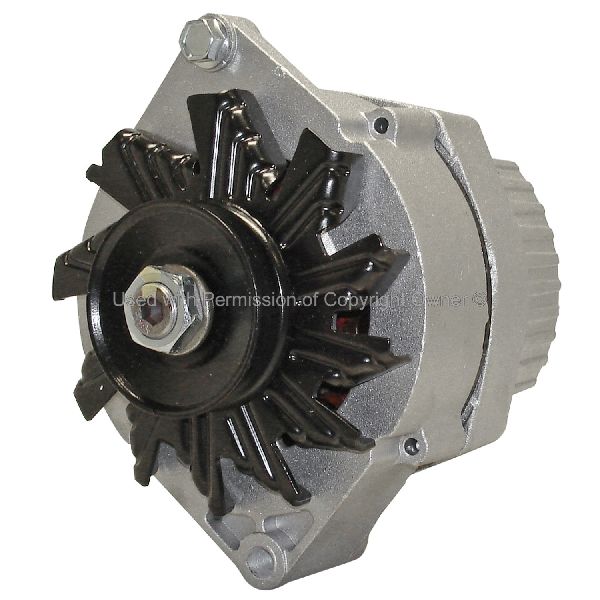
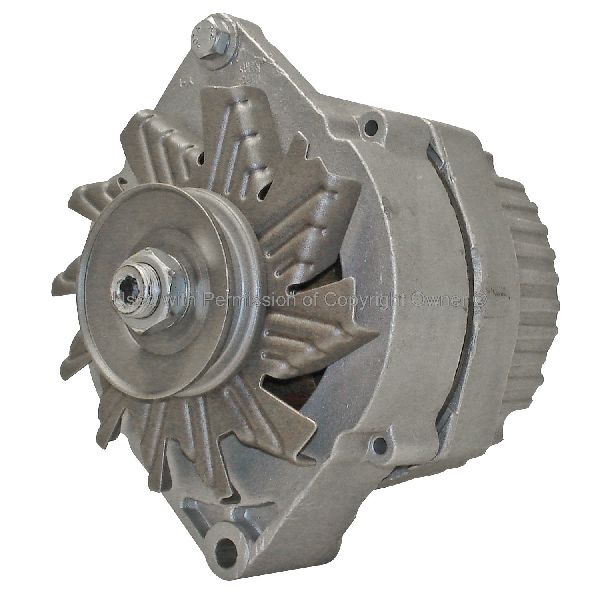
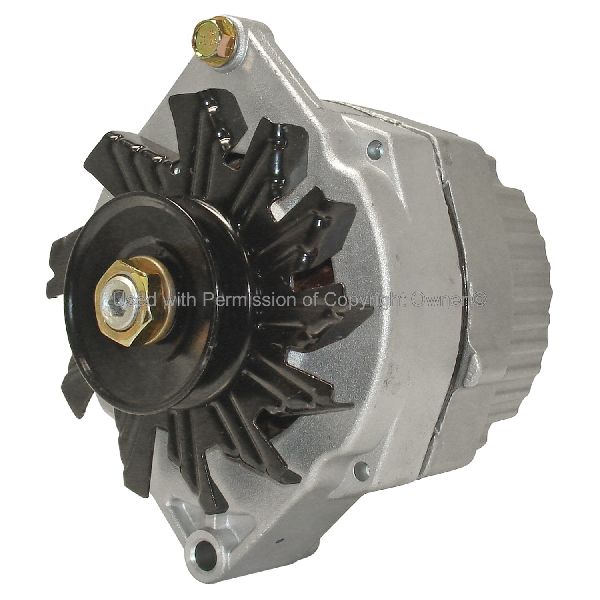
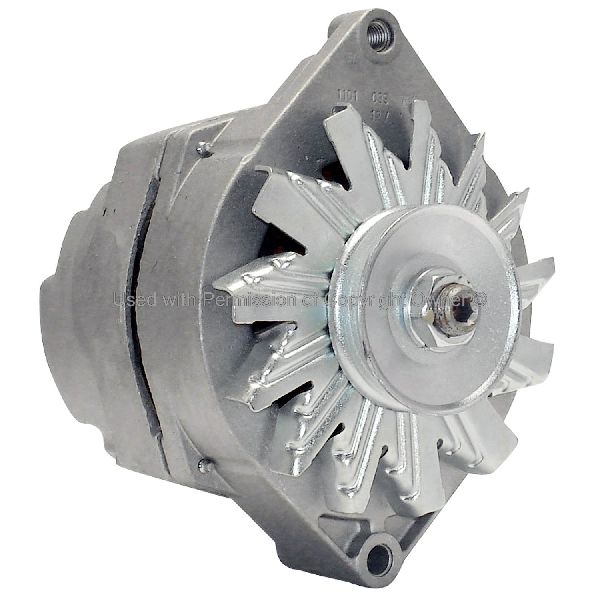
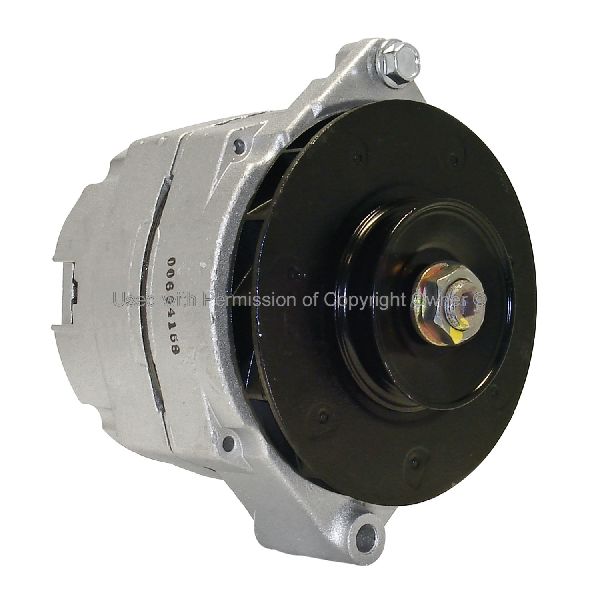
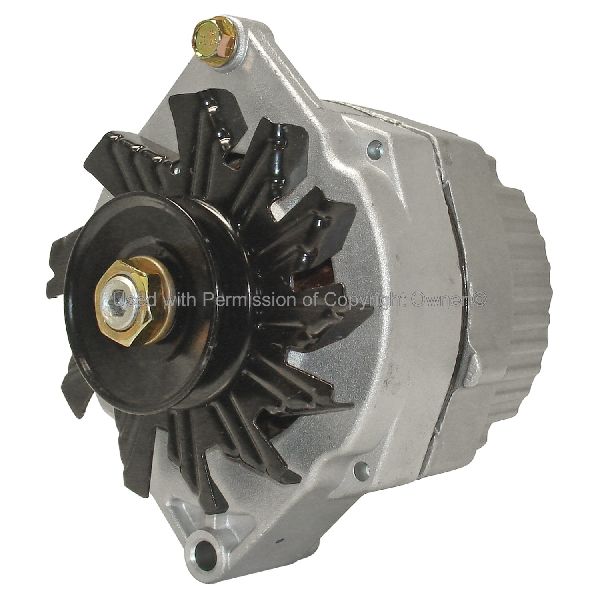
- The 1970-1980 Buick Century likely uses a GM 10SI style alternator, which is widely available in the aftermarket.
- If you have added modern electronics like a powerful stereo or electric fans, upgrade to a high-output alternator (100+ amps).
- ACDelco is a top choice for maintaining originality, while brands like Bosch and Remy offer excellent quality.
- Replacement is a simple DIY job for most owners, typically taking less than two hours with basic tools.
Is Your Century's Alternator Failing?
On a classic car like the 1970-1980 Buick Century, alternator problems can show up in obvious ways. Because these vehicles have simpler electrical systems, you're more likely to notice the symptoms directly. If you experience any of these, it's time to inspect your charging system.
- Dim or Flickering Lights: This is the most common sign. You might notice your headlights or dashboard lights are dim, or they flicker, especially when the engine is at idle. They may get brighter when you rev the engine.
- Battery Warning Light: Your dashboard might have a red light shaped like a battery, or it might say "ALT" or "GEN". If this light comes on and stays on while you're driving, it's a direct warning that the alternator is not charging.
- Whining or Grinding Noises: A high-pitched whine that changes with engine speed can point to a bad diode in the alternator. A grinding or growling sound often means the internal bearings are worn out and failing.
- Weak or Dead Battery: The alternator's job is to recharge the battery. If the alternator fails, the battery will drain while you drive, and eventually, the car won't start without a jump. If you need to jump-start your car frequently, the alternator is a likely suspect.
Choosing a New Aftermarket Alternator
For a 1970-1980 Buick Century, finding a new original equipment (OEM) alternator from GM is highly unlikely. The good news is that the aftermarket offers a wide variety of excellent options. These cars typically used the reliable GM 10SI series alternator, which is widely available and easy to service. Aftermarket parts are often just as durable as the original and more affordable.
Pro Tip: Check Your Amperage Needs
Stock alternators for this era were often in the 40-63 amp range, which was enough for the factory equipment. If you've added modern accessories like a powerful stereo, electric fans, or extra lighting, you should consider a high-output alternator. Brands like Powermaster offer direct-fit units with outputs of 100 amps or more to handle the extra electrical load.
Aftermarket Brand Quality Tiers
Not all brands are created equal. Here’s a breakdown of the brands available for your Century, sorted by general quality and reputation among classic car owners.
- Premium & High-Performance (ACDelco, Bosch, Powermaster, Proform): ACDelco is the original GM parts brand and a natural choice for a Buick, offering excellent fit and performance. Bosch is a respected German manufacturer known for high-quality, durable electrical parts. Powermaster and Proform specialize in high-output and performance alternators, perfect for modified vehicles needing more power.
- Quality Aftermarket (Remy, WAI Global, BBB Industries, MPA): Remy (formerly Delco-Remy) has a long history in automotive electrical systems and is a solid choice. WAI Global and BBB Industries (which includes brands like Quality-Built) are major suppliers of new and remanufactured parts that meet or exceed original specifications and are known for rigorous testing. MPA (Motorcar Parts of America) is another large, reputable North American supplier.
A Note on Remanufactured vs. New
Many quality options from brands like Bosch and ACDelco are remanufactured. This means an original unit has been rebuilt with new internal components and tested to meet factory standards. These are often a great value. New units are built from all-new components. For a vintage car like the Century, a quality remanufactured unit from a top brand is often just as reliable as a new one.
Installation & Replacement
Replacing the alternator on a 1970-1980 Buick Century is a straightforward job for a DIY mechanic. The alternator is typically easy to access on top of the engine. The basic process involves disconnecting the battery, loosening the drive belt, unbolting the old alternator, and installing the new one in the reverse order. Always disconnect the negative battery cable first to prevent electrical shorts.
| Difficulty | Easy |
|---|---|
| Estimated Time | 1-2 hours |
| DIY Feasible? | Yes |
Frequently Asked Questions
Do I need a special alternator if I added a big stereo?
Yes. A stock alternator from the 1970s is not designed to handle the power demands of modern, high-wattage amplifiers and subwoofers. You will need a high-output alternator, likely 100 amps or more, to prevent dimming lights and provide clean, stable power to your audio system.
What is a "1-wire" alternator?
A 1-wire alternator is a modification that simplifies wiring. It only requires one wire running from the alternator's output post to the battery's positive terminal. Many aftermarket performance alternators from brands like Powermaster offer this for easy installation, though it may require bypassing your car's original external voltage regulator if it has one.
Are there any recalls for the alternator on a 1970-1980 Buick Century?
No specific recalls for the alternator itself were found in searches of the NHTSA database for this vehicle range. Due to the vehicle's age, any original recalls would likely be long expired. Always check for recalls using your vehicle's VIN.
What does "externally regulated" mean?
Some very early cars in this range may have an externally regulated alternator. This means a separate box, the voltage regulator, is mounted on the firewall or fender. Later models switched to an internally regulated alternator (like the 10SI), where the voltage regulator is built into the back of the alternator itself. Most aftermarket replacements today are internally regulated for simplicity and reliability.
Technical Specifications
Most models from this era use a GM 10SI or 12SI series alternator. Stock amperage was typically between 42 and 63 amps. Mounting style is typically a two-ear pivot mount. The voltage regulator is usually internal on most replacement units.
We Have This Part in Stock

The information in this article is provided for general reference and educational purposes only. Vehicle specifications, procedures, and part compatibility can vary by production date, trim level, and region. Always consult your vehicle's factory service manual and verify part numbers before purchasing or performing repairs. Safety-critical components such as airbags, seat belts, and braking systems should be installed by a qualified professional.