

Ford Mustang Speedometer Cable Guide: 1970-1982
Solve your bouncing needle and noisy dash with the right speedometer cable for your classic Mustang.
- A bouncing needle or squealing noise from the dash are the most common signs of a failing speedometer cable.
- Always lubricate a new cable with dry graphite before installation to ensure smooth operation.
- Verify the correct length and connection type for your specific year, transmission, and cruise control option before ordering.
- Check the plastic speedometer gear at the transmission for damage, as this is another common failure point.
Is Your Speedometer Cable Failing?
A bad speedometer cable in a classic Mustang is a common issue, but the symptoms are often straightforward. Because the part is mechanical, you'll usually see or hear the problem. Look for these signs:
- Bouncing Speedometer Needle: The most common symptom. A needle that jumps around, especially at lower speeds, often points to a cable that is binding, dry, or kinked.
- Squealing or Grinding Noises: A dry or frayed inner cable can make scratching or squealing sounds from behind the dashboard that change with vehicle speed.
- No Speed Reading: If the needle doesn't move at all, the inner cable has likely snapped or become disconnected at the transmission or the speedometer head.
- Inaccurate Speed: While often related to the speedometer gear, a cable that is binding and releasing can cause the speed to read incorrectly.
Check the Speedometer Gear First
Before you replace the cable, inspect the plastic speedometer gear where the cable connects to the transmission. These gears can get chewed up, causing a bouncing needle or a complete loss of speed reading. If the gear is damaged, a new cable won't fix the problem.
Choosing an Aftermarket Speedometer Cable
For a vehicle as old as a 1970-1982 Mustang, new OEM Ford parts are virtually nonexistent. The good news is that aftermarket replacements are readily available and are considered a standard repair item. The quality of an aftermarket cable is generally good, but proper installation is key to a long service life.
The main differences between brands often come down to included hardware and specific design variations. Your choice will depend on your budget and application:
- Standard Replacement (Pioneer Cable, ATP): These brands offer direct-fit, affordable cables that function like the original. They are the go-to for most stock restorations and repairs. Reviews suggest they are a reliable choice, but proper lubrication before installation is crucial for smooth operation.
- Premium/Custom (Lokar): Lokar provides high-end cables, often with a braided stainless steel housing for a custom look. These are more expensive and are typically chosen for modified cars or hot rods where appearance is as important as function.
Pro Tip: Lubricate Your New Cable
Even new cables benefit from lubrication. Pull the inner core out of the housing and apply a light coating of dry graphite lubricant. Avoid using heavy grease, as it can work its way up into the speedometer head and cause damage. Only lubricate the lower two-thirds of the cable to be safe.
Common Ordering Mistakes for 1970-1982 Mustangs
The 1970-1982 period covers three distinct Mustang generations (late 1st-gen, Mustang II, and early Fox Body). Pay close attention to these details when ordering:
- Transmission Type: Cables are often specific to automatic or manual transmissions.
- Cruise Control: Cars with factory cruise control may require a different, sometimes longer, cable.
- Cable Length: Measure your old cable if possible. A cable that is too short will break under tension, and one that is too long is difficult to route without sharp bends that cause binding.
- Firewall Grommet: Many replacement cables do not include a new firewall grommet, which may need to be purchased separately.
Installation Overview
Replacing the speedometer cable is a feasible DIY job for most owners with basic hand tools. The process generally involves:
- Disconnecting the old cable from the back of the speedometer cluster. This usually requires reaching under the dash or partially removing the cluster.
- Unbolting the cable from the transmission and pulling it out.
- Routing the new cable carefully, avoiding sharp bends and proximity to hot exhaust components.
- Connecting the new cable to the transmission and speedometer.
Frequently Asked Questions
Why is my new speedometer cable still bouncing?
This is almost always caused by improper routing or lack of lubrication. A sharp bend in the cable housing will cause the inner cable to bind and release, creating a bounce. Another cause could be a worn speedometer drive gear in the transmission or an issue within the speedometer head itself.
Do I need special tools to replace my speedometer cable?
No, special tools are not typically required. The job can usually be done with a basic set of screwdrivers and wrenches to access the dash cluster and the connection at the transmission.
Why is my speedometer reading the wrong speed after changing the cable?
The cable itself does not affect accuracy, but the plastic gear on the end of it does. If you have changed your tire size or rear axle ratio, you will need to install a speedometer gear with a different tooth count to correct the reading. A speedometer reading high means you need a gear with more teeth; a speedometer reading low means you need fewer teeth.
Can I just replace the inner cable core?
Yes, it is possible to just replace the inner core if the outer housing is in good condition. However, most owners replace the entire assembly. If the old inner cable broke due to a kink or damage to the housing, a new inner core will likely fail for the same reason.
Technical Specifications
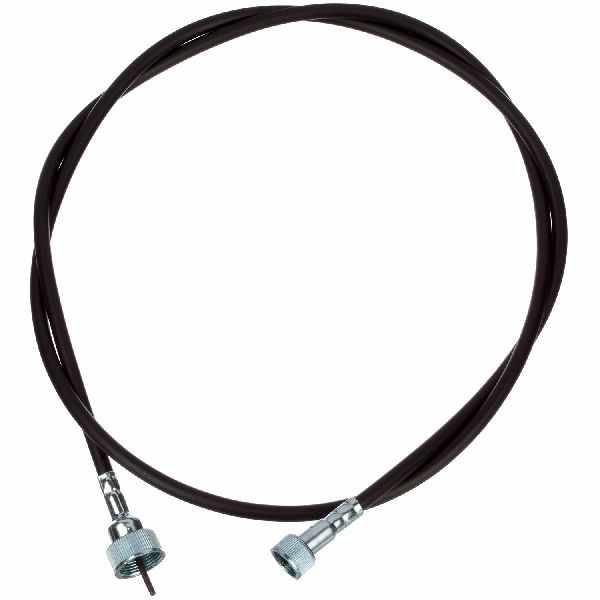
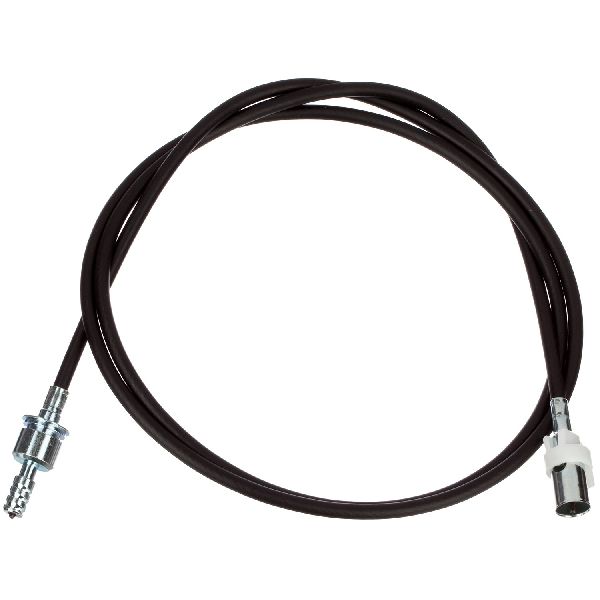
The key specifications for a speedometer cable are its overall length, the type of fitting at the speedometer head (clip-on), and the type of fitting at the transmission end, which varies by transmission type and the presence of a speed sensor for cruise control.
We Have This Part in Stock


The information in this article is provided for general reference and educational purposes only. Vehicle specifications, procedures, and part compatibility can vary by production date, trim level, and region. Always consult your vehicle's factory service manual and verify part numbers before purchasing or performing repairs. Safety-critical components such as airbags, seat belts, and braking systems should be installed by a qualified professional.