

A Ford Bronco Owner's Guide to Replacing the 1970-1987 Carburetor
Here is what you need to know before buying a new aftermarket carburetor for your classic Ford Bronco.
- Verify your Bronco's engine size and original carburetor type (1-bbl, 2-bbl, or 4-bbl) before purchasing a replacement.
- Choose an aftermarket brand based on your goal: Edelbrock for a performance upgrade or Uremco for a stock-style replacement.
- Proper tuning (idle speed and air/fuel mixture) after installation is mandatory for smooth operation and performance.
- If you have a mid-1980s model with a 'feedback' carburetor, consider replacing the distributor at the same time for better reliability.
Common Symptoms of a Failing Carburetor
An old or failing carburetor can cause a range of problems. Because these Broncos pre-date modern On-Board Diagnostics (OBD-II), they won't show a "Check Engine" light with a code. You have to rely on how the truck drives and runs.
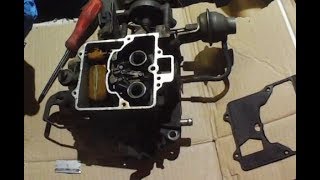
- Engine Flooding: A strong smell of gasoline, black smoke from the exhaust, and fuel dripping from the carburetor are signs of flooding. This is often caused by a stuck float or a bad needle and seat valve inside the carb, causing the fuel bowl to overflow. 🎬 Watch: How to fix a carb overflow on your Bronco.
- Hesitation or Stumbling: If your Bronco bogs down or hesitates when you press the gas pedal, it could be a problem with the accelerator pump or clogged internal passages.
- Rough Idle and Stalling: An idle that is erratic, dropping low and sometimes causing the engine to die, can point to a carburetor issue. This is often made worse by vacuum leaks around the base of the carburetor.
- Hard Starting: Difficulty starting the engine, especially when it's warm, can be caused by fuel boiling out of the carburetor, a condition known as percolation. Long cranking times after the truck sits for a few days can also mean the fuel bowl is leaking or evaporating empty.
A Special Note on 1983-1987 Broncos
Later model Broncos in this year range often came with a computer-controlled "feedback" carburetor. These systems are known to be troublesome, with aging electronics and brittle vacuum lines causing performance issues. If you have a feedback carb, many mechanics and owners recommend replacing both the carburetor and the distributor with earlier, non-computerized versions for better reliability.
Choosing the Right Aftermarket Carburetor
Original Equipment (OEM) Motorcraft carburetors are no longer produced new. Your choices are new aftermarket parts, or remanufactured/used originals. For new parts, the decision often comes down to your goal: a stock-style replacement or a performance upgrade.
Tier 1: Performance Upgrade (Edelbrock)
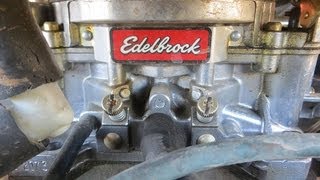
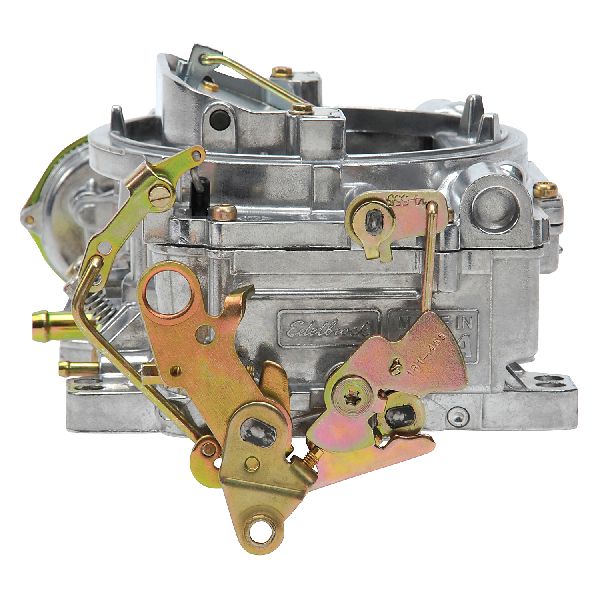
Edelbrock is a very popular choice for Bronco owners looking to upgrade from a stock 2-barrel to a 4-barrel carburetor for more power. They are known for being relatively easy to tune, with readily available kits to adjust the fuel mixture. However, some owners report they can run rich, leading to lower fuel economy, and may be prone to stalling on steep off-road inclines. For a stock or mildly modified V8, a 500 or 600 CFM model is usually recommended.
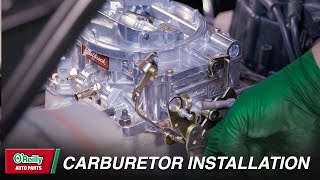
🎬 See this walkthrough for installing an Edelbrock carburetor.Tier 2: Stock-Style Replacement (Uremco)
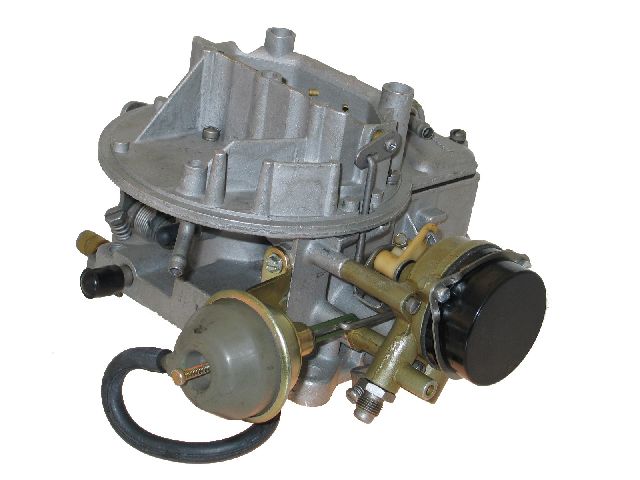
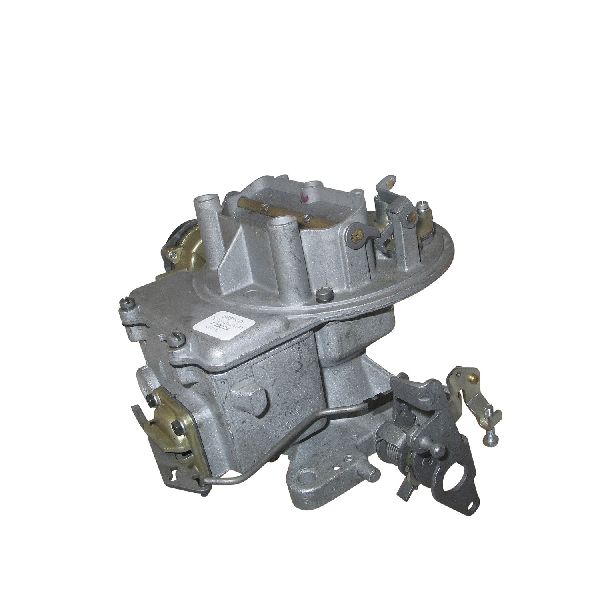
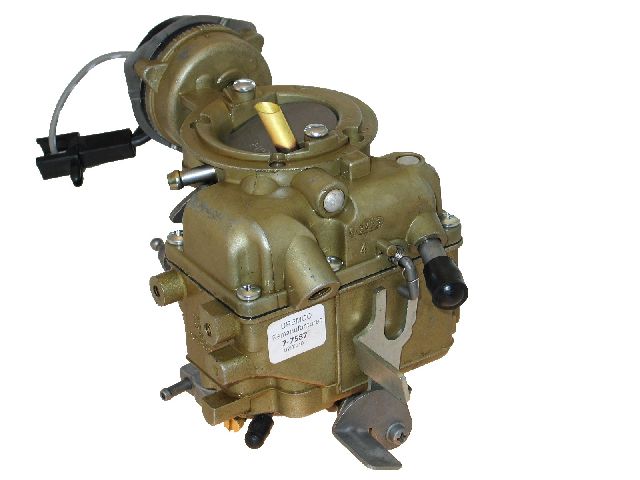
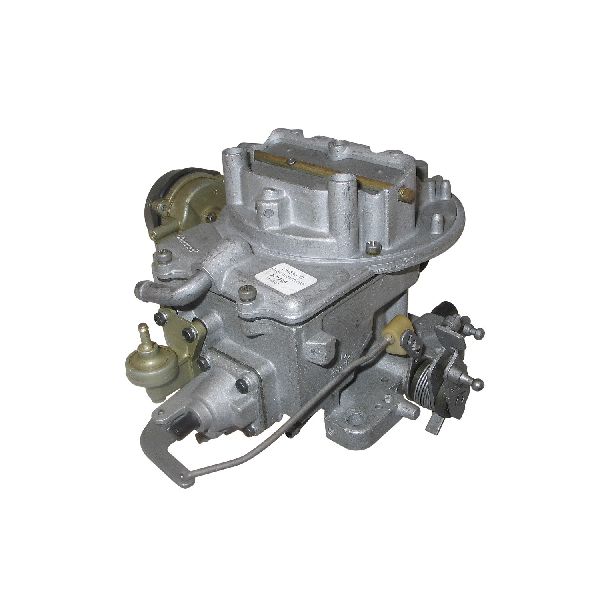
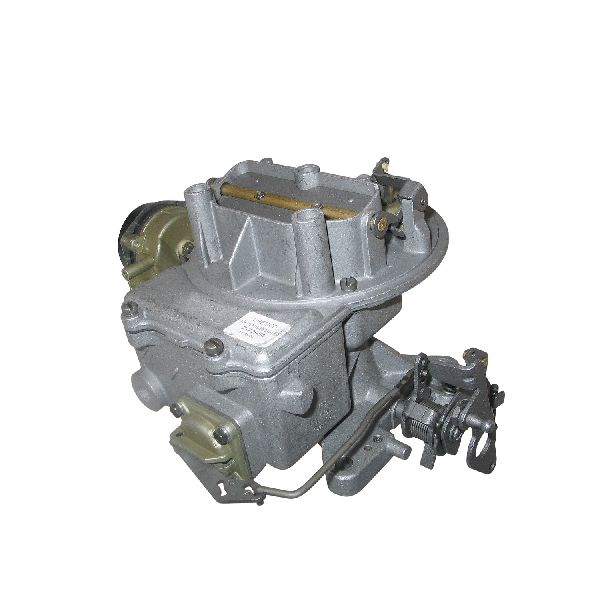
Uremco specializes in remanufacturing carburetors to original specifications. Choosing a Uremco carburetor is a good option if you want a direct, bolt-on replacement that functions like the original without needing to modify other parts like the intake manifold. This is the simpler path to getting your Bronco back on the road with reliable, stock-like performance.
Pro Tip: Know Your Engine
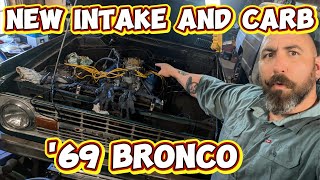
Before ordering, confirm your Bronco's engine size (e.g., 300, 302, 351W) and the type of carburetor it currently has. If you are upgrading from a 2-barrel to a 4-barrel, you will also need to replace the intake manifold. Mismatched parts will lead to poor performance and installation headaches.
Aftermarket Carburetor Cost for 1970-1987 Ford Bronco
| Part Type | Estimated Cost |
|---|---|
| New Aftermarket Carburetor | $313.86 - $469.95 |
| Remanufactured OEM Carburetor | $200 - $400 |
| Shop Labor for Installation | $150 - $300 |
Frequently Asked Questions
Do I need to tune a new carburetor?
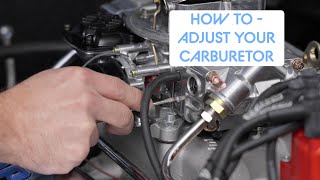
Yes, absolutely. While a new carburetor may work out of the box, it must be tuned to your specific engine for optimal performance. This involves setting the idle speed and adjusting the air/fuel mixture screws, ideally with a vacuum gauge to get the smoothest idle.
🎬 Watch: How to properly adjust and tune your carburetor.Should I get a 2-barrel or 4-barrel carburetor?
That depends on your goals. A 2-barrel carburetor, like the stock Motorcraft 2100, is simple, reliable, and provides good performance for daily driving. A 4-barrel carburetor (like an Edelbrock) will provide more power at wide-open throttle but requires a matching 4-barrel intake manifold and may be more complex.
Is Edelbrock or Uremco better for my Bronco?
Neither is universally "better"; they serve different purposes. Choose Edelbrock if you are seeking a performance upgrade and are comfortable with potential tuning. Choose a remanufactured brand like Uremco if you want a reliable, stock-style replacement that is easy to install.
Were there any recalls for the 1970-1987 Bronco carburetor?
No. Searches of the National Highway Traffic Safety Administration (NHTSA) database did not show any recalls or technical service bulletins (TSBs) specifically for the carburetors on 1970-1987 Ford Broncos. Recalls you may see listed are for modern Broncos with fuel-injected engines.
Helpful Videos

Technical Specifications
OEM Part Numbers: Motorcraft 2100 Motorcraft 2150 Autolite 2100 Autolite 4100 Carter YFA
Key specifications include the barrel count (1, 2, or 4) and the CFM (Cubic Feet per Minute) rating. For V8 engines like the 302 or 351W, a CFM rating between 500 and 600 is common for aftermarket upgrades. For the inline-6 300, a 1-barrel or 2-barrel carburetor is standard. Always match the carburetor to your engine and intake manifold.
We Have This Part in Stock

The information in this article is provided for general reference and educational purposes only. Vehicle specifications, procedures, and part compatibility can vary by production date, trim level, and region. Always consult your vehicle's factory service manual and verify part numbers before purchasing or performing repairs. Safety-critical components such as airbags, seat belts, and braking systems should be installed by a qualified professional.
- 🎬 Helpful Videos
- 🛍️ Shop This Part
- Common Symptoms of a Failing Carburetor
- A Special Note on 1983-1987 Broncos
- Choosing the Right Aftermarket Carburetor
- Tier 1: Performance Upgrade (Edelbrock)
- Tier 2: Stock-Style Replacement (Uremco)
- Pro Tip: Know Your Engine
- Aftermarket Carburetor Cost for 1970-1987 Ford Bronco
- Frequently Asked Questions
- 🎟️ Get 5% Off