

Ford Mustang 1970-2003 Horn: Diagnosis and Aftermarket Replacement
A silent horn is a safety hazard; this guide covers troubleshooting and replacing the horn on your classic or SN95 Mustang.
- Always diagnose the problem before buying parts; check the fuse and relay first.
- On 1990-2003 Mustangs, a bad clock spring is a very common cause of horn failure, often accompanied by an airbag light.
- Test the horn by connecting it directly to a 12V source to confirm it has failed before replacing it.
- Most Mustangs use a high/low dual-horn setup; replace them as a pair for the correct sound.
Is Your Mustang's Horn Silent? Common Symptoms
A failing horn usually presents in a few obvious ways. If you press the horn pad and nothing happens, or if the sound is very weak, intermittent, or sounds like a sick duck, it's time to investigate. In some cases, a short circuit can cause the horn to stay on continuously, which is a clear sign of an electrical problem.
Diagnosing the Problem: Is It Really the Horn?
Before you buy a new horn, a few simple checks can save you time and money. The horn assembly itself is a durable part; the problem is often elsewhere in the electrical circuit.
- Check the Fuse: This is the easiest and first step. A blown fuse is a common cause of a dead horn.
- Check the Relay: If you hear a 'click' from the fuse box or under the dash when you press the horn button, the relay is likely working, but the horn itself might be bad. If you hear no click, the relay could be the culprit.
- The Clock Spring (1990-2003 Models): For later Fox Body and all SN95 Mustangs with airbags, the horn wiring passes through a component called the clock spring in the steering column. A broken clock spring is a very common reason for the horn and cruise control to stop working, and it will often trigger an airbag warning light.
- The Horn Switch: On Fox Body Mustangs (1987-1989 specifically), the foam pad inside the horn button can deteriorate, causing the horn to either not work or to honk randomly.
- Test the Horn Directly: You can test the horn itself by disconnecting its wiring and running a jumper wire directly from the car battery. If the horn sounds, the problem is in the vehicle's wiring, relay, or switch. If it doesn't sound, the horn assembly has failed.
Choosing the Right Aftermarket Horn
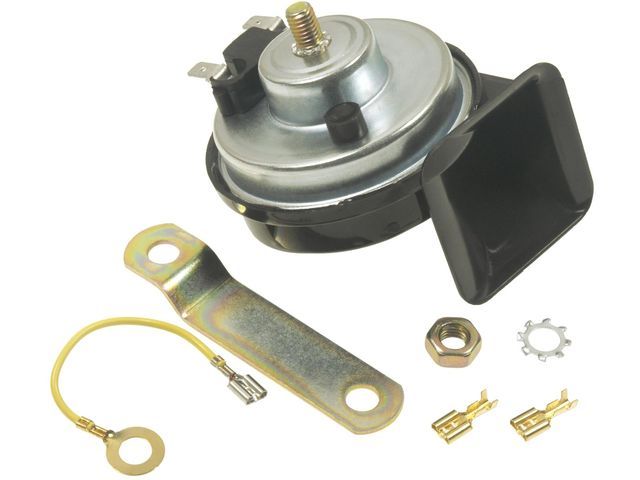
When it's time to buy, you have options. For a daily driver or a standard restoration, a quality aftermarket horn will provide reliable service and a strong, clear tone. Most Mustangs use a high and low-tone pair; it's best to replace them together.
Aftermarket Brand Tiers
| Tier | Brands | Quality & Performance |
|---|---|---|
| Premium Aftermarket | Standard Ignition (SMP) | Standard Ignition is a highly respected name in automotive electronics. Their parts are known for meeting or exceeding OEM specifications and are a reliable choice for durability and proper function. |
| Standard Aftermarket | ACDelco | While often associated with GM, ACDelco is a major supplier of quality aftermarket parts for all makes. Their horns are a solid, dependable option that provides good value and performance. |
| Economy | Replacement | This is your budget-friendly option. A "Replacement" branded horn will get your horn working again to pass a safety inspection, but its tone may differ from the original, and its long-term durability might not match premium brands. |
How Much Does a New Horn Cost for a 1970-2003 Mustang?
The cost can vary depending on the brand and whether you do the work yourself. The horn itself is an affordable part.
| Part Type | Price Range |
|---|---|
| New Aftermarket Horn | $36.29 - $61.88 |
| Shop Labor for Installation | $90 - $150 |
Frequently Asked Questions
Why did my Mustang's horn suddenly stop working?
The most common causes are a blown fuse, a bad horn relay, a failed horn switch in the steering wheel, or a broken clock spring on models with airbags. Always check the fuse first.
Does my 1970-2003 Mustang have one or two horns?
Most Mustangs in this year range, especially from the Fox Body and SN95 eras, use a dual-horn system with separate high-note and low-note horns to create a fuller sound. They are typically located together in the driver's side fender area.
Is replacing the horn on a Mustang difficult?
The replacement itself is easy—usually just one bolt and a wiring connector. The main challenge is access. On Fox Body and SN95 Mustangs, the horns are located in the driver's side fender well, and you'll need to remove the inner fender splash guard to reach them.
What is a clock spring and why does it fail?
A clock spring is a special rotary electrical connector in the steering column that allows the steering wheel to turn while maintaining a connection for the airbag, horn, and cruise control buttons. Inside is a coiled ribbon wire that can break from age and repeated turning, causing these components to stop working.
Will an aftermarket horn sound the same as the original?
It might sound slightly different. The tone of a horn depends on its design and frequency. To get a sound that's as close to stock as possible, choose a quality replacement and, if your car has two horns (high and low note), replace them as a pair.
Technical Specifications
OEM Part Numbers: F4ZZ-13832-B F4ZZ-13832-A D1ZZ-13832-A D1ZZ-13833-A
System consists of a switch, relay, fuse, and one or two horn assemblies (high and low note). Later models (1990+) integrate wiring through a clock spring in the steering column.
We Have This Part in Stock


The information in this article is provided for general reference and educational purposes only. Vehicle specifications, procedures, and part compatibility can vary by production date, trim level, and region. Always consult your vehicle's factory service manual and verify part numbers before purchasing or performing repairs. Safety-critical components such as airbags, seat belts, and braking systems should be installed by a qualified professional.