

Mercury Comet Accessory Drive Belts: A Guide for 1971-1977 Models
Keep your classic 1971-1977 Mercury Comet running smoothly by understanding its accessory drive belts.
- Your Comet uses multiple V-belts, not a single serpentine belt. Identify your engine and accessories to get the correct sizes.
- Squealing noises and visible cracks are clear signs that your belts need immediate replacement.
- A broken water pump or alternator belt will leave you stranded. Do not drive with a known bad belt.
- Quality aftermarket brands like Gates, Dayco, and Continental are excellent and reliable choices for your classic Comet.
Understanding the V-Belts on Your Comet
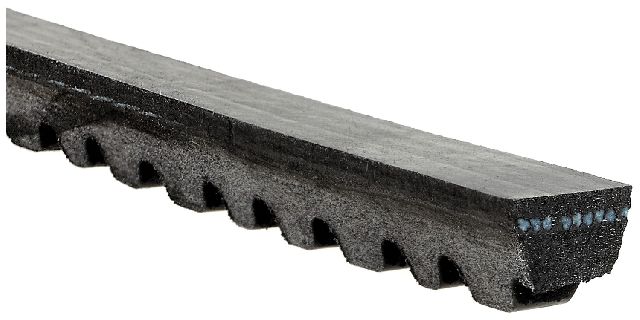
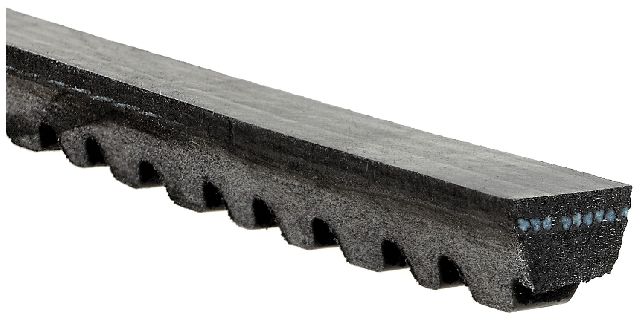
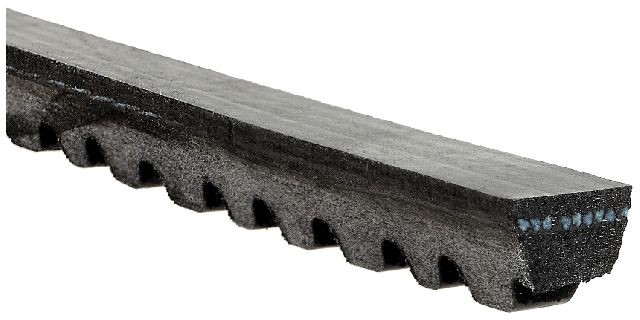
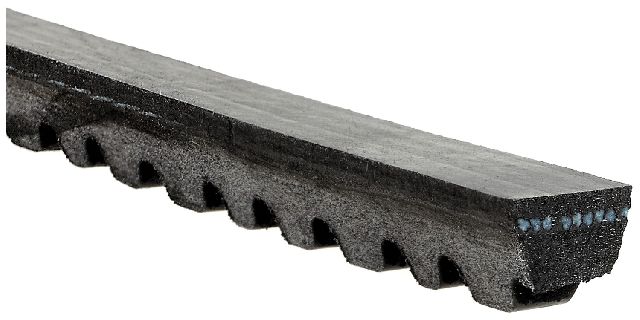
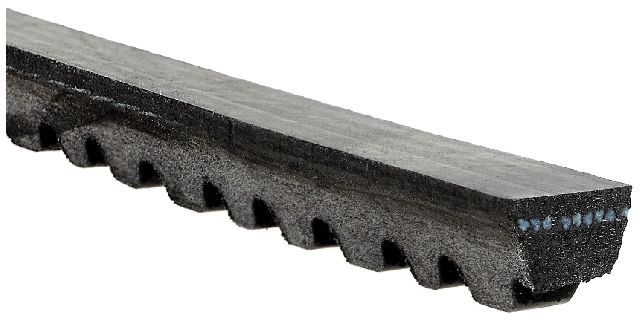
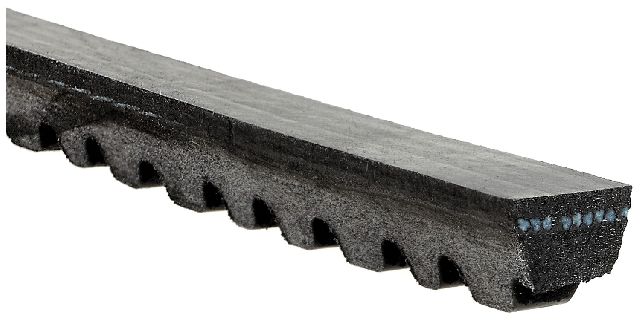
The 1971-1977 Mercury Comet uses a classic V-belt system. Unlike a single serpentine belt, your car has multiple individual belts. This means one belt might run the alternator and water pump, while another separate belt runs the power steering pump. This setup was common for cars of this era. The main advantage is that if one belt fails, it doesn't always disable the entire car, though a failure of the water pump or alternator belt is still a serious issue.
A Note on Terminology
While often called "fan belts," the correct term is accessory drive belts or V-belts. They do more than just turn the fan on most models. On these Comets, the fan is typically attached directly to the water pump pulley, so if the water pump belt fails, the fan stops spinning too, leading to rapid overheating.
Symptoms of a Failing Accessory Drive Belt
A worn or failing V-belt will give you several warning signs. Ignoring them can lead to a breakdown or even engine damage. Listen and look for these common symptoms:
- Squealing Noises: A high-pitched squeal, especially when starting the engine or turning the steering wheel, is the most common sign of a loose or worn belt. The noise comes from the belt slipping on the pulleys.
- Visible Cracks and Fraying: Inspect your belts regularly. If you see cracks, splits, or frayed edges, the belt is old and needs to be replaced immediately.
- Glazed or Shiny Appearance: A belt that looks shiny or glazed on the sides that contact the pulleys is hardened and can no longer grip properly. This causes slipping and reduces the power sent to your accessories.
- Accessory Malfunctions: If your power steering becomes heavy, your battery light comes on, or the engine temperature starts to rise, it could be due to a slipping or broken belt. A broken water pump belt will cause the engine to overheat very quickly.
Choosing the Right Aftermarket Belts
For a classic car like the 1971-1977 Comet, original Motorcraft belts are no longer readily available. Fortunately, top-tier aftermarket brands offer excellent, reliable replacements. Brands like Gates, Dayco, and Continental are all trusted names in the industry. For a standard V-belt application like this, the quality differences between these major brands are minimal, and any will provide reliable service. The most important factor is getting the correct size and type for your specific engine and accessory combination.
Pro Tip: When replacing belts, it's a good practice to replace them all at once, especially if you don't know their age. This ensures all your accessories are running on fresh, reliable belts and saves you from doing the same job again in a few months.
| Item | Estimated Cost |
|---|---|
| New Aftermarket Belts (per belt) | $7.33 - $40.77 |
| Shop Labor (per belt, approx.) | $50 - $100 |
| New OEM (Motorcraft) | Very limited availability (New Old Stock), prices vary widely |
Frequently Asked Questions
How do I know which belts to buy for my Comet?
You must identify your engine (e.g., 200ci I6, 250ci I6, or 302ci V8) and which accessories you have (power steering, air conditioning). The number of pulleys and their configuration determines the length of the belts. The best method is to measure your old belts or find their part numbers if they are still visible. If you are unsure, consult a parts catalog or a mechanic with the correct information for your vehicle.
Can I replace the belts myself?
Yes, replacing V-belts on a 1971-1977 Comet is a very DIY-friendly job. It requires basic hand tools to loosen the alternator, power steering pump, or other accessories to release tension on the old belts and properly tension the new ones. There are no complex spring-loaded tensioners like on modern cars.
How often should I inspect my belts?
A good rule of thumb is to inspect the belts every time you check your oil. Look for cracks, fraying, and proper tension. A properly tensioned belt should have about half an inch of deflection when you press on it in the middle of its longest span.
Are there any recalls or common issues for Comet drive belts?
No recalls or Technical Service Bulletins (TSBs) from the NHTSA exist specifically for accessory drive belts on the 1971-1977 Mercury Comet. Any issues that arise are typically due to normal wear and tear from age, which is expected for any rubber component on a classic vehicle.
Technical Specifications
System uses multiple V-belts. Belt length and width vary based on engine (170, 200, 250, or 302 cid) and accessories (power steering, A/C). Always verify the specific belts required for your vehicle's configuration.
We Have This Part in Stock

The information in this article is provided for general reference and educational purposes only. Vehicle specifications, procedures, and part compatibility can vary by production date, trim level, and region. Always consult your vehicle's factory service manual and verify part numbers before purchasing or performing repairs. Safety-critical components such as airbags, seat belts, and braking systems should be installed by a qualified professional.