

Suspension Shock Absorber Guide for the 1971-1977 Mercury Comet
Get the facts on replacing your classic Comet's shocks for a better ride and improved handling.
- Original OEM shocks are no longer made; you will be buying aftermarket parts.
- Replacing shocks on a Comet is a simple DIY job that does not require special tools like spring compressors.
- Choose your brand based on your goals: budget brands for basic transport, KYB or Sachs for a quality stock feel, and Bilstein for a noticeable performance upgrade.
- If your car sags, you likely need new leaf springs, not just shocks.
Signs of Failing Shock Absorbers
Shocks wear out gradually, so you might not notice the slow decline in ride quality. However, there are clear signs that it's time for a replacement.
- Bouncy Ride: If your Comet continues to bounce up and down after hitting a bump, the shocks are likely worn out.
- Nose-Diving or Rear-Squatting: When you brake, does the front end of the car dip excessively? Or does the rear end squat when you accelerate? This indicates weak shocks.
- Body Roll: Feeling like the car is swaying or leaning too much on turns is a classic symptom of failing shocks.
- Visible Leaks: If you see oily fluid leaking from the body of the shock absorber, it has failed and needs immediate replacement.
- Uneven Tire Wear: Worn shocks can cause cupping on your tires, which looks like scalloped patches of wear.
A Note on Air Shocks
Some owners use air shocks to raise the rear ride height. Be cautious with these. Running them at maximum pressure can put too much stress on the upper shock mounts of the Comet and Ford Maverick platform, potentially causing damage. If your car is sagging, the root cause is more likely tired leaf springs, not the shocks themselves.
Choosing the Right Aftermarket Shocks
For a classic car like the 1971-1977 Comet, original equipment (OEM) shocks from Ford or Mercury are no longer available. The good news is that the aftermarket offers a wide range of options to suit your budget and driving style. Your Comet shares its suspension design with the Ford Maverick, so many parts are interchangeable.
Brand Tiers for Your Comet
We can group the available brands into three general categories based on quality, performance, and price.
Tier 1: Performance Focused
These brands offer a significant upgrade in handling and control, often with a firmer ride. They are ideal for spirited driving or if you want the best possible performance.
- Bilstein: Widely considered a top-tier choice, Bilstein shocks provide excellent control and handling without being overly harsh. Owners who upgrade to Bilstein often report a significant improvement in both ride and performance over other brands. They are at the top of the price range.
- Ridetech: This brand specializes in performance suspension systems. While they may not offer a direct standard replacement, they have options for owners looking to seriously upgrade their Comet's handling capabilities.
Tier 2: Quality Stock Replacement & Mild Upgrades
These brands are trusted for providing a ride that is as good as, or slightly better than, the original factory feel. They offer a great balance of price and performance.
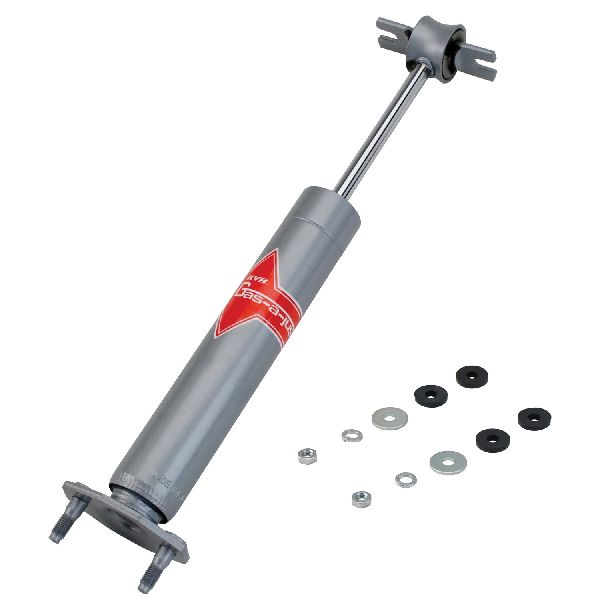
- KYB: A very popular choice among Maverick and Comet owners. The Excel-G (formerly GR-2) series is a great OEM-quality replacement for a comfortable ride. The Gas-a-Just series is a step up, offering a much firmer, more controlled ride that improves handling but can feel stiff to some drivers.
- Sachs: Often an original equipment supplier for many car brands, Sachs provides a quality replacement shock designed to restore the vehicle's original ride characteristics.
Tier 3: Budget-Friendly Options
These brands get the job done at an affordable price. They are a good choice for a daily driver where cost is a primary concern.
- FCS Struts & PRT: These brands offer some of the most affordable shocks for the Comet. They are basic replacements suitable for restoring function on a budget, but may not offer the longevity or ride refinement of higher-tier brands.
| Category | Typical Price Range (Single Shock) | Best For |
|---|---|---|
| Performance (Bilstein, Ridetech) | $80 - $110+ | Handling, spirited driving, performance upgrades |
| Quality OE-Style (KYB, Sachs) | $30 - $60 | Restoring original ride, daily driving, mild upgrade |
| Budget (FCS, PRT) | $27 - $35 | Basic transportation, budget-conscious repairs |
Known Issues, Recalls, and Service Bulletins
There are no active recalls or Technical Service Bulletins (TSBs) from the NHTSA related to the suspension or shock absorbers for the 1971-1977 Mercury Comet. Any issues you experience will likely be due to the age and wear of the original components.
Pro Tip: Replace in Pairs
Always replace shocks in pairs (both front or both rear) to ensure even handling and stability. Replacing just one can lead to unpredictable vehicle behavior.
Frequently Asked Questions (FAQ)
Do I need a spring compressor to change the shocks on my Comet?
No. On the 1971-1977 Comet, the shock absorbers are separate from the springs. You do not need a spring compressor, which makes the job much easier and safer for a DIY mechanic.
Should I get standard or heavy-duty shocks?
This depends on your preference. Standard shocks (like KYB Excel-G or Sachs) will give you a comfortable, factory-like ride. Heavy-duty or performance shocks (like KYB Gas-a-Just or Bilstein) will be stiffer, reducing body roll and improving handling, but the ride will be firmer.
How are the front and rear shocks different on a Comet?
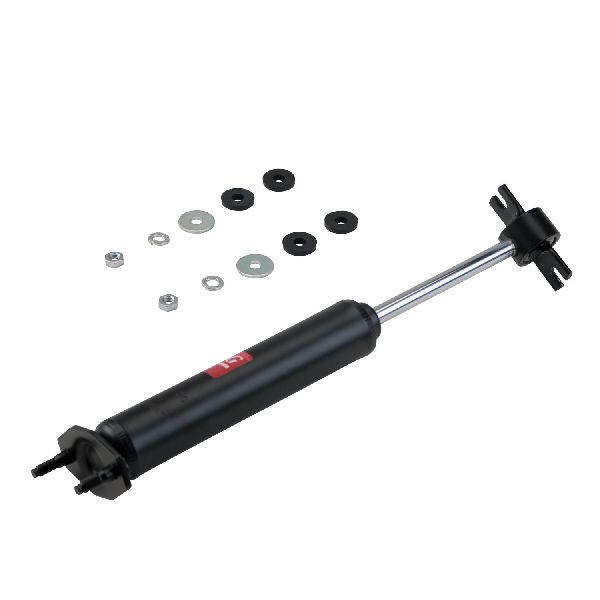
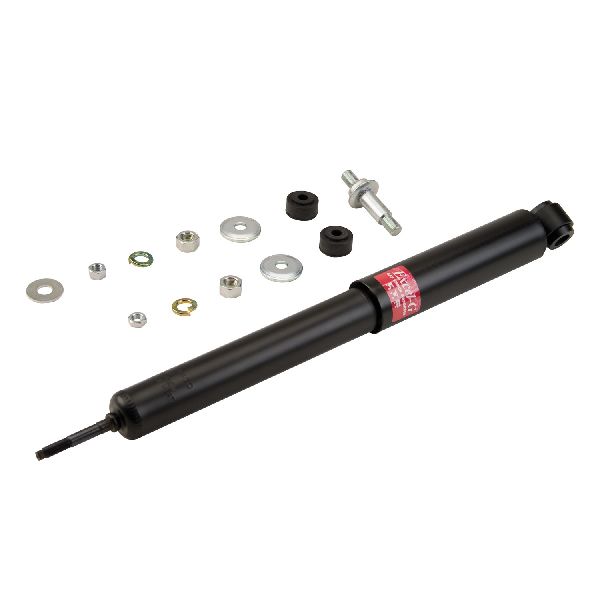
The front and rear shocks have different lengths and mounting points. The front shocks mount to the upper control arm and have a single stud at the top. The rear shocks have eyelet mounts on both ends. You cannot use front shocks on the rear or vice-versa.
My car sags in the back. Will new shocks fix this?
Probably not. While new shocks will improve the ride, they are not designed to hold the car's weight. A sagging rear end on a Comet is almost always caused by worn-out leaf springs. You will likely need to replace the leaf springs to correct the ride height.
Technical Specifications
The 1971-1977 Mercury Comet uses a conventional twin-tube shock absorber design. The front shock mounts via two bolts on the bottom to the upper A-arm and a single stud through the top of the shock tower. The rear shock uses an eyelet-style mount on both the top and bottom.
We Have This Part in Stock


The information in this article is provided for general reference and educational purposes only. Vehicle specifications, procedures, and part compatibility can vary by production date, trim level, and region. Always consult your vehicle's factory service manual and verify part numbers before purchasing or performing repairs. Safety-critical components such as airbags, seat belts, and braking systems should be installed by a qualified professional.