

Oldsmobile Custom Cruiser Alternator Replacement Guide (1971-1985)
Keep your classic wagon's lights bright and battery charged by choosing the right new alternator.
- Verify your engine and year to ensure correct fitment, especially the 'clock position' of the electrical plug.
- For a stock vehicle, a standard-output alternator (63-78 amps) is sufficient; consider a high-output unit only if you've added modern electronics.
- Symptoms like dimming lights, a battery warning light, or a whining noise are clear indicators that your alternator needs inspection.
- Replacement is a simple DIY job for most owners, typically taking about an hour with basic tools.
Signs of a Failing Alternator
When your Custom Cruiser's alternator starts to fail, it will give you several warning signs. Paying attention to these can prevent you from getting stranded.
- Dim or Flickering Lights: One of the most common symptoms is seeing your headlights, dashboard lights, or interior lights dim and flicker. This happens because the alternator isn't producing a consistent voltage to power them properly.
- Battery Warning Light: A warning light on your dashboard, often shaped like a battery, indicates a problem in the charging system. This light means the alternator's output has dropped, and it's not charging the battery correctly.
- Weak or Dead Battery: If your battery keeps dying and you need frequent jump-starts, the alternator is the likely culprit. It's not recharging the battery as you drive, leaving it drained.
- Strange Noises: A whining or growling sound from the front of the engine that changes with engine speed often points to bad bearings inside the alternator. A squealing noise could be a loose belt that's slipping on the alternator pulley.
- Electrical Accessory Problems: Power windows that move slowly, a radio that cuts out, or other electrical issues can be a sign the alternator isn't providing enough power for everything.
Choosing the Right Aftermarket Alternator
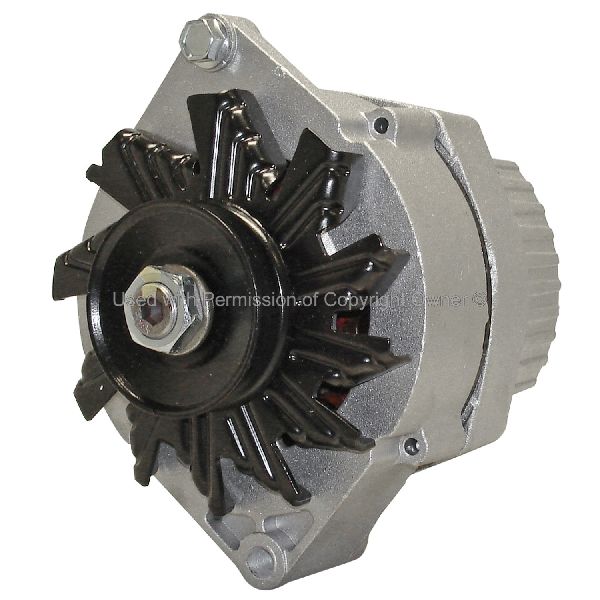
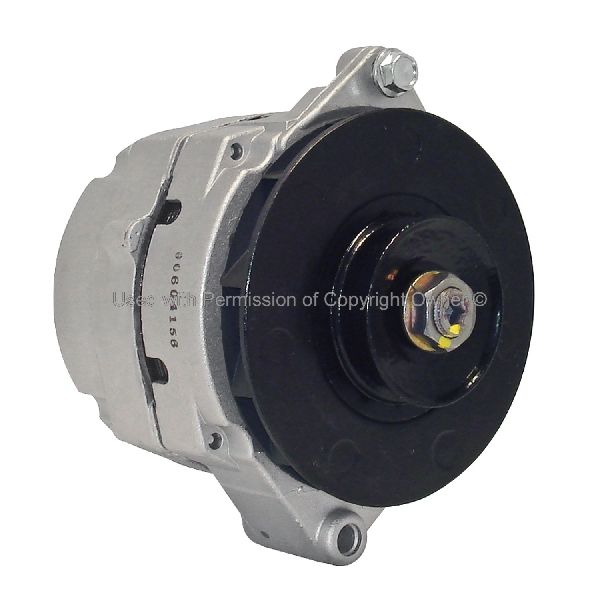
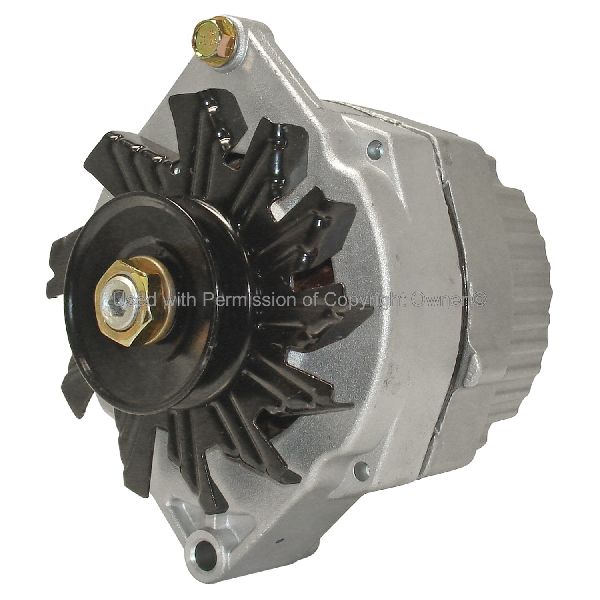
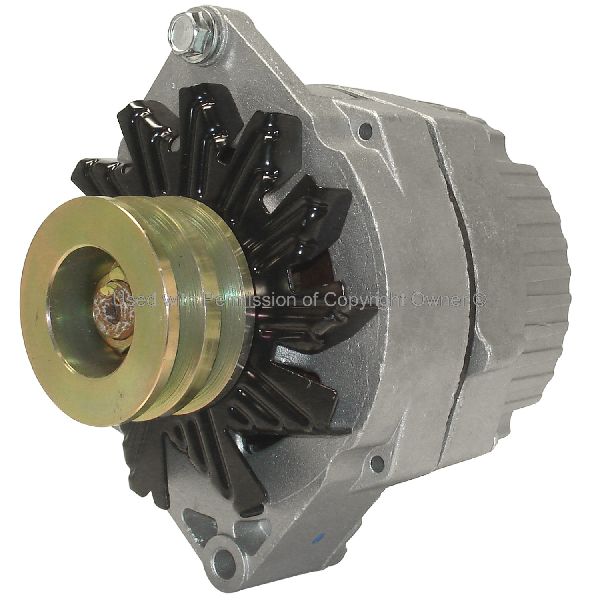
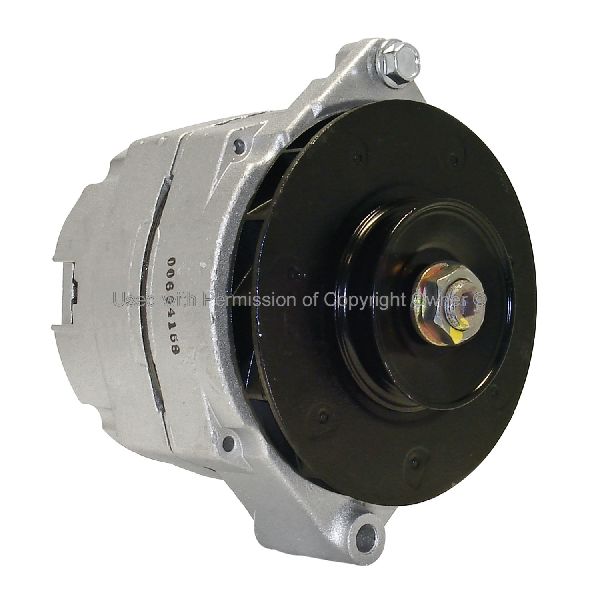
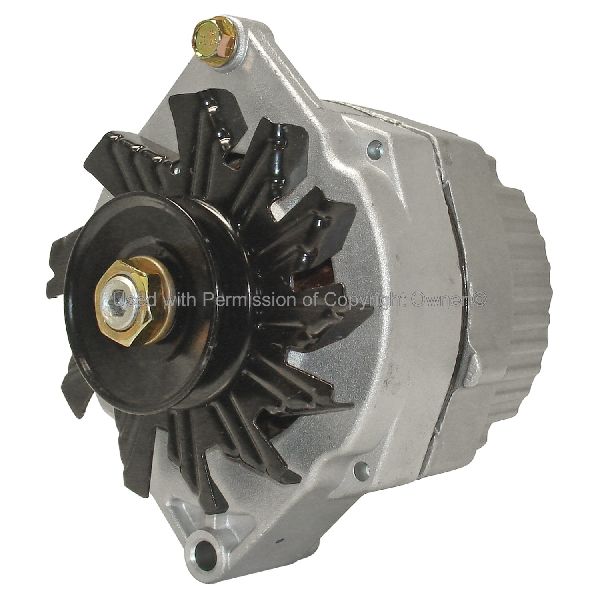
For a classic vehicle like the 1971-1985 Custom Cruiser, new OEM parts are generally not available. Aftermarket alternators are the standard replacement and offer a good mix of quality and value. The most common alternator used on these GM vehicles was the Delco-Remy 10SI or the later 12SI, which are widely available from aftermarket brands. Here’s a breakdown of available brands to help you choose.
Aftermarket Brand Tiers
| Tier | Brands | Best For |
|---|---|---|
| Premium / High-Output | Powermaster, Proform, Bosch | Owners who have added electrical accessories like powerful sound systems, extra lighting, or electric fans. Powermaster is known for high-amperage units made in the USA. Bosch is a trusted name with a long history, though experiences can be mixed. |
| OEM-Quality Replacement | ACDelco, Remy | A stock, daily-driven Custom Cruiser. ACDelco is the original GM parts brand, and their aftermarket parts are a natural choice for GM vehicles. Remy (formerly Delco-Remy) also has a long history of producing quality electrical parts. |
| Value Options | WAI Global, BBB Industries, MPA | Budget-conscious repairs where getting the car back on the road is the main priority. These brands offer a cost-effective solution and are widely available. WAI Global is noted as a solid choice for the price, though some users report minor durability concerns over the long term. |
Pro Tip: Check Your Amperage Needs. Most stock Custom Cruisers will be perfectly fine with a standard output alternator (around 63-78 amps). However, if you have added modern electronics, consider a high-output alternator (100 amps or more) to handle the extra load.
Known Issues, Recalls, and Bulletins
For vehicles of this age, specific alternator-related recalls or Technical Service Bulletins (TSBs) are virtually nonexistent. Searches of the National Highway Traffic Safety Administration (NHTSA) database show no open recalls for the alternator on the 1971-1985 Oldsmobile Custom Cruiser. Most issues you will encounter are related to normal wear and tear over several decades. Always ensure you have a good ground connection from the alternator to the engine block, as a poor ground can cause charging problems.
Frequently Asked Questions (FAQ)
Can I replace the alternator myself?
Yes, on these older GM vehicles, the alternator is typically easy to access at the top of the engine. The process involves disconnecting the battery, loosening the belt tensioner, removing the belt from the pulley, unbolting the old alternator, and then reversing the process for installation. It's a straightforward job for a DIY mechanic with basic tools.
What's the difference between an internally and externally regulated alternator?
Most alternators on these Custom Cruisers, especially from the mid-70s onward, use an internal voltage regulator. This means the component that controls the charging voltage is built into the alternator. Older systems sometimes had an external regulator mounted elsewhere in the engine bay. When buying a replacement, it will almost always be an internally regulated unit, which simplifies wiring.
How do I make sure I buy the right alternator?
The most important factors are the year, engine size, and the "clock position" of the electrical plug. The clock position refers to where the plug is located on the back of the alternator housing (e.g., 3 o'clock, 9 o'clock). Match your old alternator's plug position to the new one to ensure it fits correctly. Also, confirm whether your car uses a V-belt or a later serpentine belt, as the pulleys are different.
Should I buy a new or remanufactured alternator?
The prompt specifies new aftermarket parts. While remanufactured units are common for this vehicle, new aftermarket alternators from brands like WAI Global, Powermaster, and some ACDelco lines offer the advantage of all-new components and no core charge. For a classic car, a new part can provide extra peace of mind.
Technical Specifications
OEM Part Numbers: 1100200 1100217 1100250 1101157 1105060 1105521 10463059
Commonly uses Delco-Remy 10SI or 12SI style alternators. Standard output ranges from 63 to 78 amps. Features an internal voltage regulator. Fitment is determined by V-belt or serpentine pulley and the 'clock position' of the rear electrical connector (e.g., 3 o'clock).
We Have This Part in Stock

The information in this article is provided for general reference and educational purposes only. Vehicle specifications, procedures, and part compatibility can vary by production date, trim level, and region. Always consult your vehicle's factory service manual and verify part numbers before purchasing or performing repairs. Safety-critical components such as airbags, seat belts, and braking systems should be installed by a qualified professional.